    Ingredient Profile

    River Silt fragrance note

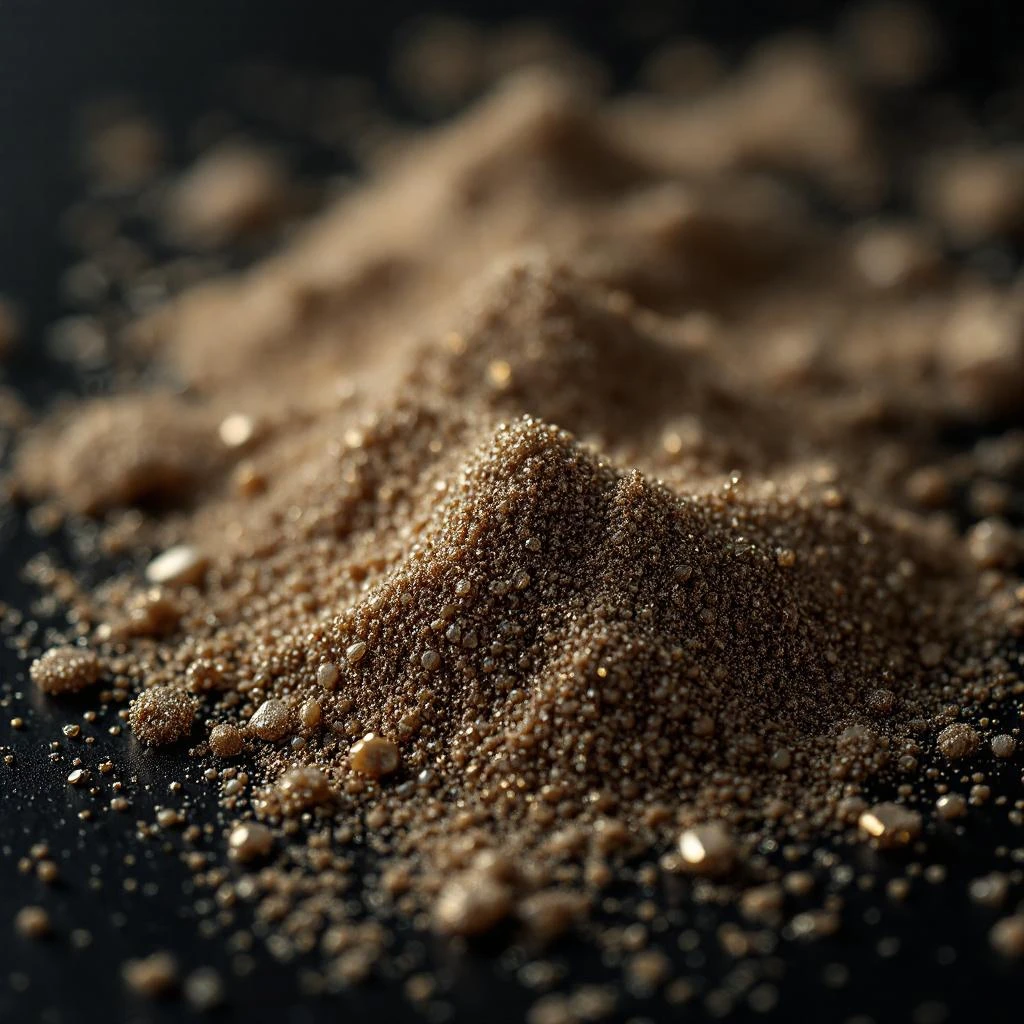
    River silt captures the cool, damp earth of flowing waters, delivering a mineral note that grounds and clarifies modern fragrances.

    France

    1

    Fragrances

    Fragrances featuring River Silt

    Character

    The Story of River Silt

    River silt captures the cool, damp earth of flowing waters, delivering a mineral note that grounds and clarifies modern fragrances.

    Heritage

    Mineral aromatics have traced a long path from ancient rituals to contemporary niche perfumery. Egyptian priests mixed natron, a naturally occurring river salt, with fragrant oils to create incense that soothed both body and spirit. Medieval European apothecaries recorded the use of river mud in ointments designed to mask unpleasant odors in market stalls. The modern concept of river silt as a distinct fragrance note emerged in the late 1990s when a French perfumer experimented with riverbed sediments from the Loire Valley, seeking an authentic wet‑earth character. The experiment succeeded, and the note entered the IFRA 2020 register under natural mineral ingredients. Since then, river silt has appeared in limited‑edition releases, often paired with aquatic and woody accords to evoke the sensation of standing at a river’s edge at dawn.

    At a Glance

    Fragrances

    1

    Feature this note

    Origin

    France

    Primary source region

    Ingredient Details

    Extraction

    Solvent extraction

    Used Parts

    Riverbed sediment

    Did You Know

    "Archaeologists uncovered natron residues in 3,000‑year‑old Egyptian perfume vessels, an early hint of river‑derived mineral aromatics."

    Production

    How River Silt Is Made

    Harvesters travel to slow‑moving rivers during low‑water periods and scoop the top centimeter of sediment with stainless steel trowels. The raw silt is spread on clean tarps and air‑dried for 48 hours to reduce moisture and inhibit microbial growth. Once dry, the material passes through a stainless steel sieve to remove stones and organic debris. Technicians then soak the sifted silt in a food‑grade ethanol solvent, allowing volatile mineral compounds to dissolve. After a 24‑hour maceration, the mixture is filtered under low pressure, and the solvent is removed by rotary evaporation at 40 °C, yielding a concentrated river‑silt extract. The extract undergoes gas‑chromatography‑mass‑spectrometry to verify the presence of key mineral aromatics and to screen for heavy metals. Final batches are stored in amber glass bottles at 15 °C until they are blended into perfume formulas.

    Provenance

    France

    France47.9°N, 1.9°E

    About River Silt