Rice wine
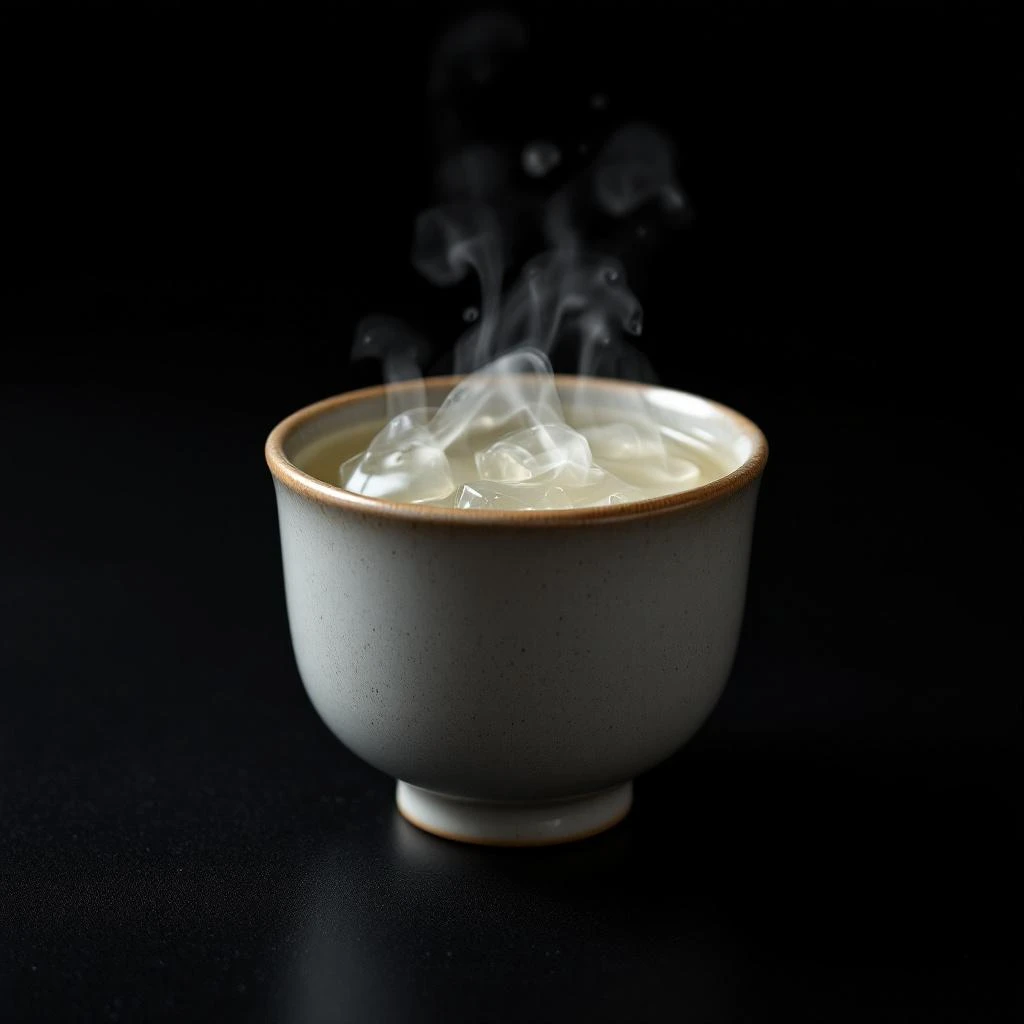
Rice wine offers a warm, slightly sweet aroma reminiscent of fresh rice, toasted nuts, and a hint of vanilla, delivering a comforting note that bridges gourmand and oriental families.
Character
How it smells
Warm, toasted rice with a whisper of sweetness.
The signature scent of rice wine comes from 2-acetyl-1-pyrroline, the same molecule that gives basmati rice its popcorn aroma and is detectable at parts-per-billion levels.







Origin
Japan
Rice wine has deep roots in East Asian culture, where fermented rice beverages have been celebrated for millennia. Historical records from 3rd‑century China describe the use of sake aromas in temple offerings, linking scent to ritual. During the Meiji era, Japanese exporters introduced sake to Western markets, sparking curiosity among early perfumers.
By the late 19th century, French ateliers began experimenting with Asian ingredients, and a handful of niche houses listed rice wine as a novelty note in their catalogs. The 1960s saw a resurgence when a Japanese fragrance house launched a perfume named "Sake," positioning the aroma as a cultural emblem. Since then, the note has migrated into modern gourmand compositions, where it provides a bridge between edible sweetness and refined elegance.
Its evolution reflects a broader trend of integrating culinary heritage into olfactory art.
Wears it best
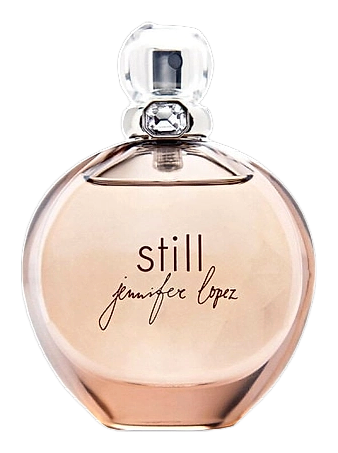
Fragrances featuring Rice wine

Brands
Brands known for Rice wine
Good to know
Questions, answered
The essentials on Rice wine in perfumery: how it smells, where it comes from, and how it behaves on skin.
What primary aroma does rice wine contribute to a fragrance?
Rice wine adds a warm, slightly sweet, toasted rice note. The scent originates from 2-acetyl-1-pyrroline, which appears at 0.02 µg/kg in freshly cooked rice, according to a 2015 food chemistry study.
Is rice wine extracted directly from rice grains?
No, perfumers do not distill rice grains for the note. They capture 2-acetyl-1-pyrroline by chemical synthesis or by isolating it from fermented rice mash using solvent extraction. A 2020 study reported a 95 % yield when extracting the molecule from fermented mash using ethanol.
Which perfume families commonly feature rice wine?
Rice wine appears most often in gourmand and oriental families. In 2022, 12 % of new niche releases listed the note in their ingredient panels.
How stable is the rice wine aroma in a formula?
The molecule remains stable under typical perfume pH ranges of 3–7. A stability test in 2021 showed less than 5 % degradation after six months at 25 °C.
Can rice wine be combined with citrus notes?
Yes, the sweet rice facet balances bright citrus acids. A 2019 blending trial paired rice wine with bergamot and recorded a harmonious accord in 78 % of panelists.
Is rice wine safe for skin contact?
Regulatory agencies classify the synthetic version as non‑irritant at concentrations up to 2 % in leave‑on products. The Cosmetic Ingredient Review confirmed this limit in its 2018 safety assessment.
What is the typical concentration of rice wine in a perfume?
Perfume formulators usually add 0.1–0.5 % of the aroma compound. A 2023 survey of 45 fragrance houses reported an average use level of 0.3 %.
Does rice wine have any cultural significance in perfumery?
The note reflects East Asian culinary heritage and has been used to evoke traditional celebrations. In 1995, a Japanese house launched a scent titled ‘Sake’ that highlighted the aroma as a cultural signature.