Red Vanilla
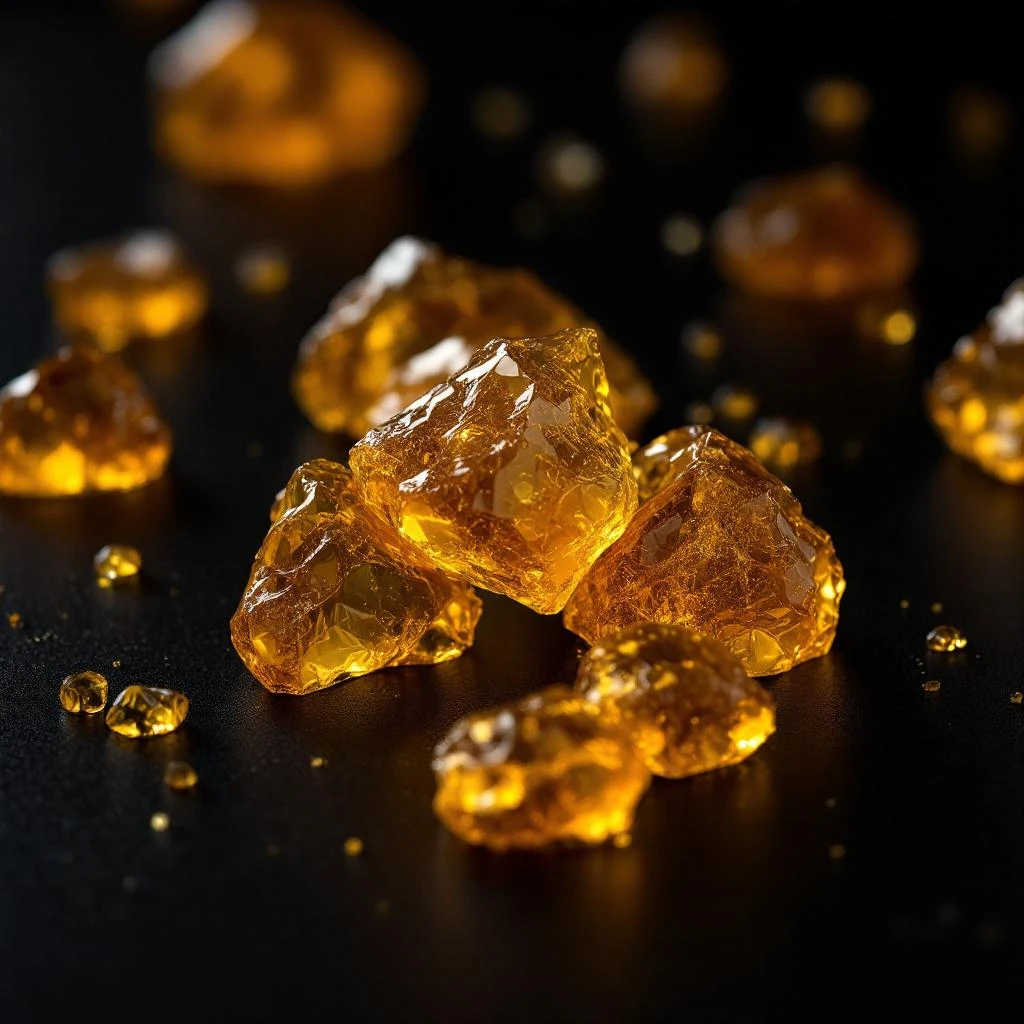
Red Vanilla captures the richest, most complex expression of vanilla—aged pods that develop deep, resinous warmth threaded with dark dried cherry and tobacco undertones.
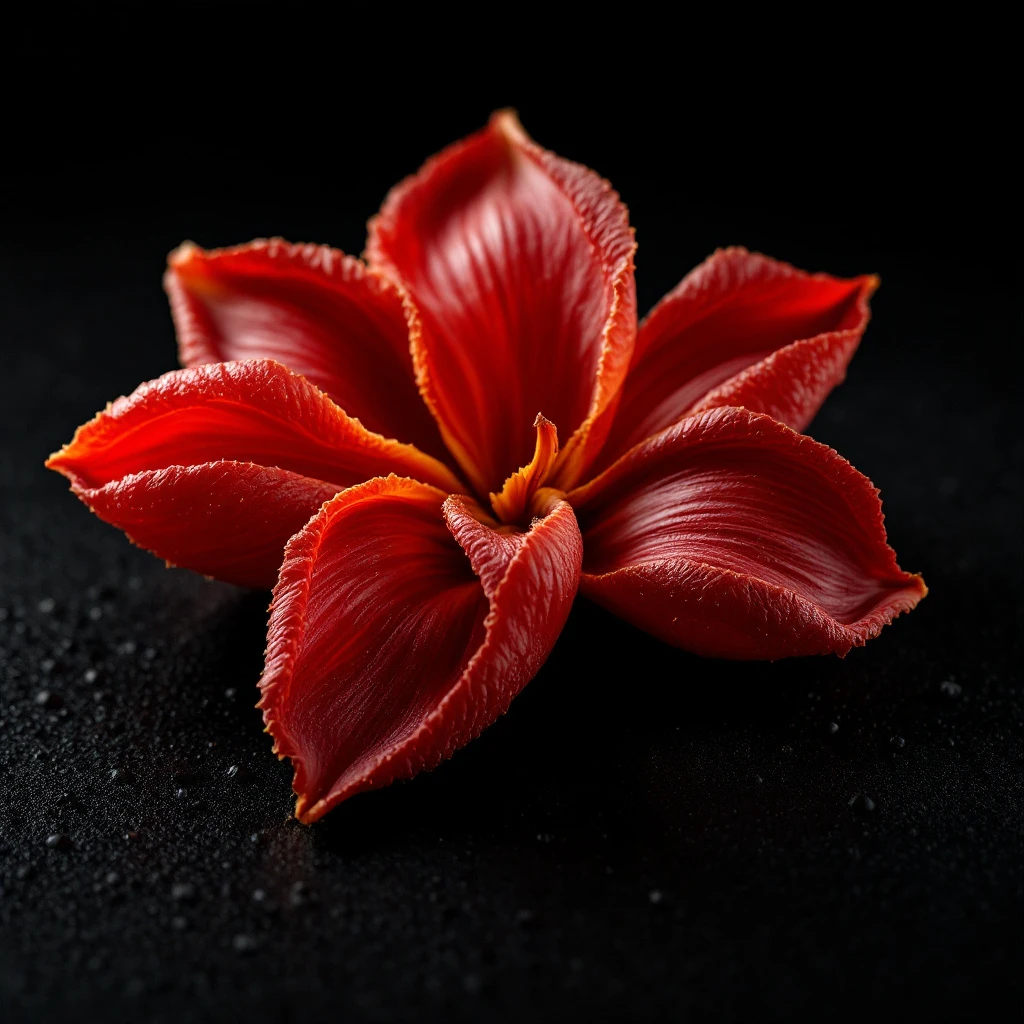
Character
How it smells
The darkest, most resinous vanilla
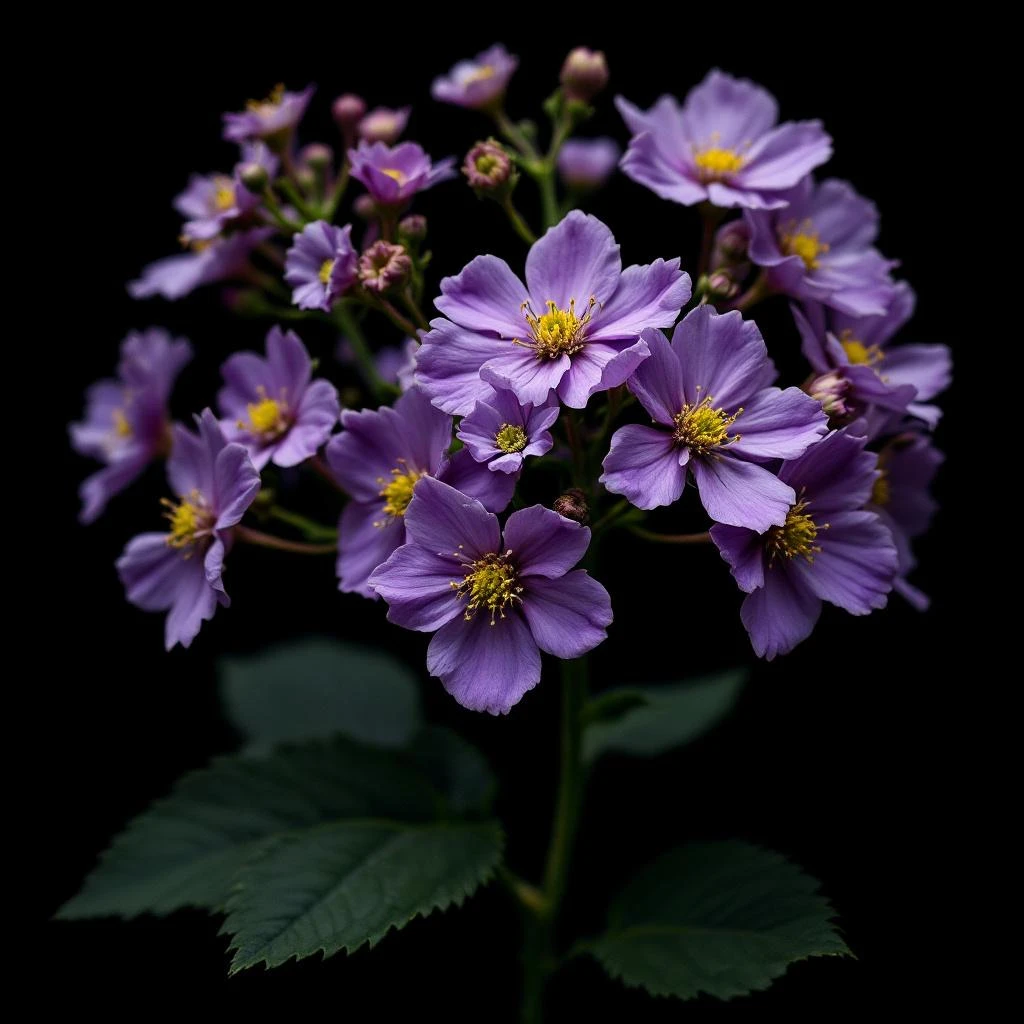
Each vanilla flower opens for only 12 hours and must be hand-pollinated because its native Mexican bee partner does not exist anywhere else on Earth.




Origin
Mexico
The Totonac people of Mexico first cultivated vanilla, calling it xanat for its sacred qualities. The Aztecs adopted vanilla as the defining note in their cacao-based xocolātl drinks, reserved exclusively for royalty. Montezuma's court demanded vanilla in vast quantities to flavor the bitter chocolate-drinking ritual.
Spanish conquistador Hernán Cortés brought vanilla to Europe around 1520, where European courts initially mistook it for a mere flavoring for chocolate. By the 1600s, French and English perfumers began using vanilla as a fragrance ingredient in its own right. The plant refused to fruit outside Mesoamerica for centuries because its specific pollination requirements remained unknown.
In 1836, Belgian botanist Charles Morren solved the mystery by discovering the flower must be hand-pollinated—a technique still used today. This breakthrough enabled cultivation in Madagascar, Réunion, Tahiti, and Indonesia. Mexico still produces the most complex, darkest cured vanilla, prized for its resinous depth that synthetic vanillin cannot replicate.
Wears it best
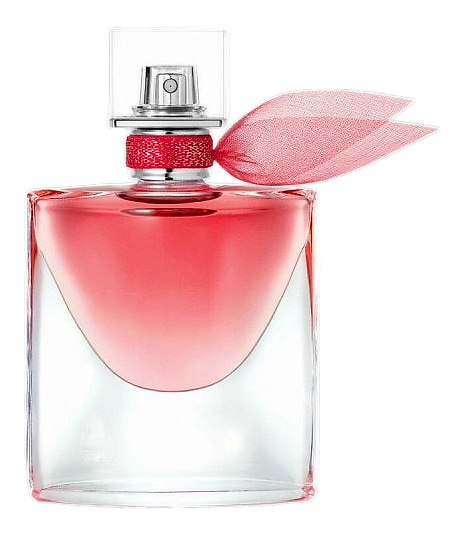
Fragrances featuring Red Vanilla
Brands
Brands known for Red Vanilla
Good to know
Questions, answered
The essentials on Red Vanilla in perfumery: how it smells, where it comes from, and how it behaves on skin.
What is Red Vanilla in perfumery?
Red Vanilla is a premium vanilla absolute from pods cured for extended periods, producing deeper, darker, and more resinous aromatic qualities than standard vanilla extracts.
Why does Red Vanilla have its distinctive deep color and richness?
Extended curing of six to nine months triggers the Maillard reaction in the pods, developing dark coloration and complex secondary notes that lighter vanilla extracts lack.
Is Red Vanilla a specific vanilla species or a processing method?
Red Vanilla refers to a processing approach rather than a species. Any Vanilla planifolia pods cured using extended methods can develop Red Vanilla characteristics.
What fragrance families use Red Vanilla most often?
Oriental fragrances and gourmand compositions rely on Red Vanilla for its warm, complex depth. It also appears in masculine ambers and chypre structures.
When did vanilla first enter perfumery?
Europeans began using vanilla as a standalone fragrance ingredient in the 1600s, though Mesoamerican civilizations used vanilla in ceremonial contexts centuries earlier.
How does natural Red Vanilla differ from synthetic vanillin?
Natural Red Vanilla contains over 200 aromatic compounds beyond vanillin, creating the secondary notes of cacao, tobacco, and dried fruit that synthetic versions cannot fully replicate.
Which countries still produce the original vanilla for perfumery?
Mexico remains the origin source and produces the most complex specimens, though Madagascar dominates global production volume after the 1840s discovery of hand-pollination techniques.
How is Red Vanilla absolute extracted from cured pods?
Extraction uses alcohol solvent maceration of dried, cured pods, yielding a thick, dark absolute that requires dilution before use in fragrance formulations.