Red Bean Paste
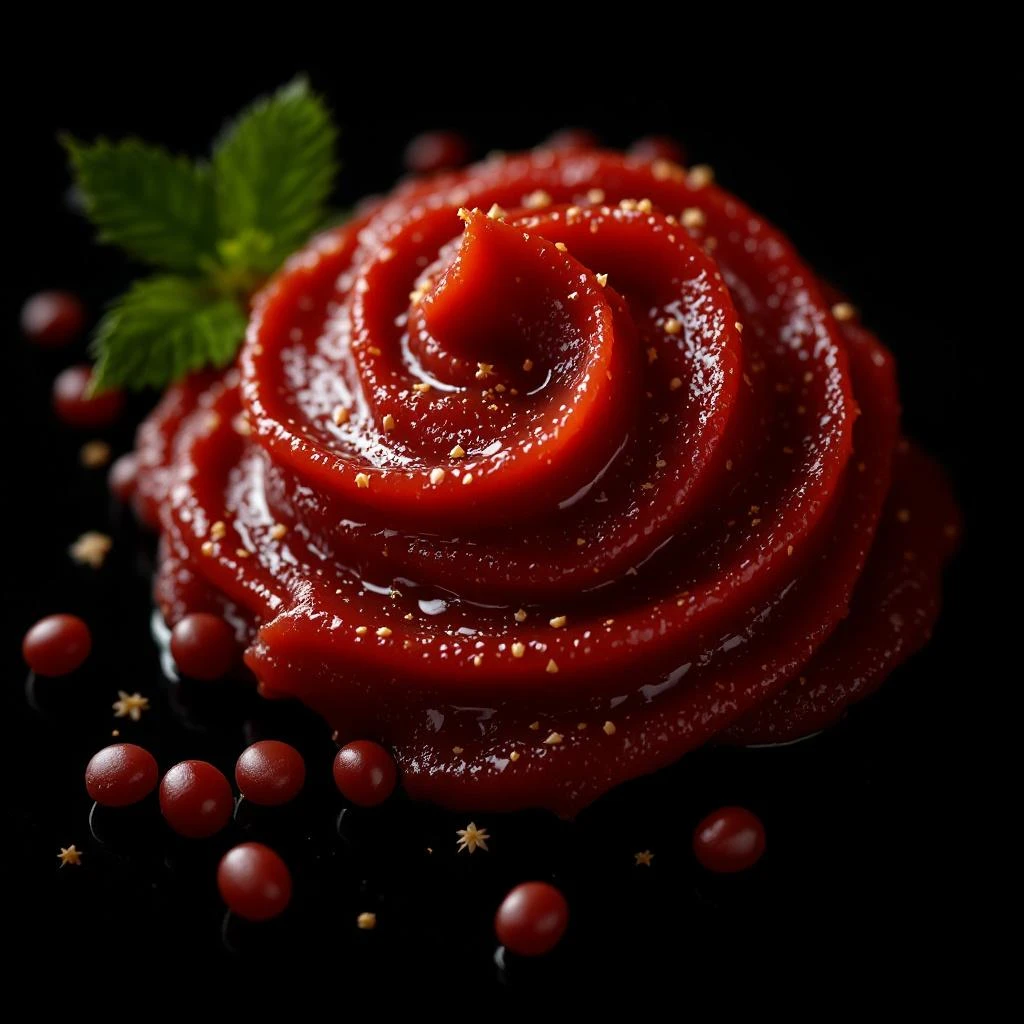
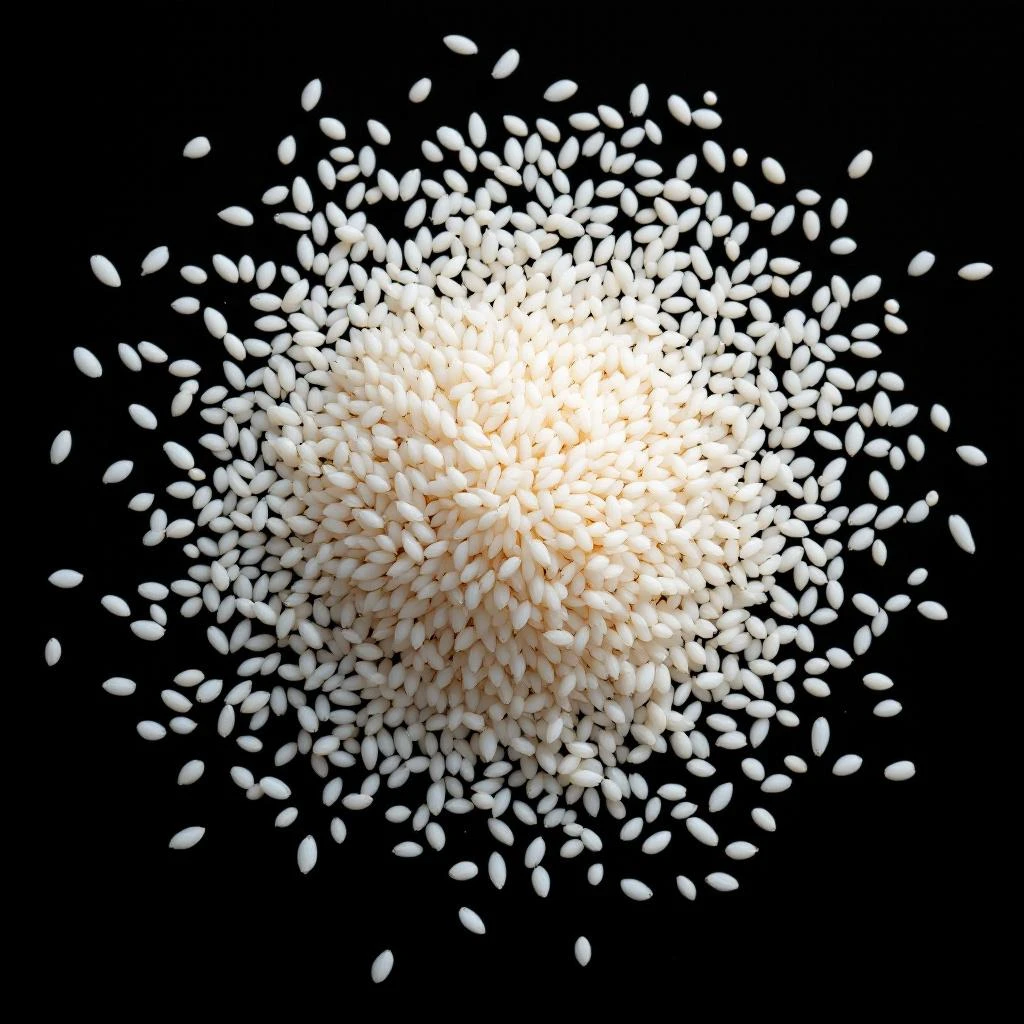
A warm, foody note drawn from lactones and natural aromatics, red bean paste evokes the sweet, slightly nutty character of adzuki beans simmered into a dense, velvety paste. The note brings comfort and nostalgia to fragrance compositions.
Character
How it smells
Sweet, nutty, and deeply nostalgic.
Despite its widespread culinary use, red bean paste in perfumery exists only as a synthetically constructed accord. No natural extraction from the bean has achieved commercial viability.




Origin
Japan
Red bean paste, known as an in Japan and dou sha in China, traces its roots to the Heian period when Chinese travelers first brought steamed bun recipes to Japan. The original preparations used ivy sap as a sweetener, but cooking with sugar began only after Dutch traders established regular sugar imports during the Muromachi period. DNA evidence confirms that adzuki beans were first cultivated in Japan, where they later became a cornerstone of wagashi confectionery.
The beans spread to China, where they remain integral to dim sum culture. Beyond cuisine, red beans carry symbolic weight in East Asian culture. An ancient poem by Wang Wei references the red bean as a metaphor for lovers' yearning, embedding the ingredient deeply in the literary imagination.
Today, perfumers draw on this rich cultural resonance to craft fragrances that evoke warmth, heritage, and domestic comfort.
Wears it best
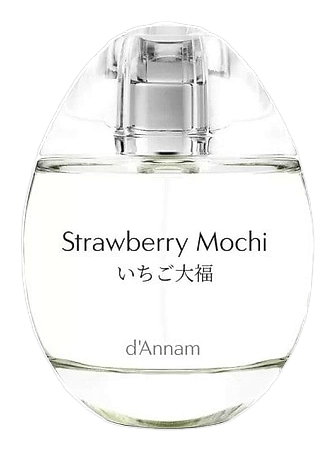
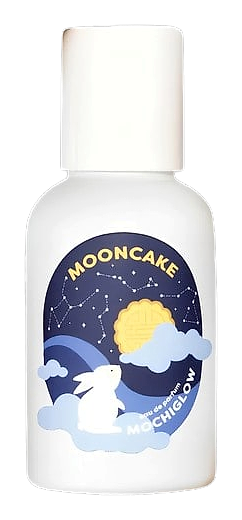
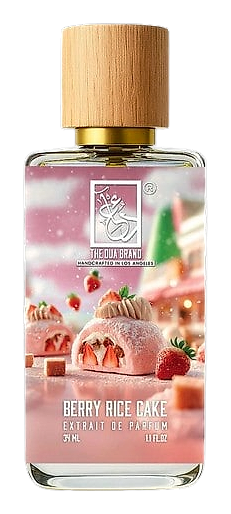
Fragrances featuring Red Bean Paste
Brands
Brands known for Red Bean Paste
Good to know
Questions, answered
The essentials on Red Bean Paste in perfumery: how it smells, where it comes from, and how it behaves on skin.
Is red bean paste extracted from actual beans for perfume?
No, perfumers construct red bean paste as a synthetic accord. No commercial extraction method captures the scent of real bean paste viable for fragrance use.
What gives red bean paste its characteristic food-like smell in perfume?
Lactones, especially gamma-decalactone, drive the creamy sweetness. Food-grade aromatics like vanillin and ethyl maltol build the sugary warmth that approximates real bean paste.
When did red bean paste become a perfume note?
The note emerged as perfumers began exploring foody, edible accords in the late 20th century, gaining traction in the 2010s indie fragrance movement that favored unusual gourmand notes.
What fragrances feature red bean paste as a prominent note?
A small number of niche and indie houses have used the accord. Several Japanese-inspired fragrances by independent perfumers include it for its cultural resonance and comfort.
Does red bean paste smell savory or sweet?
The perfume accord leans sweet and nutty. It evokes the dense, sweetened paste used in wagashi, not the slightly salted bean preparations sometimes found in savory dishes.
How long has red bean paste been used in East Asian cooking?
Cooks began using bean paste during the Heian period. Sweetened versions appeared around 1333, after Dutch traders introduced regular sugar imports to Japan.
Can I smell authentic red bean paste in perfume?
The synthetic accord approximates but does not replicate the real food perfectly. It captures the sweet, starchy warmth while omitting nuances that only real bean paste contains.
Where did adzuki beans originate?
DNA analysis confirms adzuki beans were first domesticated in Japan around 3000 BCE, later spreading and diversifying across China and East Asia.