Character
The Story of Recursive Rose
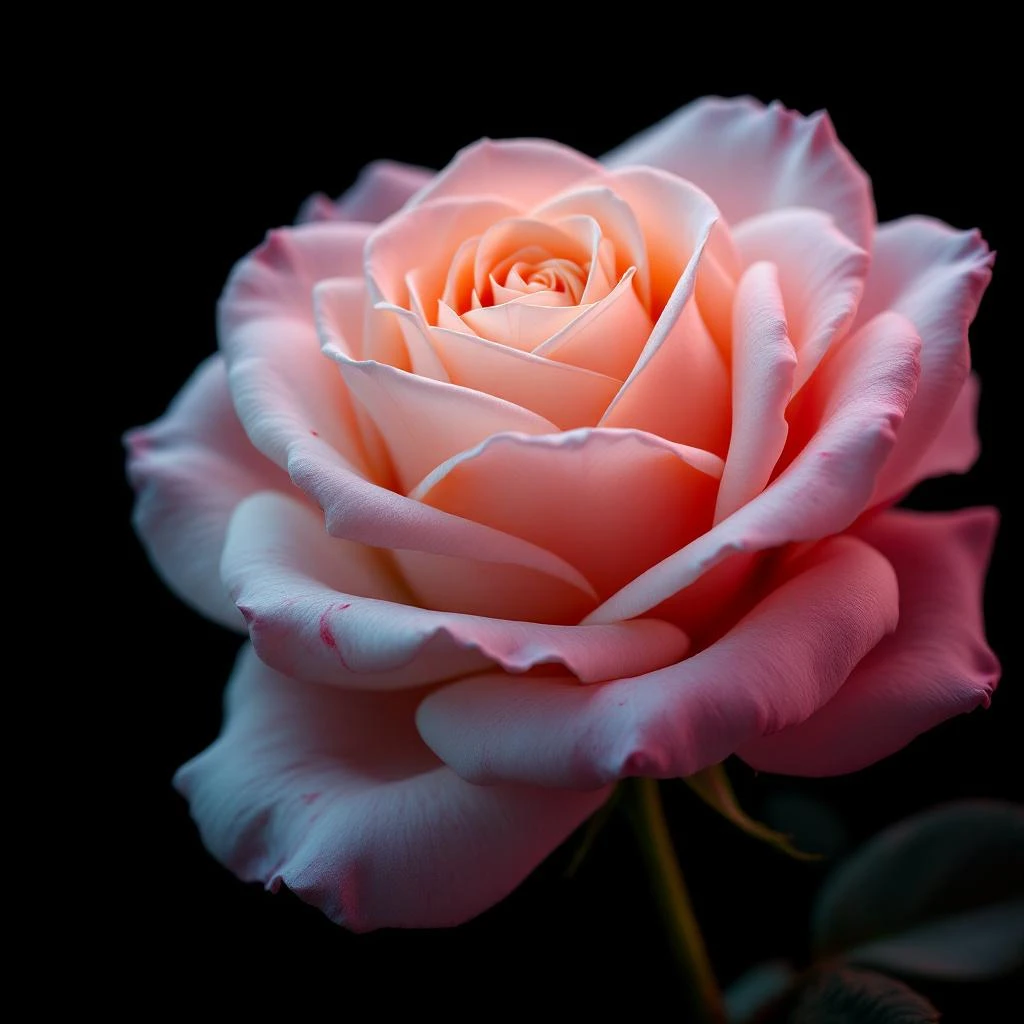
Recursive Rose captures the rose's complete aromatic journey—from fresh-cut petals to warm honeyed depths—in a single, evolving note. This modern interpretation layers multiple rose facets to create depth that reveals itself over time.
Heritage
Rose has held central importance in perfumery since ancient civilizations first discovered its intoxicating fragrance. The Persian chemist Ibn Sina revolutionized rose extraction in the 11th century by introducing steam distillation, a technique he first tested on roses, replacing earlier methods of crushing petals in oils. Persian and Islamic cultures elevated rose cultivation to an art form, with the Damask rose becoming a cornerstone of Middle Eastern perfumery. During the Renaissance, professional perfumers in Europe refined rose-based formulations for royal courts, establishing the rose as a marker of luxury and refinement. The 19th century saw rose take center stage in modern perfumery, with Jean-François Houbigant's 1840 creation of "Eau de Cologne à la Rose" setting standards that continue today. Modern perfumers now combine traditional extraction techniques with contemporary chemistry to create rose expressions like Recursive Rose that honor this ancient heritage while meeting contemporary scent preferences.
At a Glance
1
Feature this note
France
Primary source region
Ingredient Details
Steam distillation with enfleurage blend
Fresh flower petals
Did You Know
"It takes approximately 10,000 rose blossoms to produce just one ounce of rose absolute."