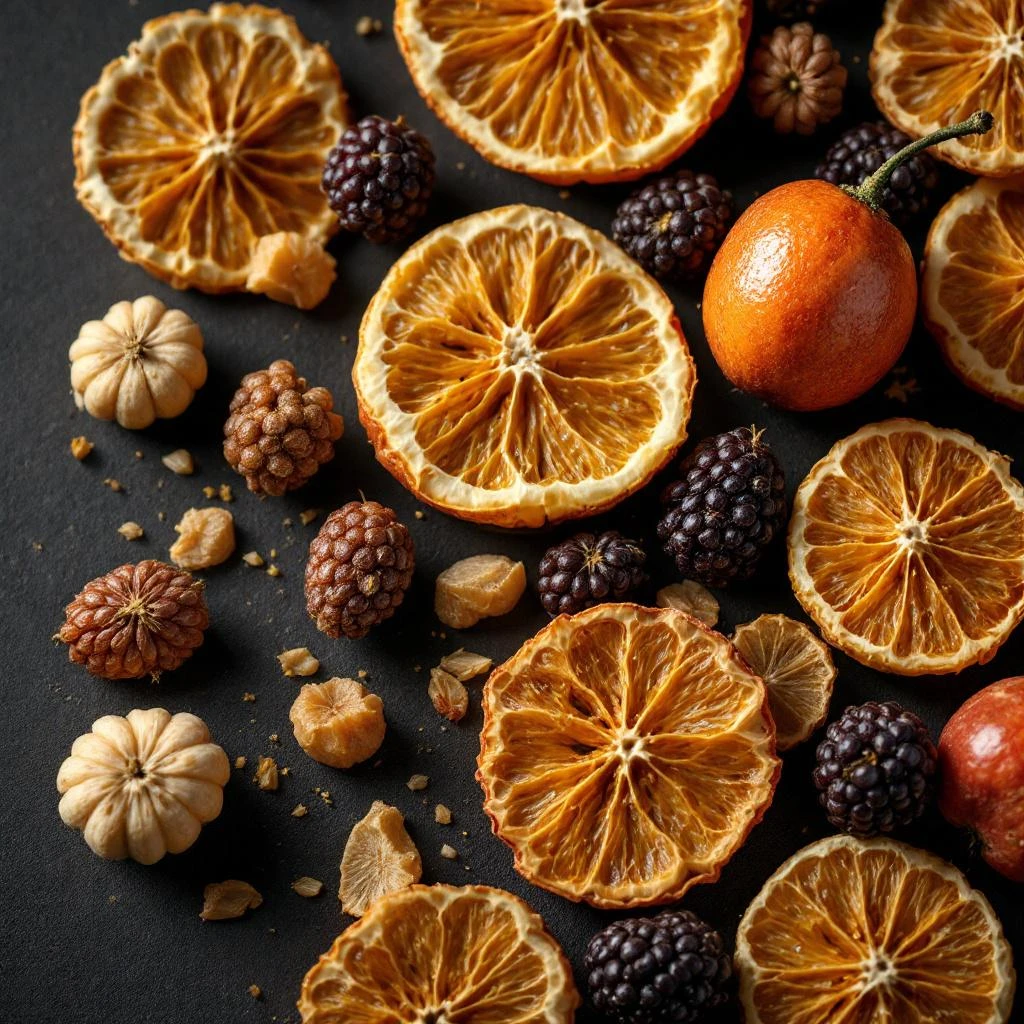
Ravensara
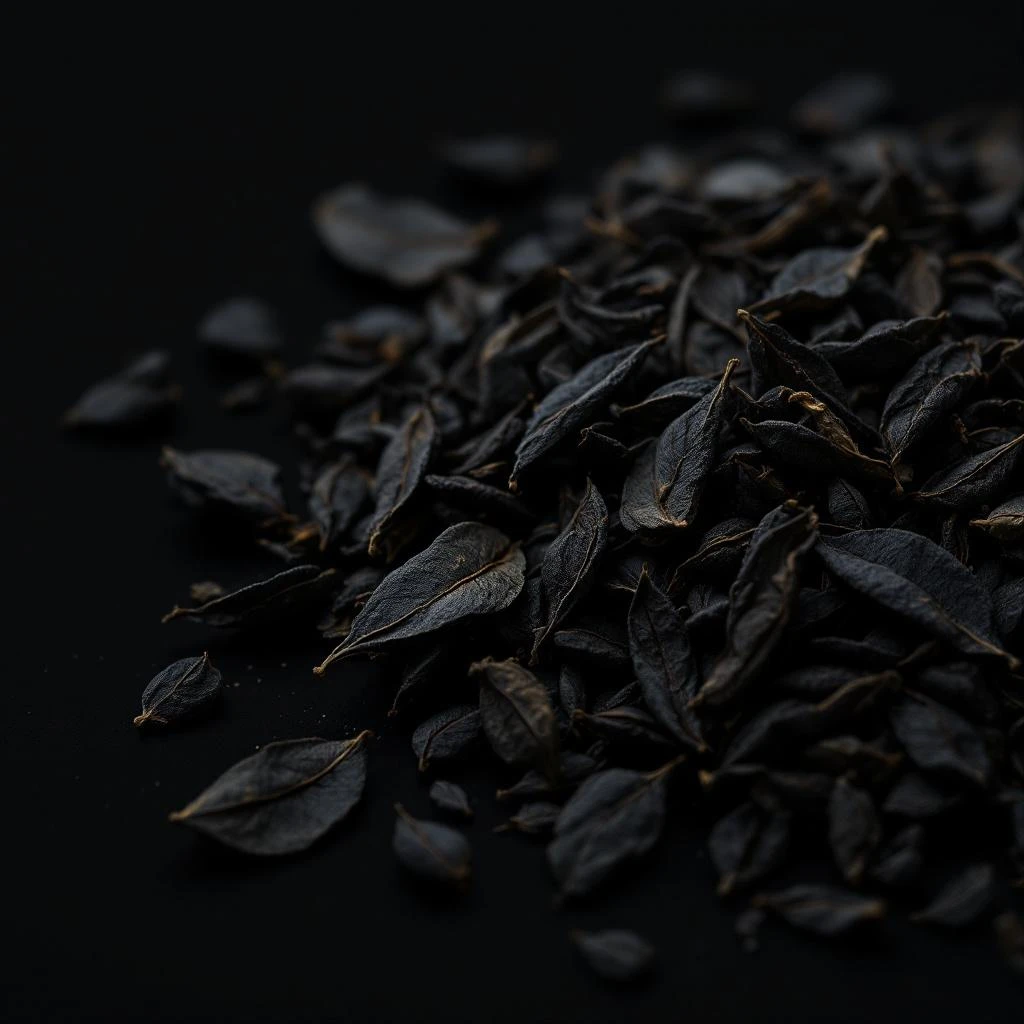
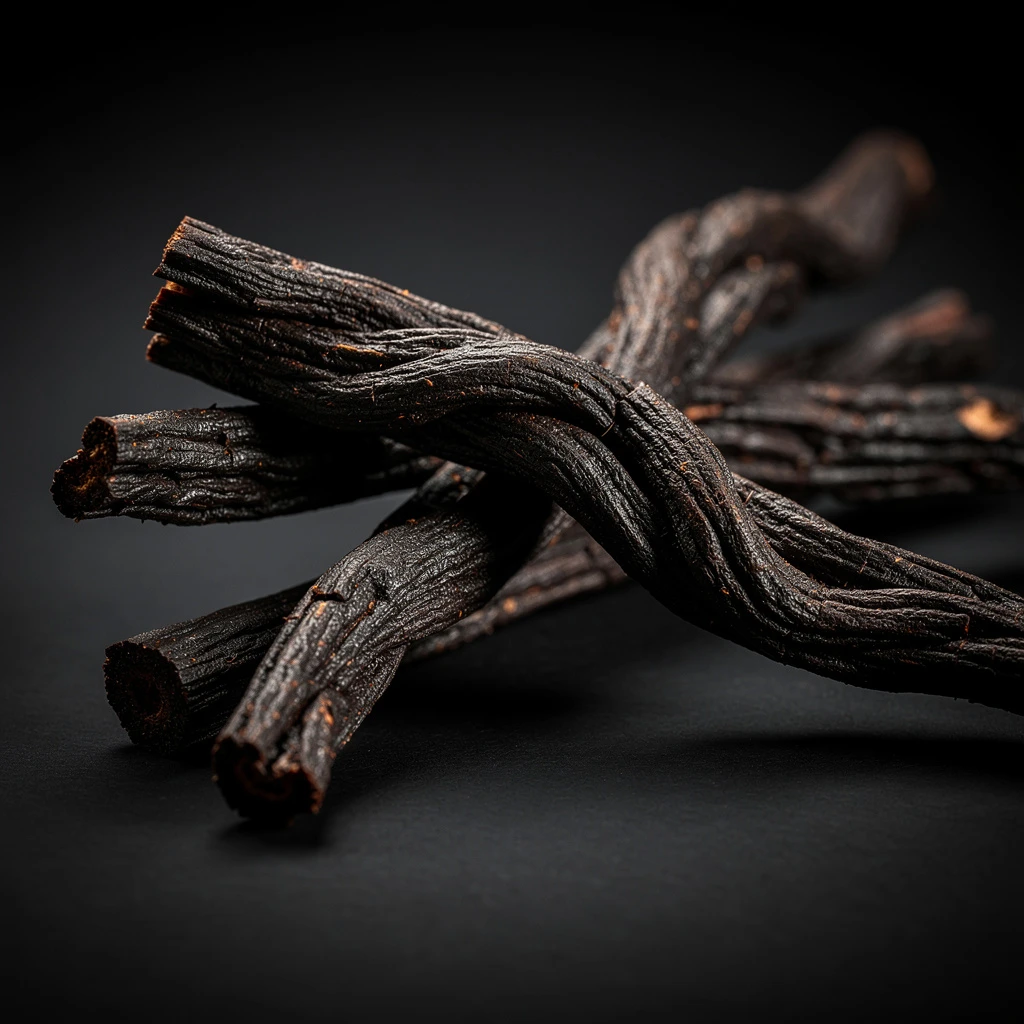
Ravensara delivers a warm, herbaceous aroma that whispers of tropical rainforests, blending gentle spice with a crisp, green edge that brightens any blend.
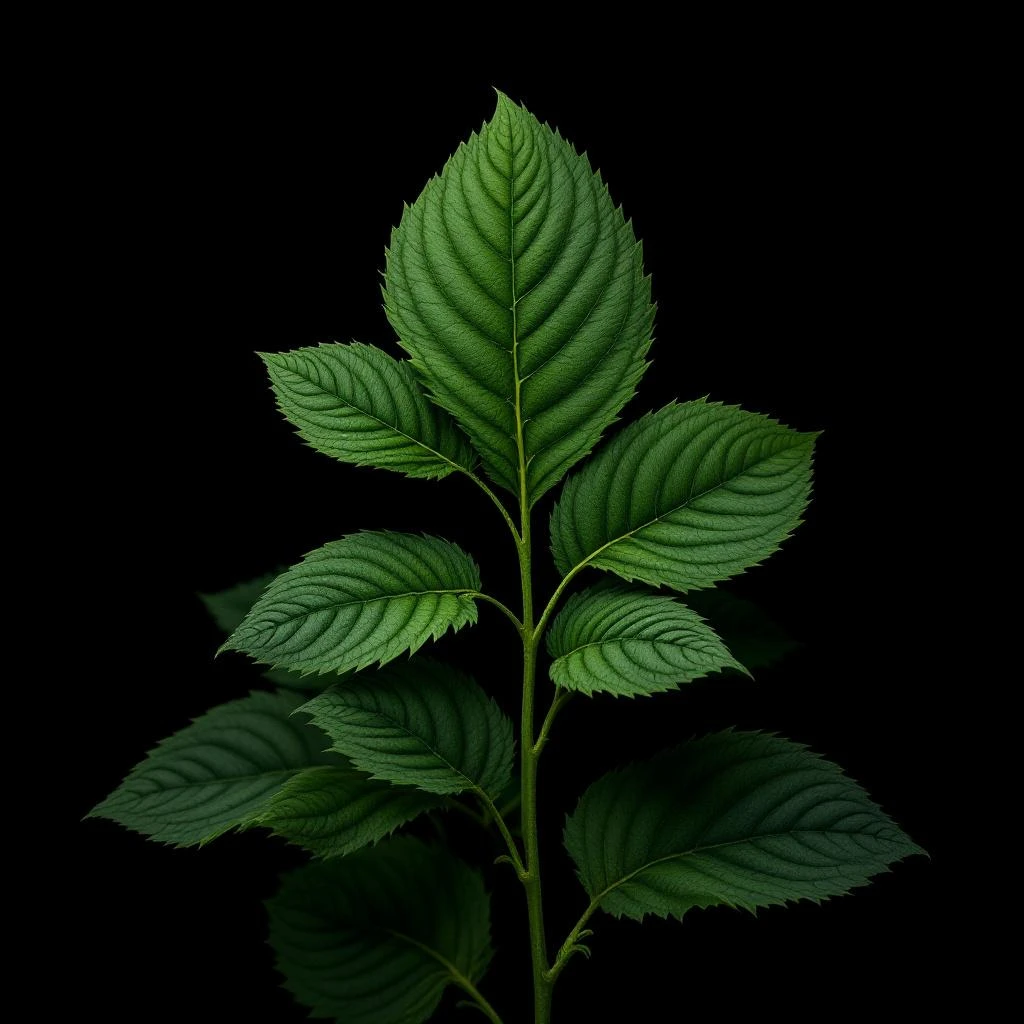
Character
How it smells
A warm, green spice from Madagascar’s rain‑kissed leaves.
Ravensara oil is one of the few essential oils harvested from leaves rather than wood, and Madagascar’s 2021 harvest yielded enough for over 2,000 perfume formulas worldwide.

Origin
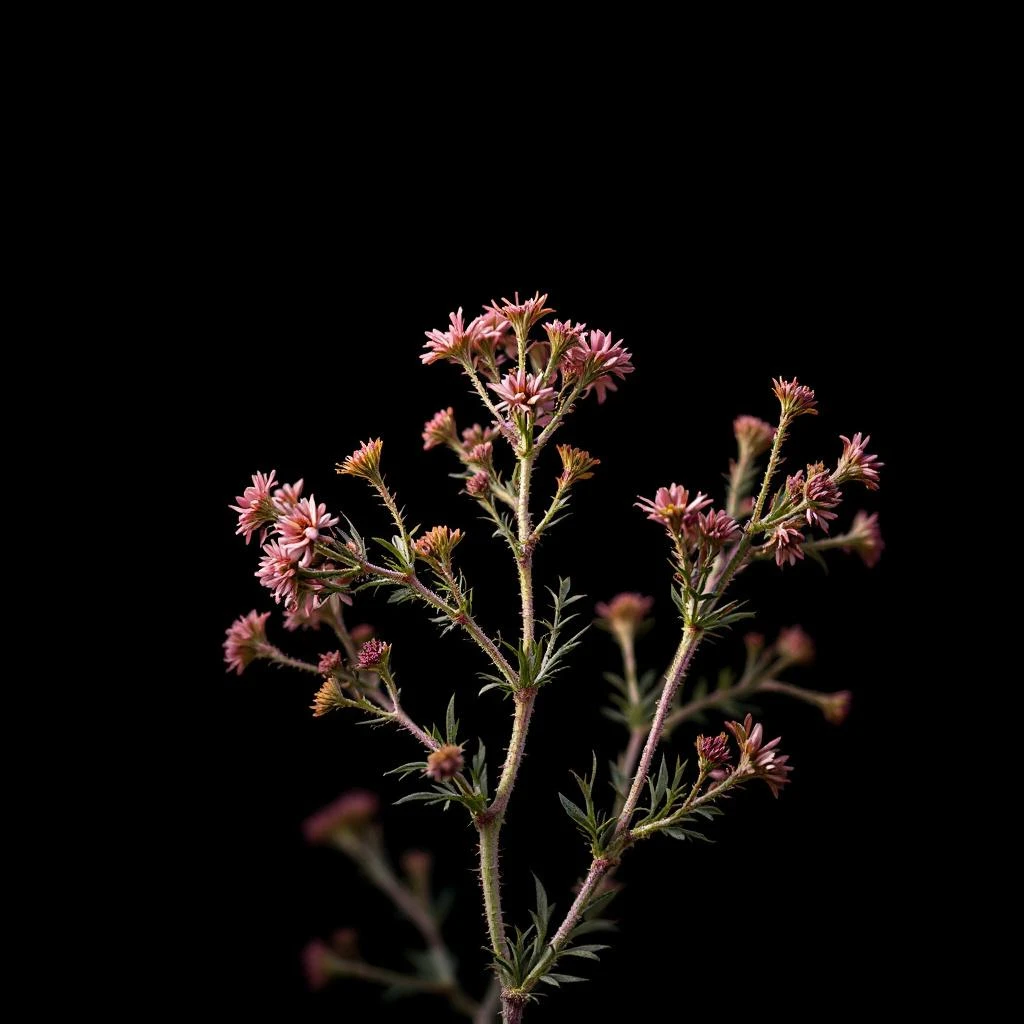
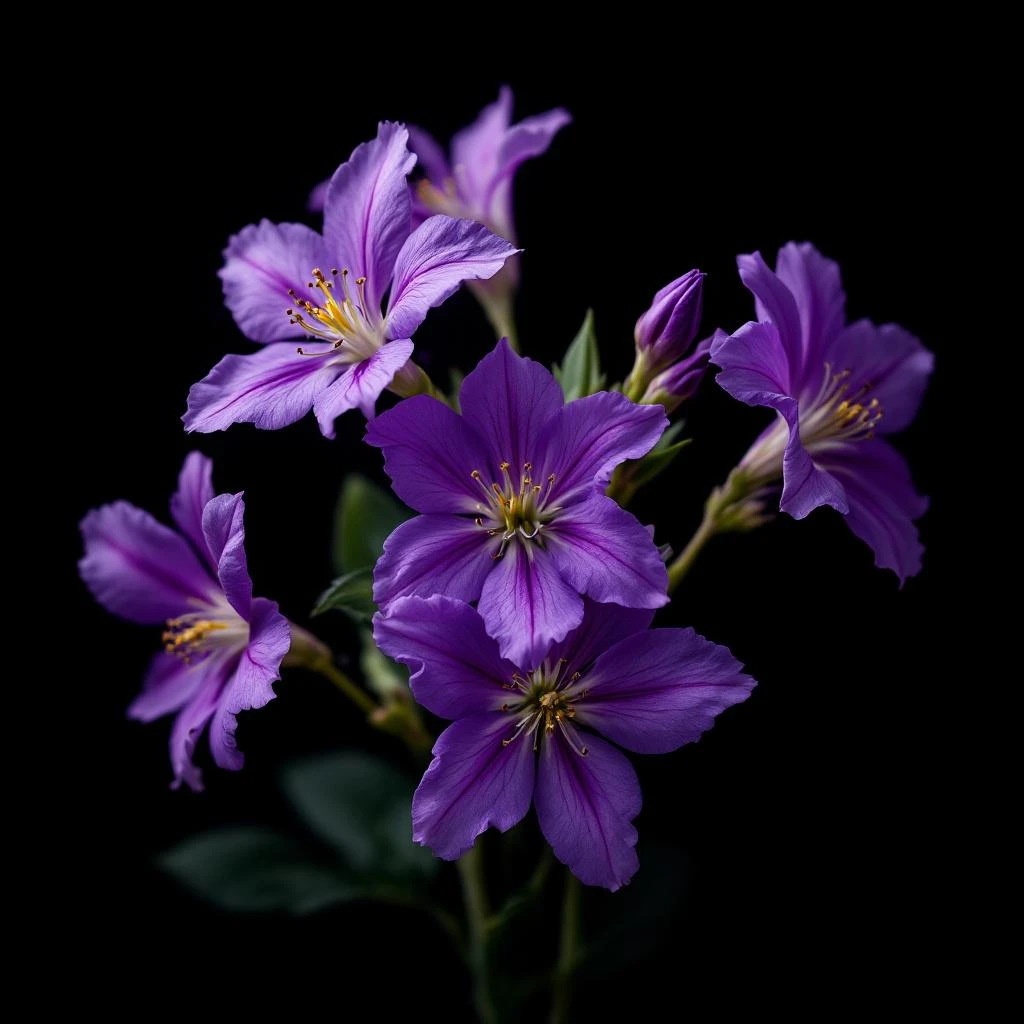
Madagascar
Ravensara has long served the people of Madagascar as a medicinal and ritual plant. Early Malagasy healers burned the leaves to clear respiratory passages and applied poultices for skin irritations. French colonists recorded the plant in the late 1800s, noting its aromatic steam when leaves were crushed.
By the 1930s, traders began exporting Ravensara oil to Europe, where it entered the emerging market for natural aromatics. The oil’s bright, herbaceous scent attracted perfumers seeking an alternative to eucalyptus and tea tree, and it appeared in classic colonial‑era colognes. In the 1970s, scientific studies confirmed its antimicrobial properties, prompting its inclusion in cosmetics and cleaning products.
Today, sustainable harvesting programs protect forest habitats while supplying the global fragrance industry, linking traditional knowledge with modern demand.
Wears it best
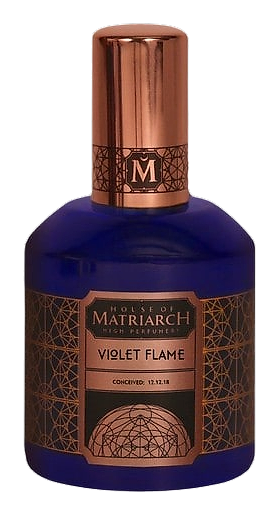
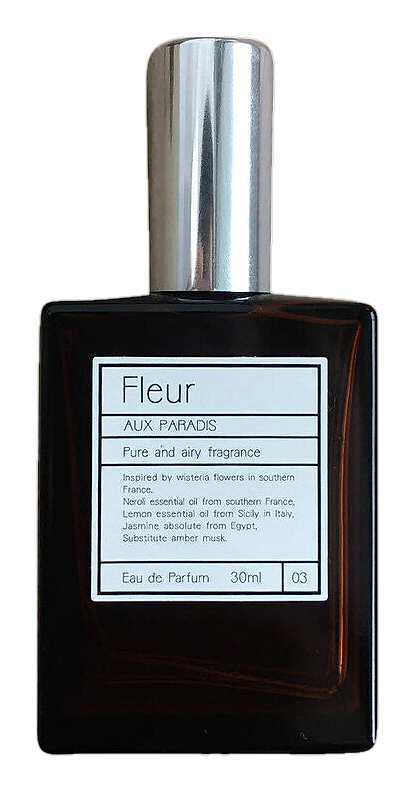
Fragrances featuring Ravensara
Brands
Brands known for Ravensara
Good to know
Questions, answered
The essentials on Ravensara in perfumery: how it smells, where it comes from, and how it behaves on skin.
What botanical family does Ravensara belong to?
Ravensara is a member of the Lauraceae family. Botanical surveys in 2020 listed it alongside cinnamon and camphor trees.
Which region supplies most Ravensara essential oil?
Madagascar provides the bulk of global Ravensara oil. In 2022, the island exported 115 metric tons, representing over 90% of worldwide production.
How is Ravensara oil extracted?
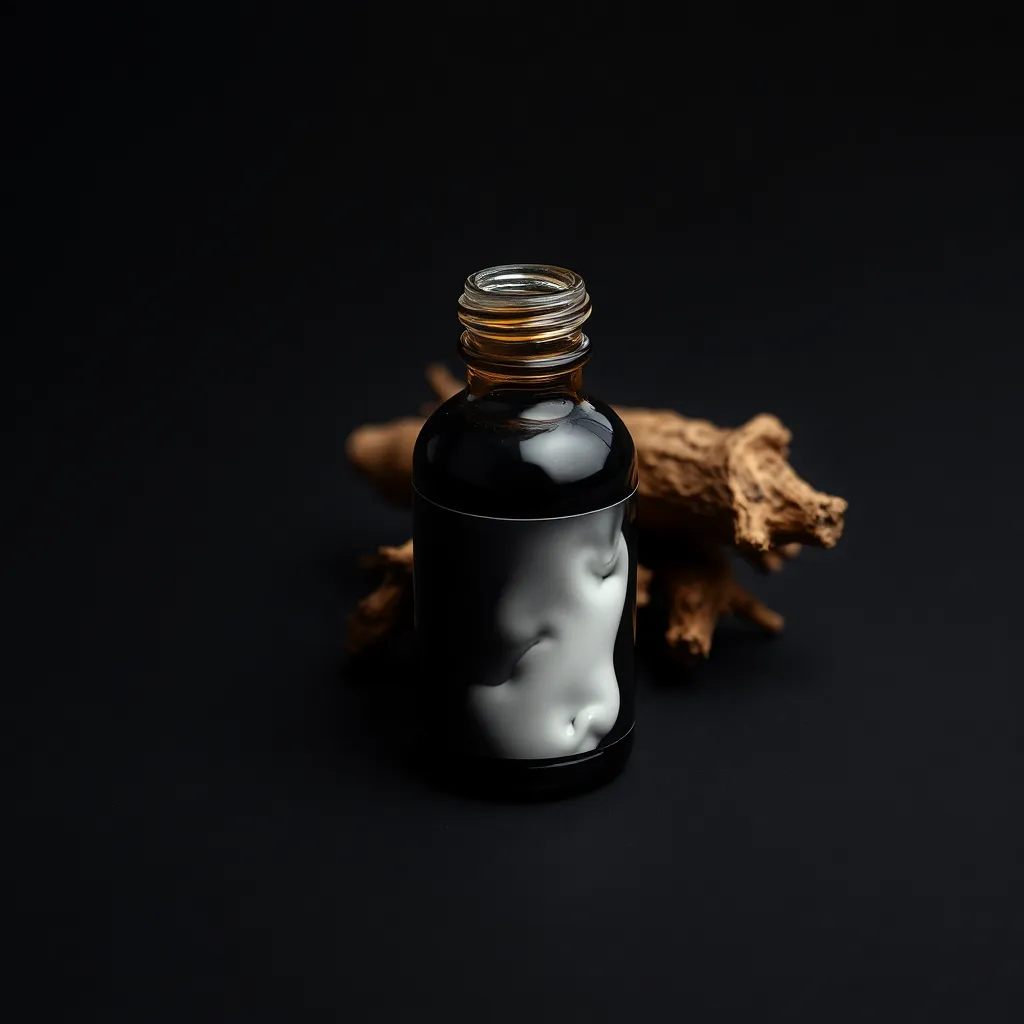
Steam distillation captures the oil from fresh leaves. The process runs at 100 °C for 3 hours, yielding a clear, pale amber distillate.
What are the primary scent characteristics of Ravensara?
Ravensara offers a warm, herbaceous aroma with hints of spice and green foliage. Analytical reports cite γ‑cadinene as the dominant scent molecule.
What traditional uses does Ravensara have?
Local healers use Ravensara leaf steam to ease congestion and apply poultices for minor wounds. Ethnobotanical records from 1998 document these practices across rural villages.
How stable is Ravensara oil in perfume formulations?
Ravensara remains stable for up to 24 months when stored in dark glass at 15 °C. Stability tests in 2021 showed less than 5% loss of key terpenes over that period.
Are there any safety considerations when using Ravensara oil?
Ravensara is generally safe for topical use at 2% dilution. The International Fragrance Association lists a skin sensitization threshold of 0.5 % for direct contact.
How does Ravensara compare to tea tree oil?
Ravensara is milder and less camphorous than tea tree oil. A 2019 comparative study measured its vapor pressure at 0.8 kPa versus 1.2 kPa for tea tree.