    Ingredient Profile

    Raspberry nectar fragrance note

    Raspberry nectar captures the bright, sun‑kissed sweetness of ripe berries, delivering a crisp, slightly tart aroma that brightens any fragr…More

    Poland

    1

    Fragrances

    Fragrances featuring Raspberry nectar

    Character

    The Story of Raspberry nectar

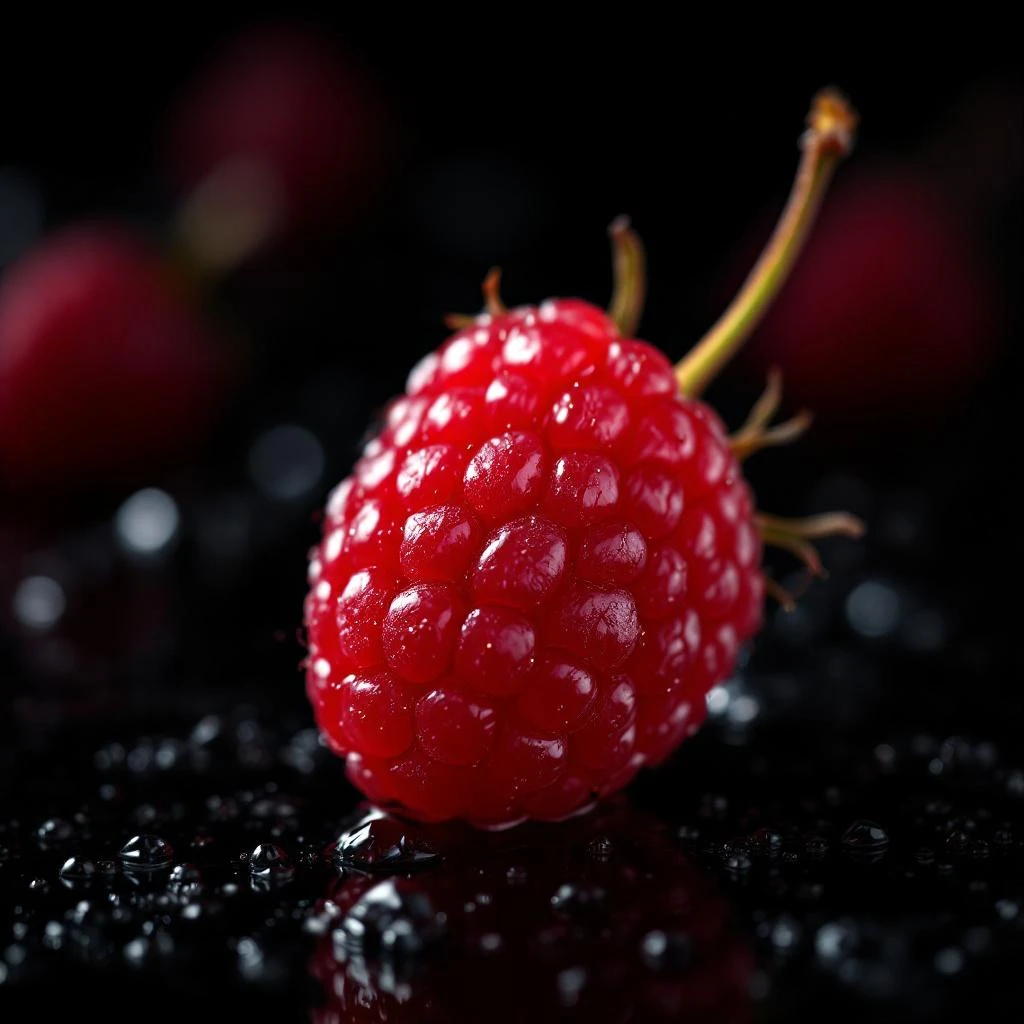
    Raspberry nectar captures the bright, sun‑kissed sweetness of ripe berries, delivering a crisp, slightly tart aroma that brightens any fragrance composition.

    Heritage

    Raspberry scent appears in ancient Greek texts, where the fruit symbolized love and vitality. Medieval herbalists recorded its use in scented balms and medicinal poultices. By the 1800s, French apothecaries incorporated raspberry tinctures into courtly perfumes, though supply remained limited by seasonal harvests. The 1930s marked a turning point when chemists isolated the fruit's key esters, creating the first synthetic raspberry aroma. This breakthrough freed perfumers from agricultural constraints and sparked a wave of fruit‑focused fragrances throughout the 20th century. Today, raspberry nectar remains a staple, linking historic botanical tradition with modern synthetic precision.

    At a Glance

    Fragrances

    1

    Feature this note

    Origin

    Poland

    Primary source region

    Ingredient Details

    Extraction

    Solvent extraction and synthetic ester blending

    Used Parts

    Ripe fruit pulp

    Did You Know

    "Raspberry nectar was the first fruit note to be reproduced synthetically in the 1930s, allowing perfumers to use its scent year‑round without seasonal limits."

    Production

    How Raspberry nectar Is Made

    Harvesters pick raspberries at peak ripeness, then freeze them to lock in volatile compounds. Technicians macerate the frozen fruit in food‑grade ethanol, extracting a thin aromatic concentrate. Because the natural oil yield is under 0.1%, most creators supplement the extract with synthetically produced esters such as hexyl acetate and ethyl hexanoate. The synthetic blend mimics the fruit's natural profile while providing consistency and stability. After maceration, the solvent evaporates in a low‑temperature vacuum, leaving a viscous amber liquid known as raspberry nectar. Perfumers blend this liquid with fixatives and other ingredients to achieve the desired intensity before bottling.

    Provenance

    Poland

    Poland52.0°N, 19.0°E

    About Raspberry nectar