Rain Accord
Rain Accord captures the sensation of cool droplets on sun-warmed earth. Perfumers blend ozonic, watery, and green facets with mineral clarity to recreate petrichor, the atmospheric scent released when rain meets soil. This synthetic accord brings brightness and renewal to modern fragrances.

Character
How it smells
The atmospheric scent of rain meeting earth, bottled for the skin.
The word petrichor was coined in 1964 when Australian researchers isolated the compound geosmin from soil bacteria, proving that rain's distinctive smell has a scientific explanation.







Origin
Laboratory created (perfumeries globally)
Before the 1960s, capturing rain's essence remained an unsolved creative challenge. Perfumers relied on citrus, marine notes, or green florals as imperfect substitutes.
In 1964, Australian scientists Isabel Bear and Richard Thomas published research identifying geosmin as the source of petrichor, the earthy scent released when rain falls on dry soil. This discovery opened new pathways for perfumers.
By the 1990s, molecular aromatics like Calone enabled true aquatic accords. Today, rain accord appears across niche and mainstream fragrances, a testament to how scientific discovery reshapes artistic expression.
Wears it best
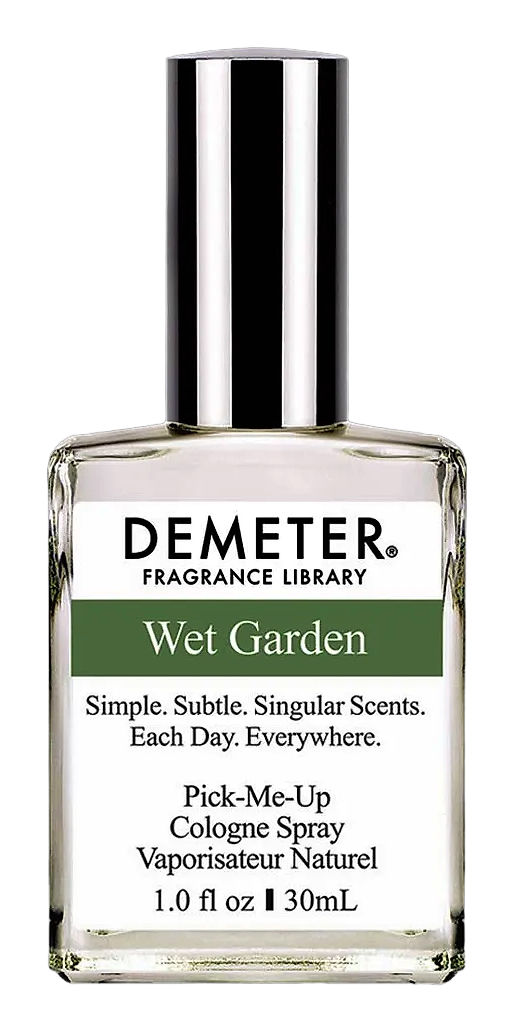
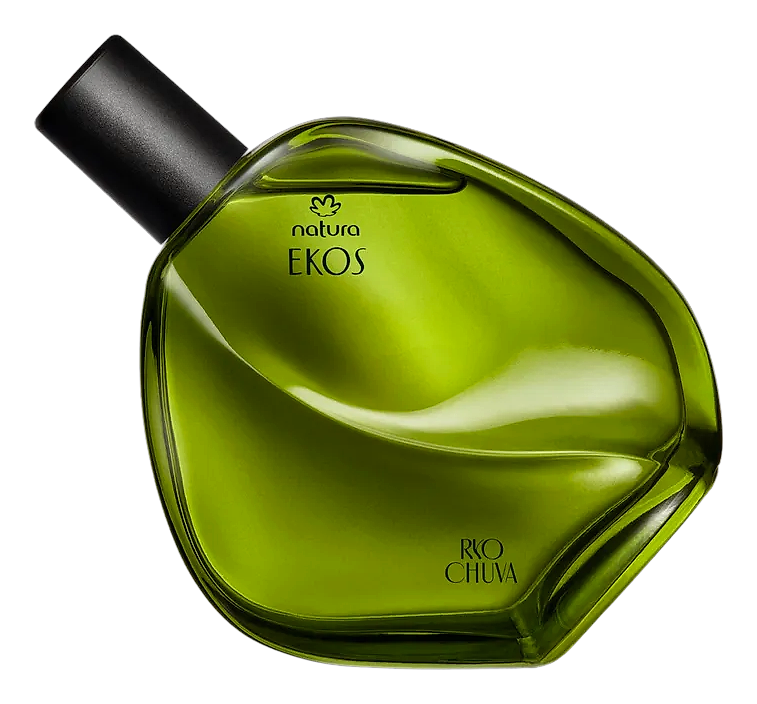
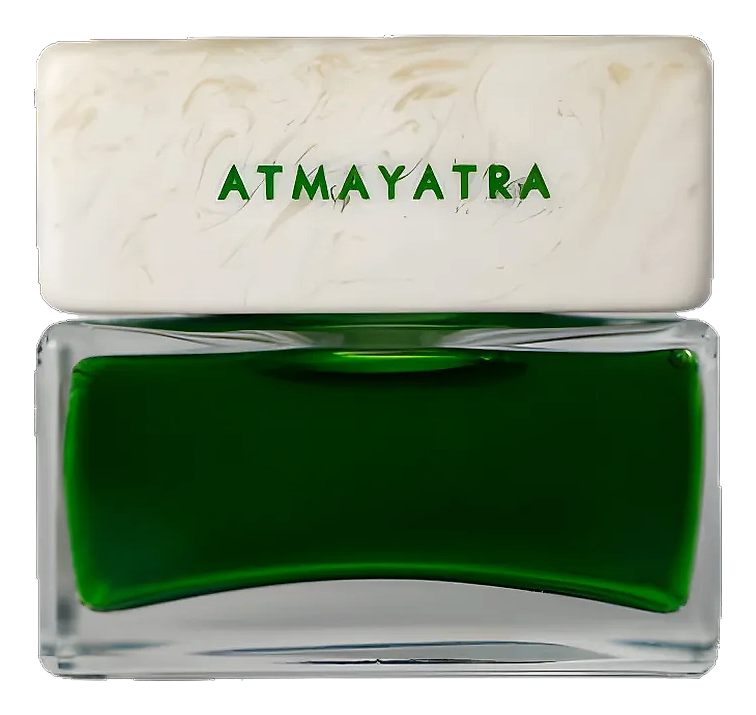
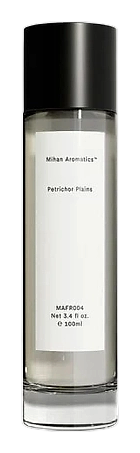
Fragrances featuring Rain Accord

Brands
Brands known for Rain Accord
Good to know
Questions, answered
The essentials on Rain Accord in perfumery: how it smells, where it comes from, and how it behaves on skin.
What does Rain Accord smell like in perfume?
Rain Accord smells like cool, crisp freshness with ozonic brightness and a clean mineral quality. It opens with airy, watery facets that evoke droplets suspended in air, settling into subtle green and earthy undertones that recall petrichor. The overall impression is clean, reviving, and atmospheric.
Why is Rain Accord used in perfumery?
Rain Accord adds brightness, clarity, and a natural freshness that few natural materials can replicate. Perfumers use it to evoke renewal, openness, and atmospheric landscapes. It works as an elevating element that makes floral, citrus, or woody compositions feel cleaner and more vibrant on the skin.
Is Rain Accord in perfume natural or synthetic?
Rain Accord is entirely synthetic. It combines purpose-built aromatic molecules like ozonic aldehydes, aquatic aromatics, and green note surrogates to replicate the sensation of rainfall. No natural extraction can capture the full complexity of rain's scent, so perfumers compose it molecule by molecule.
What famous perfumes contain Rain Accord?
Several contemporary fragrances showcase rain accord prominently. Commodity Rain combines watery musk with lotus and verbena for a clean atmospheric effect. Demeter Fragrance Library's Rain became a cult favorite for its uncanny authenticity. These scents demonstrate how the accord has become a signature element in modern fragrance design.
Is Rain Accord a top note, heart note, or base note?
Rain Accord typically appears as a top note or heart note in fragrance construction. Its volatile ozonic and watery molecules project immediately, making it an effective opening impression. Some heavier molecular variants can anchor heart compositions, but the accord rarely functions as a base note due to its light, airy character.
What notes pair well with Rain Accord in perfume?
Rain Accord pairs naturally with bright citrus, delicate florals like jasmine and lotus, and clean musks. Woody elements like sheer cedar add grounding contrast, while marine or aquatic companions amplify its atmospheric qualities. The accord also lifts oriental and green compositions, adding unexpected freshness to richer foundations.
Where does Rain Accord come from?
Rain Accord originates in the perfumer's laboratory, not from any agricultural crop or botanical source. The science behind it traces to 1964 research identifying geosmin, a compound released when rain hits dry soil. Modern perfumers expanded this knowledge, synthesizing molecules that capture the multidimensional freshness of rainfall through atmospheric chemistry.
Is Rain Accord used in men's or women's fragrances?
Rain Accord is entirely gender-neutral in contemporary perfumery. Its clean, atmospheric qualities read as universally fresh rather than masculine or feminine. Both niche houses like Commodity and mainstream brands apply it across their lines, making it one of the most versatile modern accords in the fragrance industry.