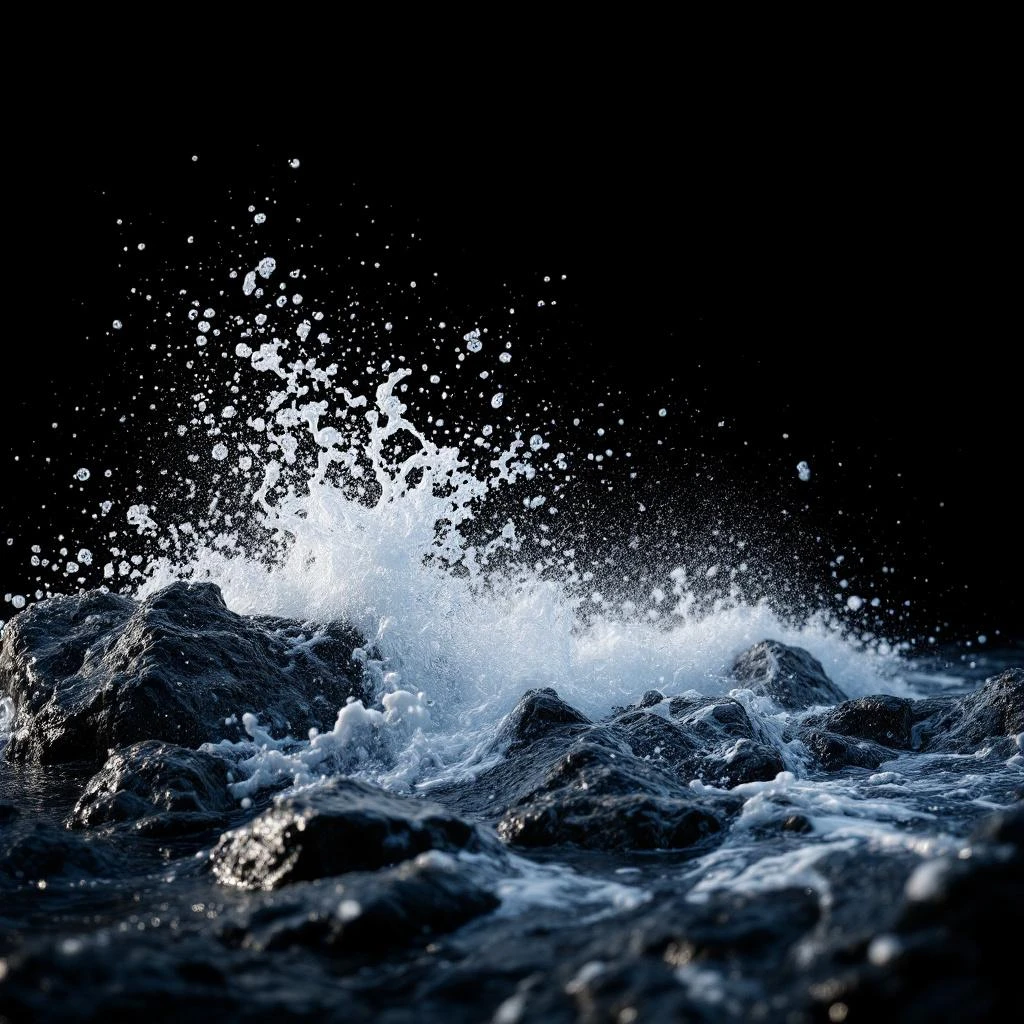
Rain
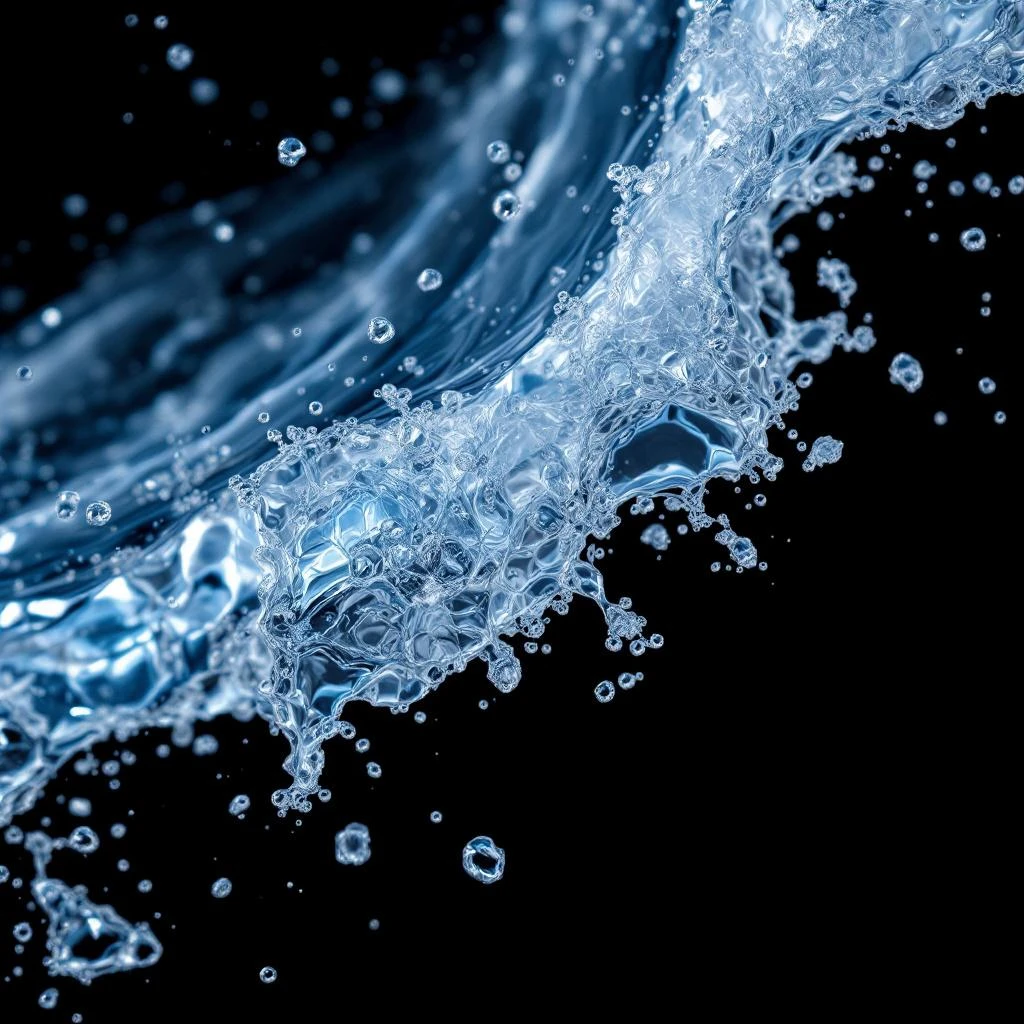
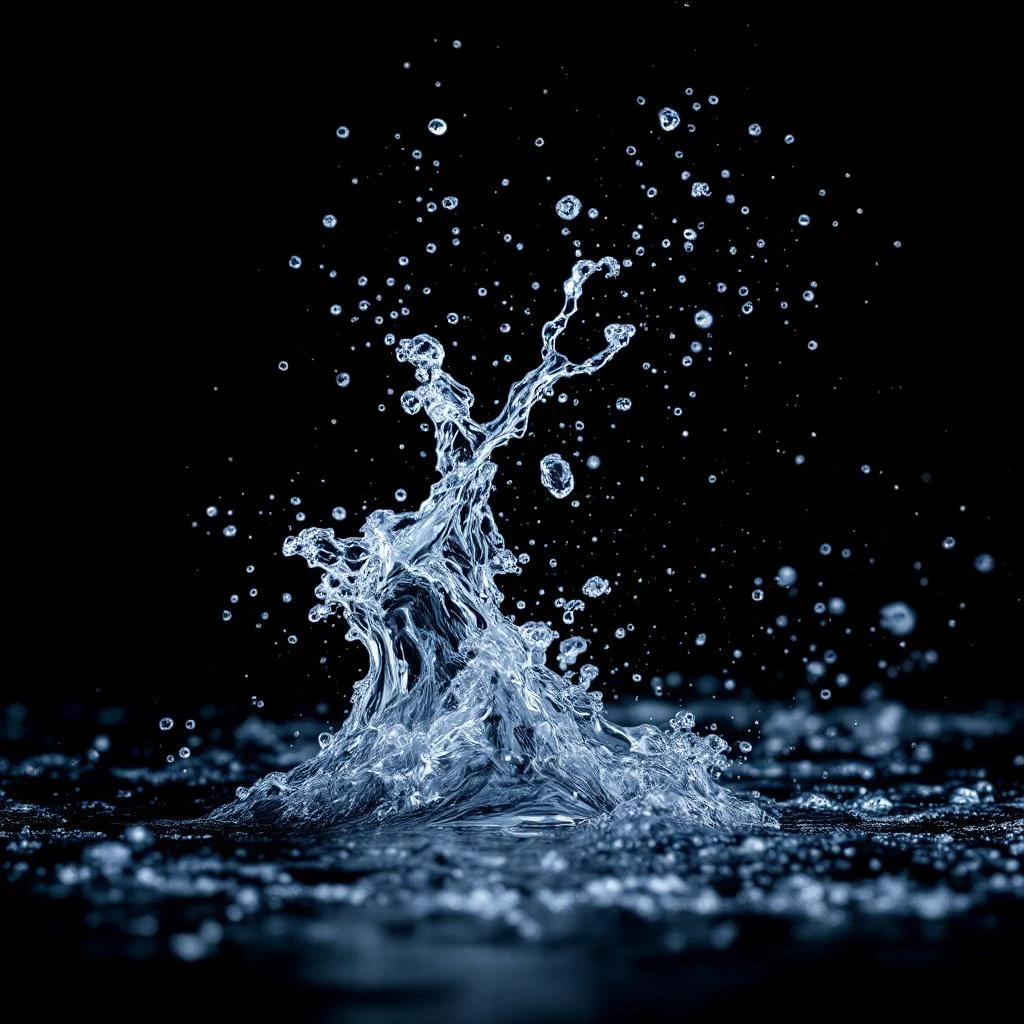
Petrichor, ozone, wet earth: Rain is one of perfumery's most evocative abstract notes. It exists only in the mind and the lab, constructed from molecules that evoke the smell of water meeting soil and the electric charge before a storm.
Character
How it smells
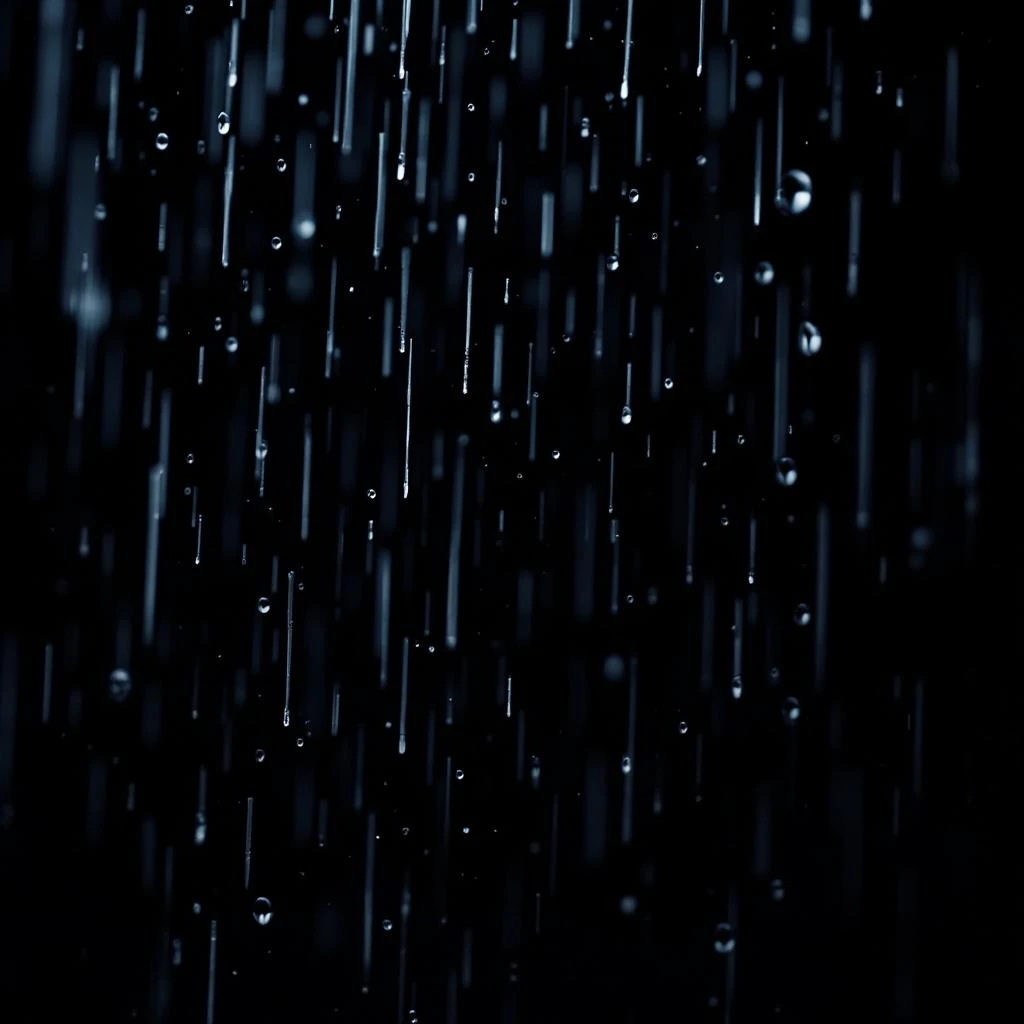
The scent that doesn't exist, but everyone recognizes.
No perfume has ever captured actual rain. The note is a fiction built from petrichor molecules, synthetic ozones, and the mineral smell of wet concrete, a shared memory expressed in chemistry.




Origin
Australia
Before the word petrichor existed, writers tried to describe rain's scent for centuries. Australian mineralogist Richard Thomas and physician Isabel Joy Bear published a paper in Nature in 1964 that finally gave the phenomenon a name, derived from the Greek petra (stone) and ichor (the fluid flowing in the gods' veins). Their research revealed that the smell was not the rain itself, but a blend of plant oils and bacterial compounds being released from dry soil.
The fragrance industry had been chasing this scent long before the science caught up. Early attempts in the late 20th century used simple green and watery aromachemicals. The real breakthrough came in the 1990s and 2000s when GCMS technology allowed perfumers to analyze the volatile compounds in rain-saturated air.
Houses like Demeter built entire libraries around atmospheric notes, and today rain appears as both a top-note accent and a central theme in aquatic and ozonic fragrance families, a reminder that some of perfumery's most powerful scents are imagined, not found.
Wears it best
Fragrances featuring Rain
Brands
Brands known for Rain
Good to know
Questions, answered
The essentials on Rain in perfumery: how it smells, where it comes from, and how it behaves on skin.
Is rain a real fragrance ingredient?
No. Rain is an accord, a blend of synthetic molecules that together simulate the smell of rainfall. The human nose cannot extract rain itself; perfumers build the illusion from petrichor compounds, watery aromachemicals, and ozone-like synthetics.
What is petrichor?
Petrichor is the earthy scent released when rain hits dry soil. Coined in 1964 by Australian researchers Isabel Joy Bear and Richard Thomas, it describes plant oils and bacterial compounds aerosolized by rainfall.
What chemical makes rain smell like rain?
Geosmin, an organic compound produced by actinomycetes bacteria in soil, is the primary source. Humans can detect it at just five parts per trillion, making it one of the most sensitive smell triggers known.
What does the rain note smell like in perfume?
The note combines cool, watery freshness with mineral ozone, wet earth, and a clean metallic edge. Most compositions add subtle green or floral elements to keep the accord from feeling sterile.
When was rain first used in perfumery?
Ozone and aquatic fragrance families emerged in the 1990s with advances in gas chromatography, allowing chemists to analyze airborne scent molecules. Demeter Fragrance Library expanded atmospheric notes in the early 2000s.
What scents pair well with rain in fragrance?
Rain accords work naturally with green notes like fig leaf, mineral bases like clearwood, and aquatic florals. Citrus top notes add brightness, while ambroxan provides a clean, skin-like anchor.
Can natural rain scent be captured?
No reliable method exists. The scent is airborne and transient, requiring synthetic reconstruction. Some natural perfumers blend essential oils like cypress and petrichor-adjacent absolutes, but these are approximations.
Why is rain so evocative in perfume?
Olfactory memory is strongly tied to emotion, and rain is a universal sensory experience. The brain links the scent to shelter, relief, and renewal, giving the note an emotional weight its chemistry alone cannot explain.