    Ingredient Profile

    Protea fragrance note

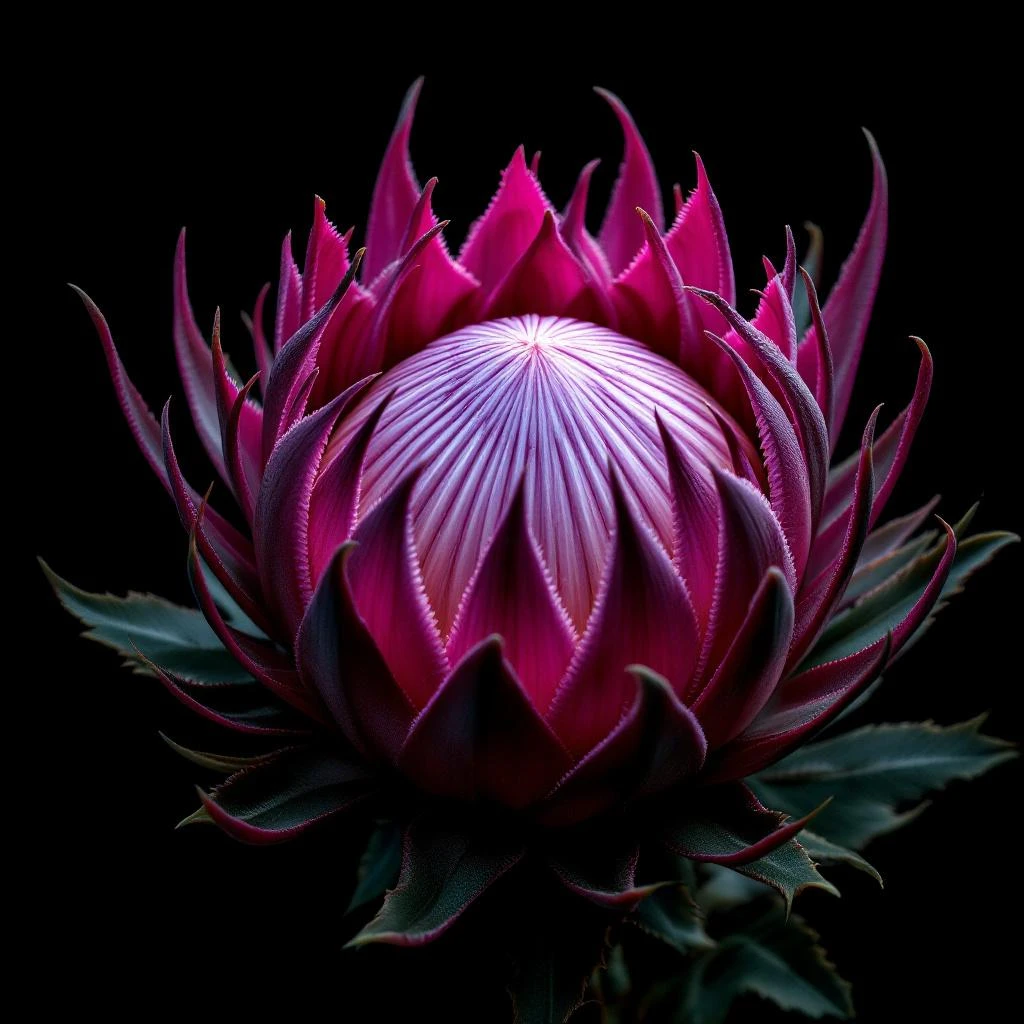
    Protea, the king of South African flora, offers a bright, slightly peppery aroma that bridges floral vigor with subtle earth tones, making i…More

    South Africa

    1

    Fragrances

    Fragrances featuring Protea

    Character

    The Story of Protea

    Protea, the king of South African flora, offers a bright, slightly peppery aroma that bridges floral vigor with subtle earth tones, making it a standout note in modern perfumery.

    Heritage

    Protea first entered Western perfume circles in the early 20th century, when explorers returned from South Africa with dried flower heads. European perfumers recognized the plant’s unique scent, noting its blend of citrus, spice, and subtle earth. By the 1930s, French houses began experimenting with Protea absolutes, using the new solvent‑extraction methods pioneered by François Coty. The note gained popularity in the 1960s as designers sought exotic, non‑European accents for their creations. In the 1990s, South African growers formed cooperatives to supply sustainable Protea material, aligning with the industry’s shift toward ethical sourcing. Today, Protea appears in niche and mainstream fragrances alike, celebrated for its ability to add bright, natural contrast without overpowering the composition.

    At a Glance

    Fragrances

    1

    Feature this note

    Origin

    South Africa

    Primary source region

    Ingredient Details

    Extraction

    Solvent extraction

    Used Parts

    Flower heads

    Did You Know

    "Protea blooms can live up to three years, outlasting most cut flowers, and the plant’s name honors Greek god Proteus, famed for his ever‑changing form."

    Production

    How Protea Is Made

    Harvesters collect mature flower heads in early summer, when buds have opened fully but before seed pods form. Workers trim stems and remove excess foliage, then spread the heads on shaded racks to dry gently, preserving volatile compounds. Once dried, the material enters a solvent‑extraction tank where hexane or ethanol draws out aromatic oils. The mixture separates, and the solvent evaporates under reduced pressure, leaving a thick, amber‑colored absolute. Some houses apply supercritical CO2 extraction to capture a lighter, clearer extract that retains fresh green nuances. The final product is filtered, tested for purity, and stored in amber glass to protect it from light. Throughout the process, quality control teams monitor temperature, solvent recovery rates, and aromatic profile using gas chromatography, ensuring each batch matches the characteristic Protea signature.

    Provenance

    South Africa

    South Africa33.9°S, 18.4°E

    About Protea