Character
The Story of __SOFT_DELETED__powdery
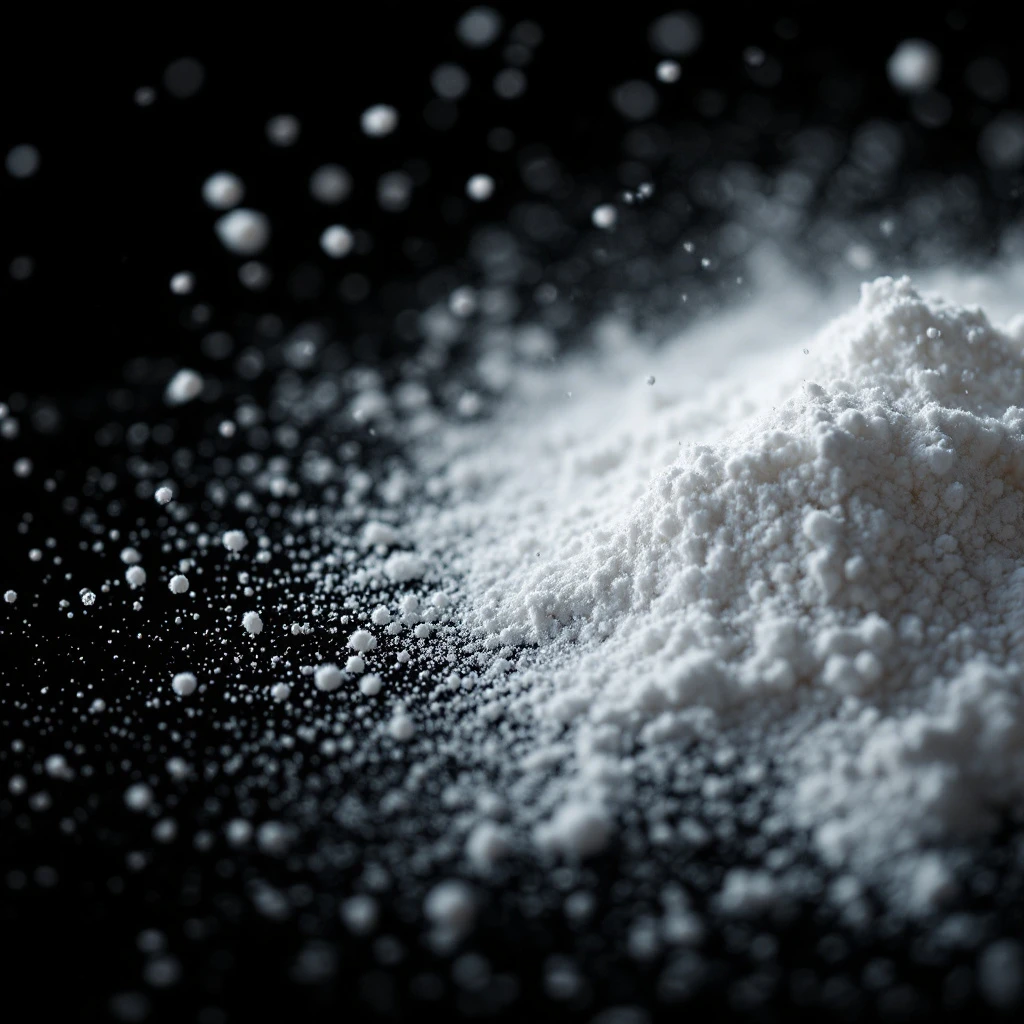
Powdery notes create a dry, soft sensation in fragrance. Think of the quiet elegance of talc, the warmth of lipstick, or the delicate texture of pressed powder. These notes bring comfort and familiarity to a composition.
Heritage
Powdery notes carry the heritage of the dressing table. Before fine fragrance existed as a separate category, scented powders, pomades, and lipsticks shaped how people understood fragrance. The beauty and fine fragrance industries only truly separated in the 1940s, yet powdery aesthetics had already shaped perfumery for decades. Modern perfumery began in the late 19th century when commercial synthesis of aroma compounds like vanillin and coumarin gave perfumers new building blocks. The landmark moment arrived in 1889 when Guerlain released Jicky, combining coumarin from tonka bean with lavender and other materials to create what many consider the first fragrance with a true powdery effect. As organic chemistry advanced through the 20th century, violet leaf compounds, synthetic musks, and heliotropin expanded the perfumer's palette. Today powdery notes remain a cornerstone of perfumery, offering a bridge between nostalgic cosmetics references and contemporary refinement.
At a Glance
1
Feature this note
France
Primary source region
Ingredient Details
Solvent extraction, synthetic production
Rhizomes, beans, leaves, lab-synthesized compounds
Did You Know
"The first fragrance to showcase powdery notes was Guerlain Jicky in 1889, using coumarin from tonka bean alongside lavender."