
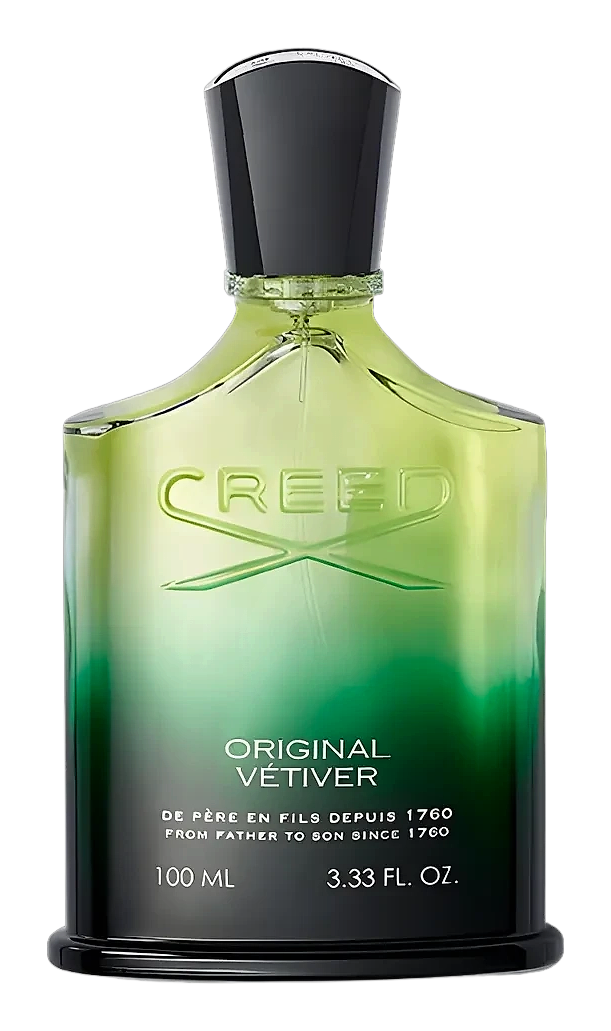
Character
The Story of pleasant
Coumarin is a fragrant compound celebrated for its sweet, warm aroma reminiscent of freshly mowed hay and vanilla. Discovered in tonka beans, it became one of perfumery's first commercially synthesized ingredients, revolutionizing fragrance creation in the 19th century.
Heritage
French chemist Auguste Vogel first isolated coumarin from tonka beans in 1820. The compound takes its name from the French word for the tonka bean. Its pleasant aroma quickly attracted perfumers seeking consistent fragrance materials. German chemist Wilhelm Heinrich Kallen achieved the first successful synthesis in 1868, opening the door to commercial production. This breakthrough arrived during a period when organic synthesis was transforming perfumery. Vanillin and coumarin became the first synthetic ingredients adopted at industrial scale. Perfumers immediately embraced the new material for its versatility and reliability. The compound became a cornerstone of masculine fragrance development through the 20th century. While regulatory bodies have restricted coumarin in food applications due to anticoagulant effects at high doses, its use in fine fragrance continues under established safety guidelines.
At a Glance
1
Feature this note
Venezuela
Primary source region
Ingredient Details
Solvent extraction and synthetic production
Tonka bean seeds (natural); synthesized chemically (modern)
Did You Know
"The same compound that gives coumarin its pleasant scent in perfume acts as a blood thinner in high doses when consumed."