Character
The Story of Pink Lotus Wax
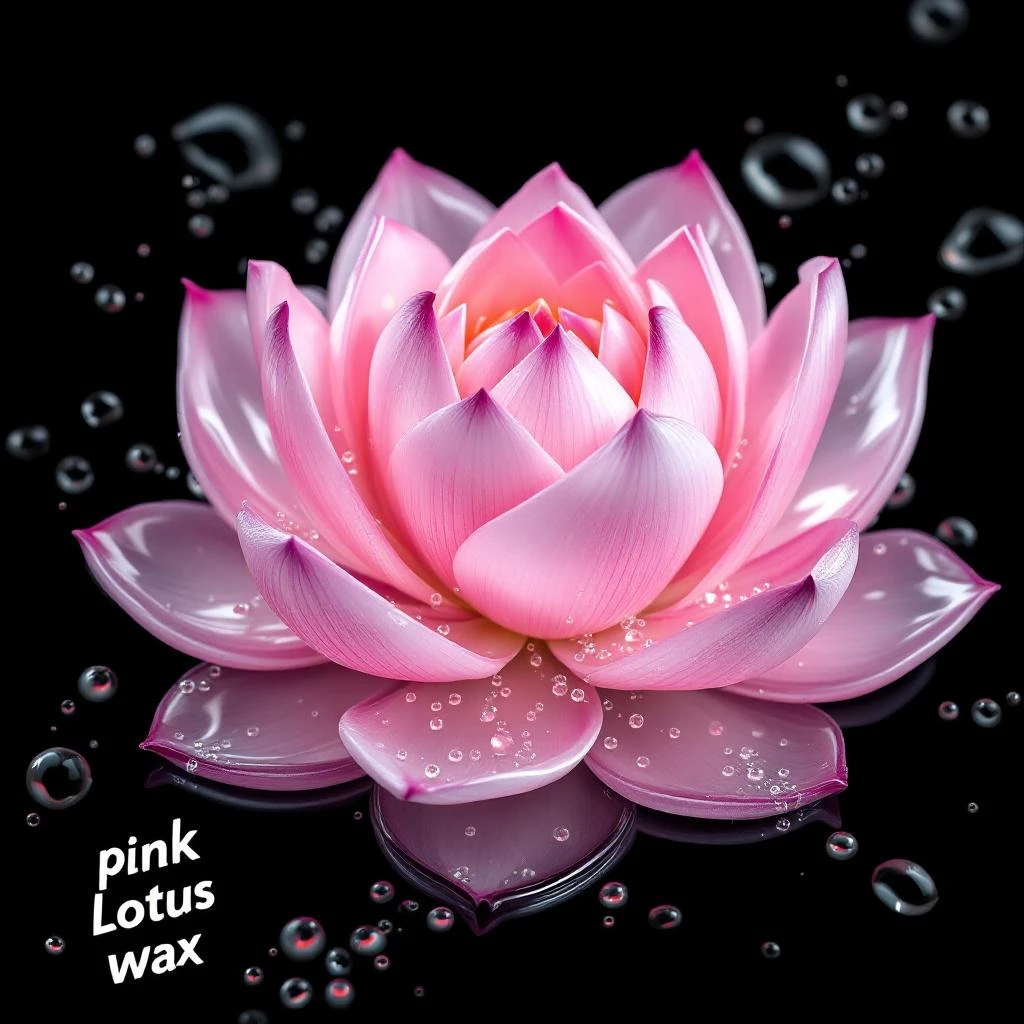
Pink Lotus Wax captures the serene aroma of Nelumbo nucifera blossoms in a solid, skin‑friendly medium, offering a subtle floral veil for niche creations.
Heritage
Ancient Egyptians placed lotus petals on animal fat to capture their scent, a technique known as enfleurage. Archaeological records show lotus perfume oils were used in temple rituals as early as 1500 BC. In the 19th century, Indian artisans refined the process, extracting lotus aroma with steam and later with solvents, expanding its use beyond ceremonial incense. By the early 1900s, French perfumers in Grasse imported Indian lotus absolutes to enrich floral accords. The modern resurgence began in the 2000s, when niche houses sought natural waxes that could deliver a consistent lotus note without synthetic additives. Today, pink lotus wax bridges historic reverence and contemporary sustainable sourcing.
At a Glance
1
Feature this note
India
Primary source region
Ingredient Details
Solvent extraction
Flower petals
Did You Know
"The pink lotus has survived five mass extinctions; its fragrance oils have been preserved in Egyptian tombs for over 3,000 years."