
Character
The Story of Pink Jasmine
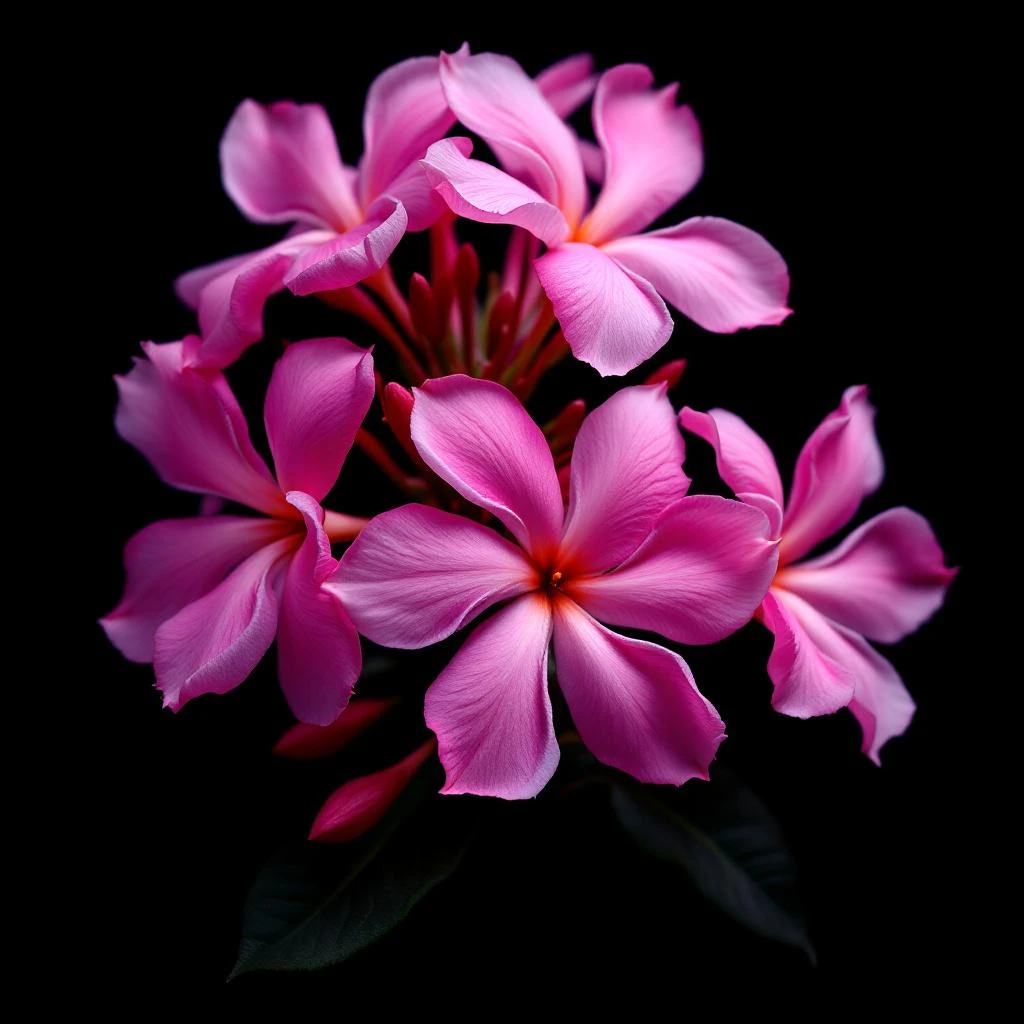
Pink Jasmine unfolds a luminous, slightly rosy facet of classic jasmine, delivering a fresh, sweet bloom that brightens any composition with a soft, radiant heart.
Heritage
Jasmine has scented human culture for millennia, appearing in Egyptian temples as early as the first millennium BCE, where it was burned as incense. The plant originated in the foothills of the Himalayas and spread along trade routes to Persia and the Mediterranean. By the 1850s, Grasse in France began producing jasmine absolute, establishing the region as a perfume capital. Pink Jasmine, a distinct variant of Jasminum grandiflorum, emerged in the early 20th century when growers in northern India selected for a natural pink hue. Its subtle rosy nuance quickly attracted perfumers seeking a softer alternative to the classic white jasmine. Throughout the 20th century, the note featured in iconic floral compositions and later in modern niche fragrances, where it adds brightness without overwhelming intensity. Today, Pink Jasmine remains a symbol of refined elegance, bridging ancient ritual use with contemporary artistic expression.
At a Glance
1
Feature this note
India
Primary source region
Ingredient Details
Solvent extraction
Flower petals
Did You Know
"Pink Jasmine derives its hue from a rare mutation of Jasminum grandiflorum, grown mainly in the high valleys of Himachal Pradesh, where cooler nights intensify its pink pigment."