    Ingredient Profile

    Pierre de Ronsard rose fragrance note

    Pierre de Ronsard rose delivers a lush, honeyed scent that balances fresh green notes with deep, velvety petals, making it a prized ingredie…More

    France

    1

    Fragrances

    Fragrances featuring Pierre de Ronsard rose

    Character

    The Story of Pierre de Ronsard rose

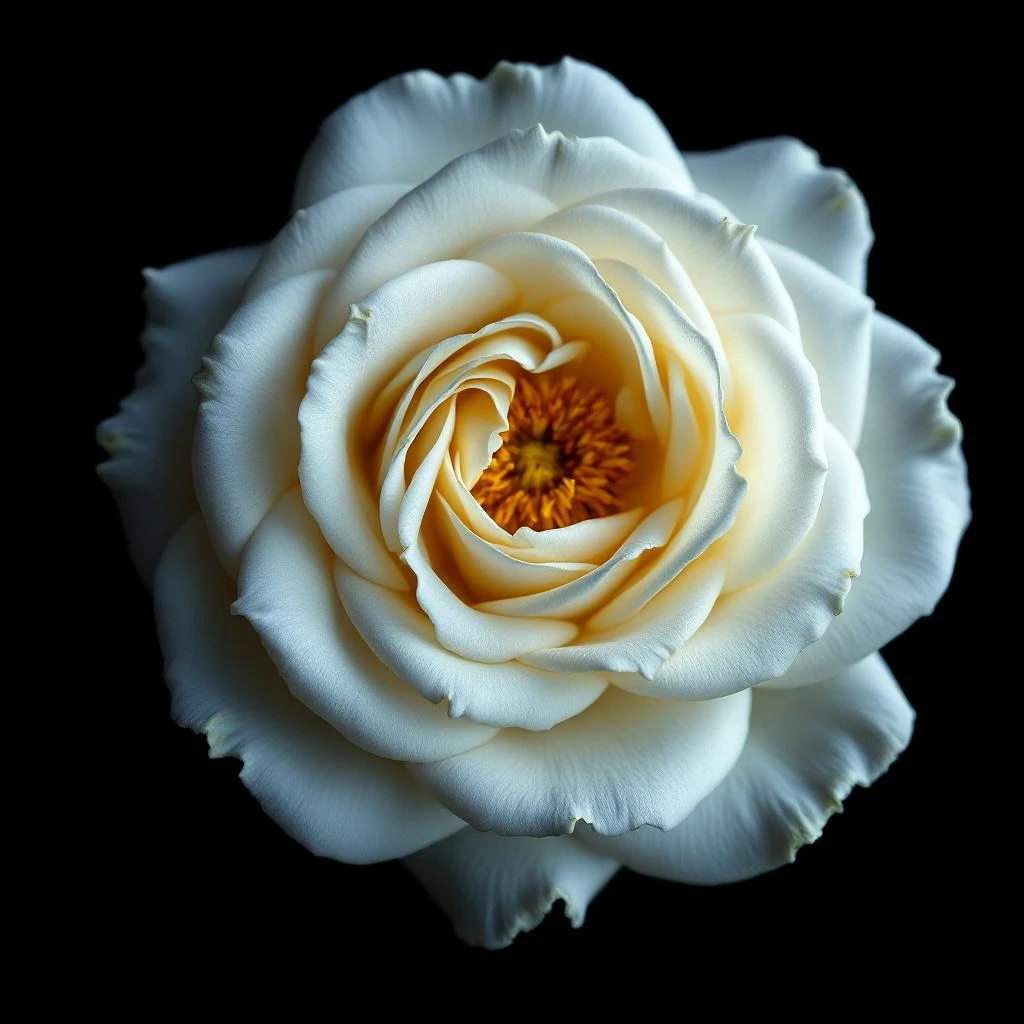
    Pierre de Ronsard rose delivers a lush, honeyed scent that balances fresh green notes with deep, velvety petals, making it a prized ingredient for refined fragrance blends.

    Heritage

    French rose breeders introduced Pierre de Ronsard in the mid‑19th century, naming it after the celebrated poet of the French Renaissance. The hybrid, a cross between a damask and a tea rose, quickly earned fame for its massive, fragrant blossoms that filled French gardens with a sweet, honey‑laden perfume. By the early 1900s, perfumers in Grasse began extracting its essence, recognizing its richer, more rounded profile compared with traditional damask roses. The rose’s popularity surged after World War II, when luxury houses used its absolute to add depth to classic floral compositions, cementing its status as a timeless fragrance staple.

    At a Glance

    Fragrances

    1

    Feature this note

    Origin

    France

    Primary source region

    Ingredient Details

    Extraction

    Solvent extraction

    Used Parts

    Flower petals

    Did You Know

    "The Pierre de Ronsard rose can grow blooms over 30 cm across, earning it the nickname “Eden Rose” for its garden‑size flowers."

    Production

    How Pierre de Ronsard rose Is Made

    Harvest crews pick Pierre de Ronsard petals at dawn, when volatile compounds peak. Workers spread the fresh petals on glass sheets in a cold‑enfleurage frame, allowing the scent to migrate into a neutral oil over several weeks. The oil is then pressed, filtered, and refined into a fragrant absolute. Modern perfumers also apply supercritical CO₂ extraction, which captures a broader spectrum of aroma molecules while preserving the rose's natural sweetness. Each batch yields roughly 0.02 ml of absolute per kilogram of petals, reflecting the rose's low oil content and the meticulous care required to preserve its character.

    Provenance

    France

    France44.8°N, 6.7°E

    About Pierre de Ronsard rose