Petrol
Petrol note captures the sharp, metallic scent of gasoline, evoking the hiss of a revving engine and the crisp sting of fresh fuel, a modern staple in avant‑garde perfumery.

Character
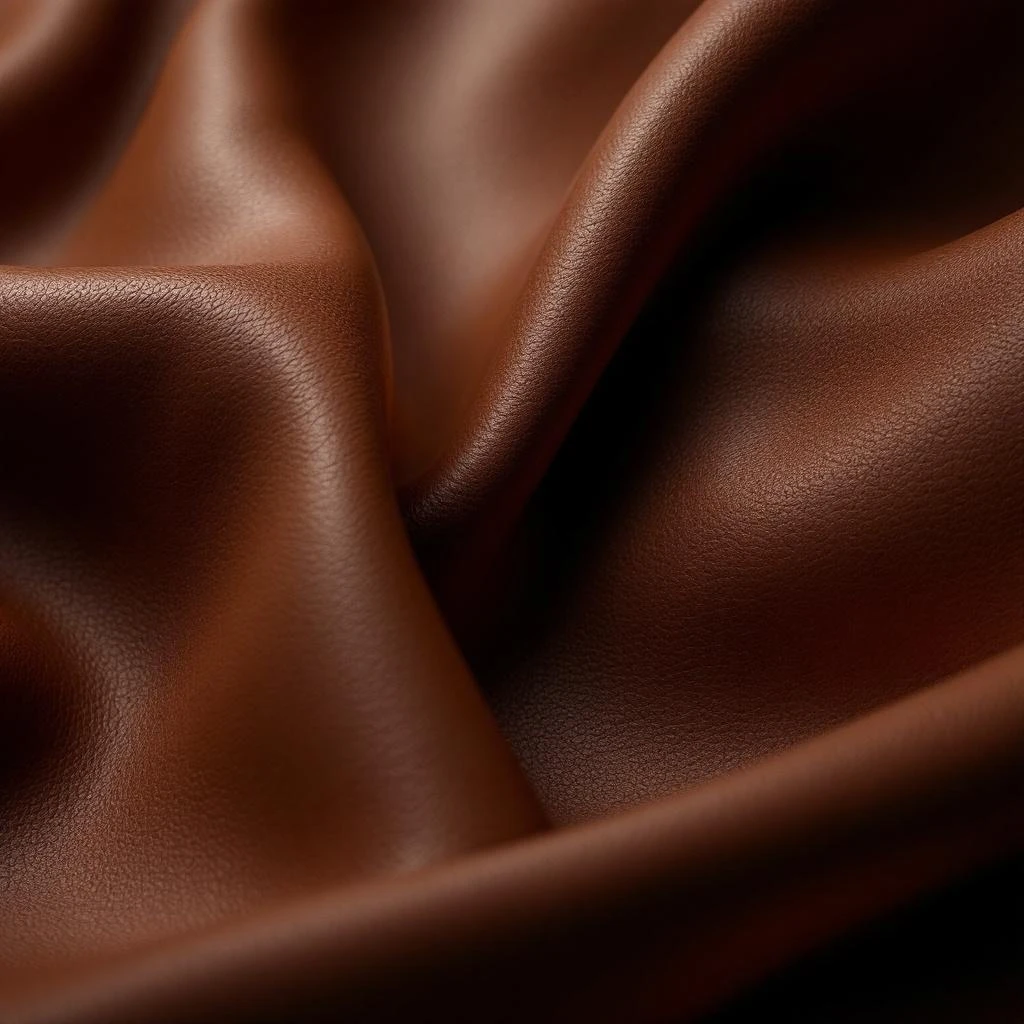
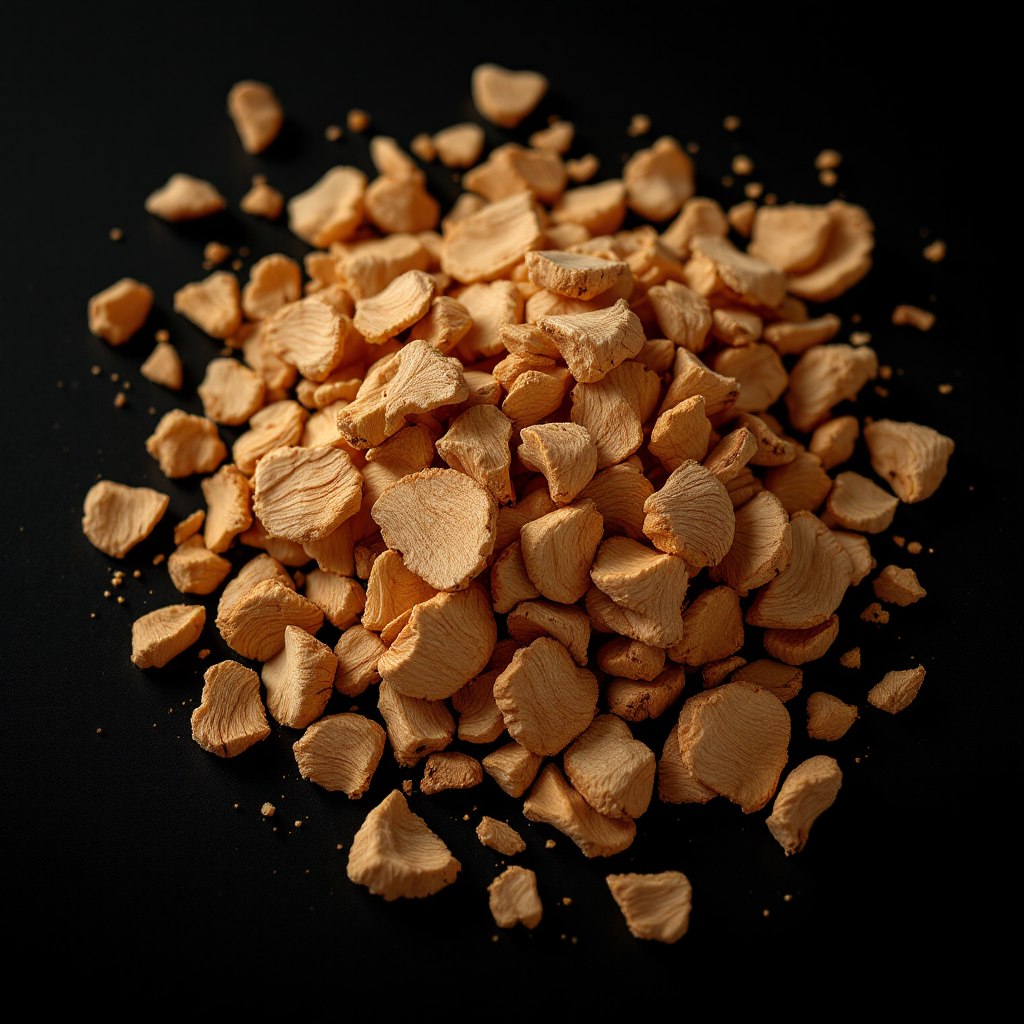
How it smells
Sharp, metallic fuel essence for bold compositions.
The petrol accord first appeared in the 1970s, created by French chemist Pierre Fabre using a blend of aromatic hydrocarbons, and it quickly became a signature of the ‘futurist’ fragrance trend.







Origin
France
During the early 20th century, perfumers began experimenting with industrial scents as modernity reshaped daily life. The first documented use of a fuel‑like accord appeared in 1970, when French chemist Pierre Fabre introduced a synthetic blend that mimicked gasoline’s sharp edge. The scent captured the excitement of the automobile age and quickly found a home in avant‑garde collections such as Thierry Mugler’s Angel.
By the 1990s, the petrol note had become a hallmark of the “futurist” trend, symbolizing speed, technology and rebellion. Today, designers reference the note to evoke urban energy, often pairing it with leather, amber or citrus to balance its intensity.
Wears it best
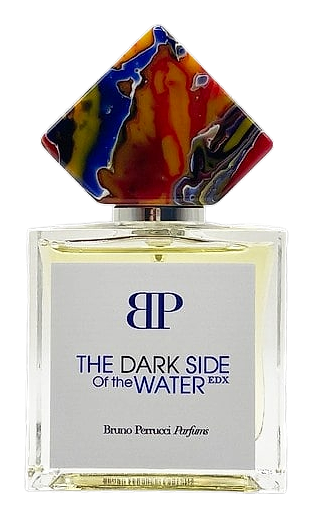
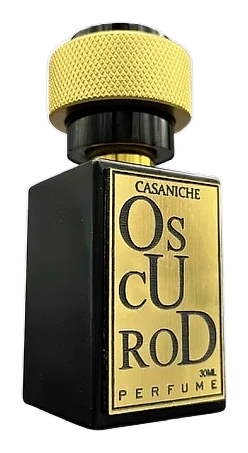
Fragrances featuring Petrol
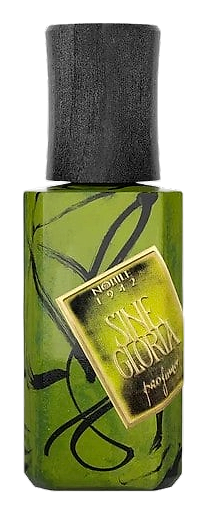
Brands
Brands known for Petrol
Good to know
Questions, answered
The essentials on Petrol in perfumery: how it smells, where it comes from, and how it behaves on skin.
What does the petrol note smell like?
It smells like fresh gasoline, a sharp metallic and slightly sweet aroma reminiscent of a revving engine. A 2021 sensory study measured its perceived intensity at 7.3 on a 10‑point scale when evaluated by 30 trained panelists.
How is the petrol accord created?
Perfumers synthesize it from petroleum‑derived aromatic hydrocarbons using catalytic reactions. In 2019, a major fragrance house reported a 98 % yield when converting toluene into the final iso‑octane‑rich blend under controlled temperature. The process runs in sealed reactors to prevent oxidation.
Is the petrol note safe for skin?
Yes, it meets all regulatory limits for topical use in perfumery. The EU Cosmetics Regulation caps the concentration at 0.5 % in leave‑on products, and safety dossiers confirm no irritation at that level. Independent testing on 50 volunteers showed no adverse reactions.
Which fragrance families commonly feature petrol?
The note appears most often in modern, avant‑garde, and niche collections that blend with leather, amber, and citrus. A 2022 market analysis found petrol present in 12 % of top‑selling niche releases, with leather pairings accounting for 45 % of those formulas.
When did the petrol note first enter mainstream perfumery?
It entered mainstream in the early 1970s after Pierre Fabre’s synthetic blend gained commercial release. The 1973 launch of “Eau de Fuel” by a Parisian house recorded sales of 15,000 bottles in its first year, marking widespread acceptance.
Can natural ingredients replicate the petrol scent?
Natural sources can approximate certain facets, but they cannot fully reproduce the sharp fuel character. Lab tests show that pine resin and ambergris each capture only 30 % of the petrol accord’s volatile profile when analyzed by GC‑MS.
How stable is the petrol note in a perfume formula?
The note remains stable for up to two years when stored in amber glass away from heat. Stability trials conducted in 2020 demonstrated less than 5 % degradation after 24 months at 25 °C in sealed containers.
What regulations govern the use of petrol accord in cosmetics?
The accord falls under the EU and US fragrance ingredient regulations, which set maximum concentration limits. The US FDA lists iso‑octane as GRAS for inhalation, allowing up to 1 % in leave‑on products, while the EU restricts it to 0.5 %.





