Character
The Story of Petit grain
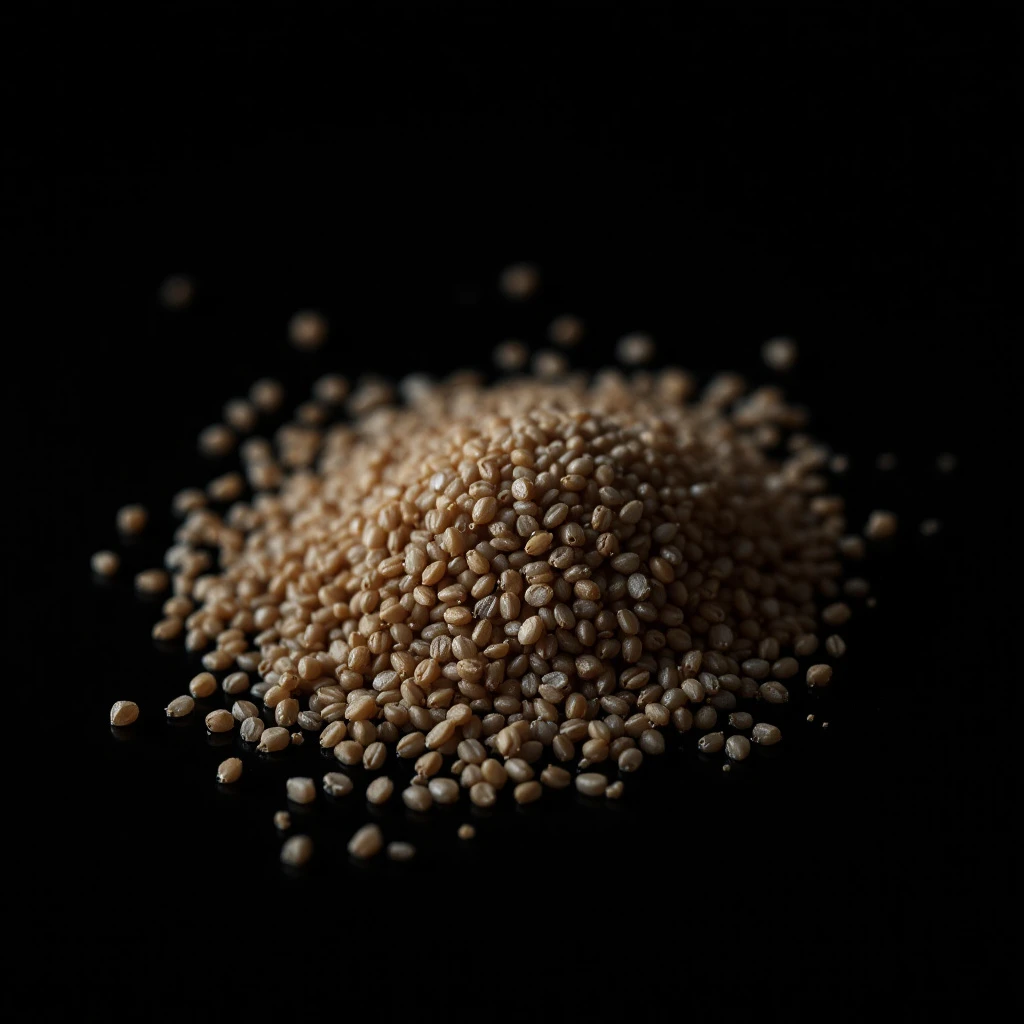
Petitgrain is the aromatic oil distilled from the leaves and young twigs of the bitter orange tree. Its name means little grain in French, echoing an older practice of distilling small, unripe oranges. Today it delivers a distinctive woody-citrus character that perfumers rely on for both freshness and depth.
Heritage
The name petitgrain translates directly to little grain in French, a reference to the original production method that used small, unripe bitter oranges rather than leaves. In the 18th century, perfumers distilled these tiny fruits as a source of aromatic material. By the mid-19th century, the supply of unripe fruit became economically unsustainable, and the industry shifted to processing leaves and twigs instead, a practice that continues today. In 1876, French botanist Benjamin Balansa introduced steam distillation equipment to Paraguay, establishing the country as one of the world's leading petitgrain producers alongside France and Italy. The ingredient has remained a staple of perfumery ever since, prized for its ability to bridge citrus and woody fragrance elements in compositions ranging from bright colognes to richer, deeper fragrance constructions.
At a Glance
1
Feature this note
Paraguay
Primary source region
Ingredient Details
Steam distillation
Leaves and young twigs
Did You Know
"The name translates as little grain in French because perfumers originally distilled tiny unripe oranges, not leaves, to produce this oil."