    Ingredient Profile

    Peruvian pink pepper fragrance note

    Peruvian pink pepper delivers a crisp, citrus‑spiced burst, marrying bright pink berries with a subtle woody edge, making it a versatile spa…More

    Peru

    2

    Fragrances

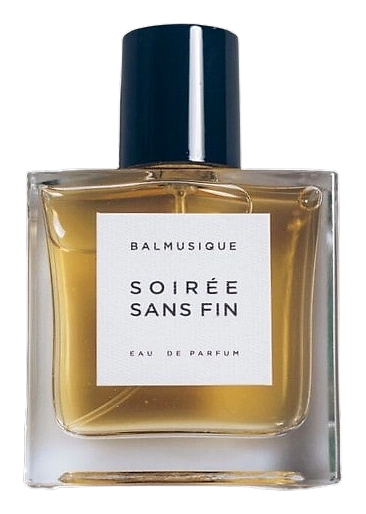
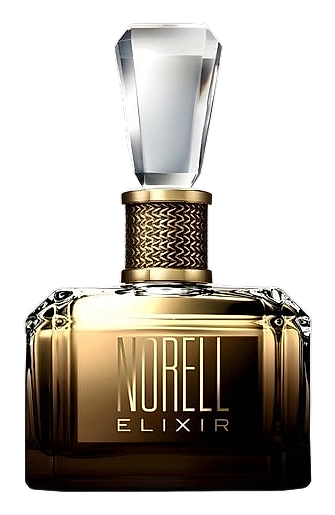
    Fragrances featuring Peruvian pink pepper

    Character

    The Story of Peruvian pink pepper

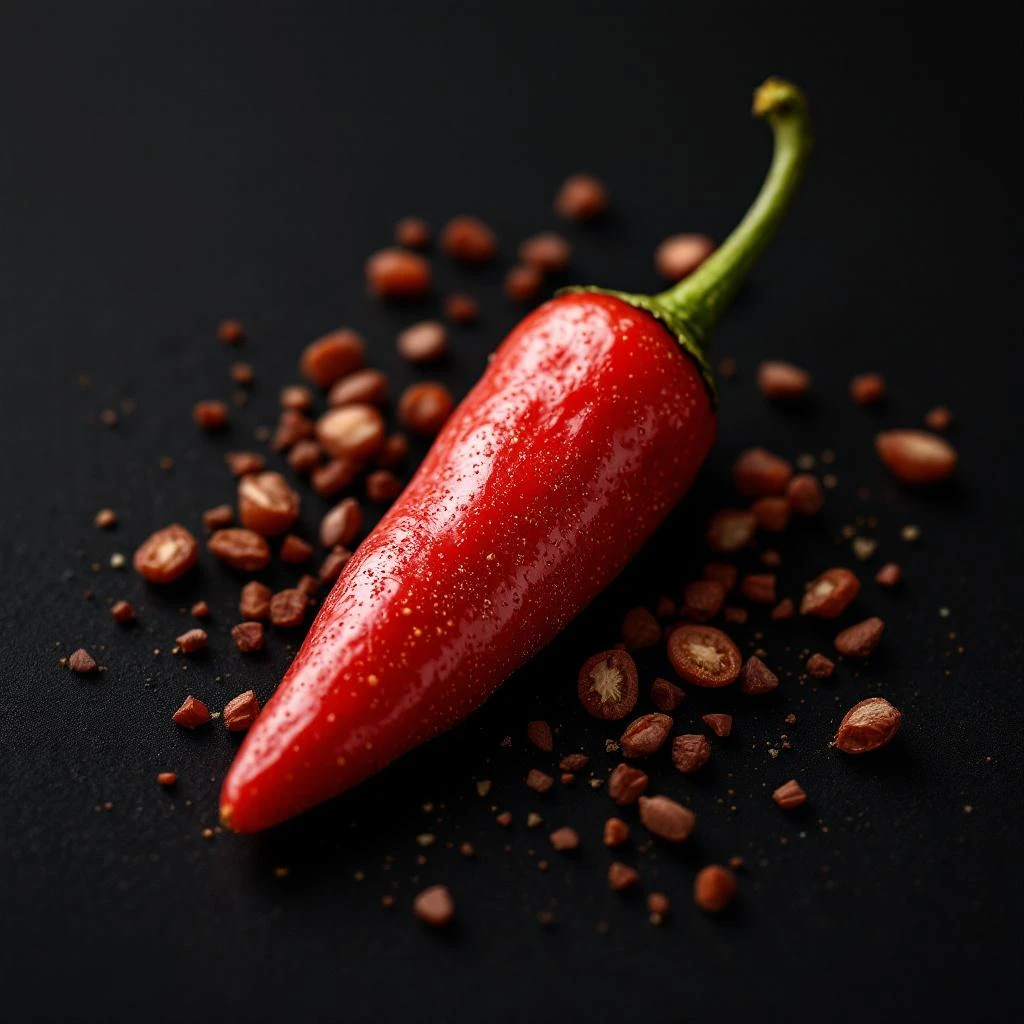
    Peruvian pink pepper delivers a crisp, citrus‑spiced burst, marrying bright pink berries with a subtle woody edge, making it a versatile spark in modern fragrance blends.

    Heritage

    Pink pepper’s story begins with the Inca, who prized the pink berries of the Schinus molle for both culinary spice and ceremonial incense. Spanish explorers recorded the spice in the 16th century, noting its sharp aroma and its use in trade caravans crossing the Andes. For centuries the fruit remained a regional flavor, rarely leaving South America. The modern perfume industry discovered pink pepper in the early 1990s, when a French house introduced it into a violet‑rose bouquet, instantly catching the attention of perfumers seeking a fresh, sparkling accent. Iconic launches such as Dior’s “Escale à Paris” (1995) and Tom Ford’s “Black Orchid” (2006) cemented its place in high‑end fragrance. Today, pink pepper appears in dozens of niche and designer scents, celebrated for its ability to lift floral hearts and add a crisp, slightly woody edge that bridges tradition and contemporary taste.

    At a Glance

    Fragrances

    2

    Feature this note

    Origin

    Peru

    Primary source region

    Ingredient Details

    Extraction

    Steam distillation

    Used Parts

    Dried berries

    Did You Know

    "Despite its name, pink pepper is not a true pepper; it belongs to the cashew family and has been harvested in the Andes for over 1,300 years, long before modern perfumery embraced its zest."

    Production

    How Peruvian pink pepper Is Made

    Peruvian growers climb the Andes each September to hand‑pick ripe pink pepper berries from Schinus molle trees. Workers spread the fruit on woven mats, allowing the sun to dry the berries for three to five days until moisture drops below 12 %. Once dried, the berries enter stainless‑steel stills where low‑temperature steam distillation extracts a clear, amber oil. The distillation runs at 95 °C for 45 minutes, preserving the volatile citrus notes while minimizing thermal breakdown. Some houses supplement the steam run with a short solvent‑extraction step to capture heavier woody compounds. The resulting oil is filtered through activated charcoal, then stored in dark glass bottles at 18 °C to protect its bright character. Quality labs test each batch for limonene, β‑pinene, and α‑terpineol levels, ensuring consistency across seasons. Sustainable practices include replanting one tree for every three harvested, maintaining the forest canopy that shelters the pepper trees.

    Provenance

    Peru

    Peru9.2°S, 75.0°W

    About Peruvian pink pepper