
Character
The Story of Patchouli noir
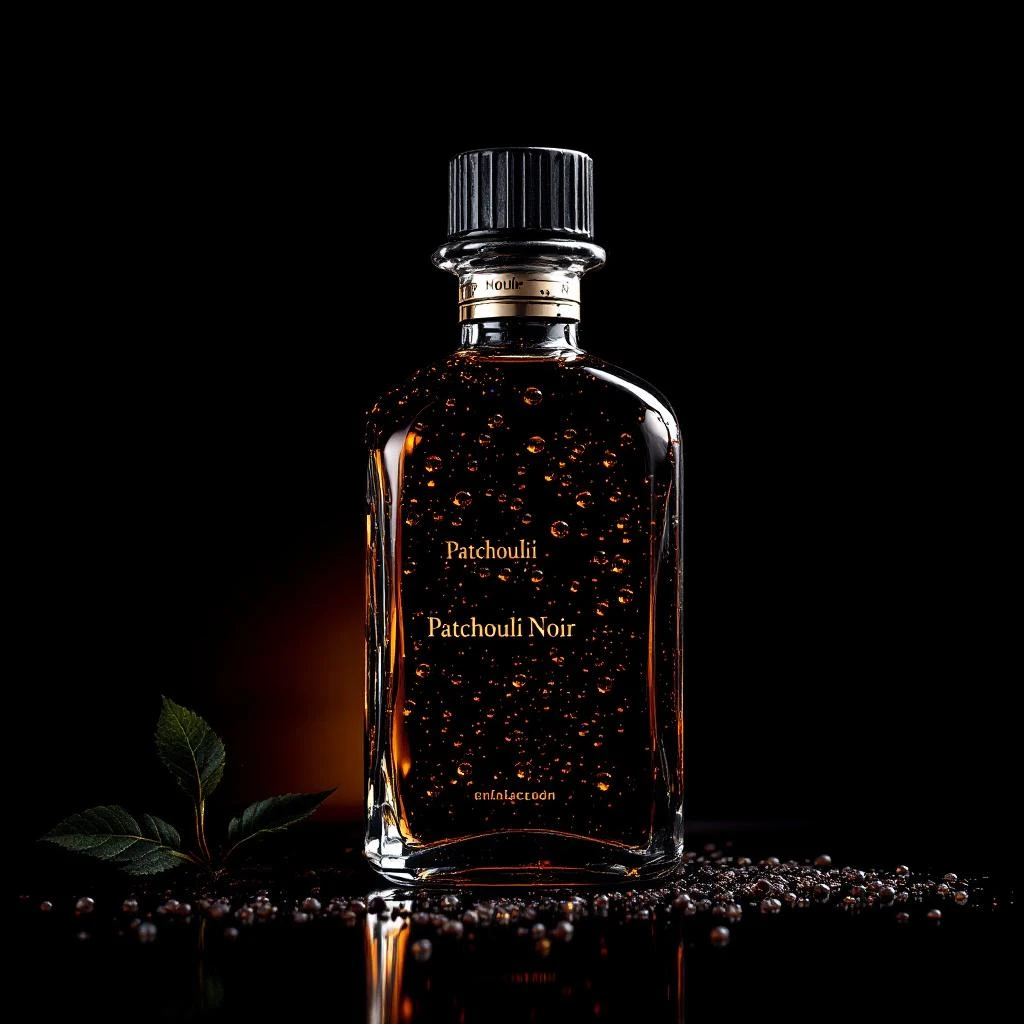
Dark as midnight earth, patchouli noir anchors fragrances with a rich, smoky sensuality that deepens and endures. This is the deepest expression of a beloved note.
Heritage
Patchouli derives from the Tamil words patchai (green) and ellai (leaf), a mistranslation since the Tamil term refers to color rather than a specific plant. Native to Southeast Asia, the species traveled to Europe via Indian merchants who tucked dried leaves into cashmere shawl shipments during the 1800s, protecting them from moths while inadvertently introducing the fragrance to wealthy Europeans. The scent became as coveted as the fabric itself, with the wealthy paying premium prices for just a few drops of oil. By the 1970s, counterculture embraced raw patchouli oil as a symbol of rebellion and natural living. Overuse led to its reputation as a dusty, overpowering note. Modern perfumery reclaimed patchouli as a luxury material, finding new appreciation for its dual nature as both grounding and sensual. Today, the ingredient appears in the most prestigious oriental and chypre fragrances, from Chanel to Frédéric Malle, its historical arc from exotic luxury to hippie icon and back again making it one of perfumery's most fascinating materials.
At a Glance
1
Feature this note
Indonesia
Primary source region
Ingredient Details
Steam distillation
Dried leaves and twigs
Did You Know
"The word patchouli comes from Tamil roots meaning "green leaf," but the characteristic earthy aroma only appears after the leaves dry for five to six days."