
Character
The Story of Patchouli Absolute
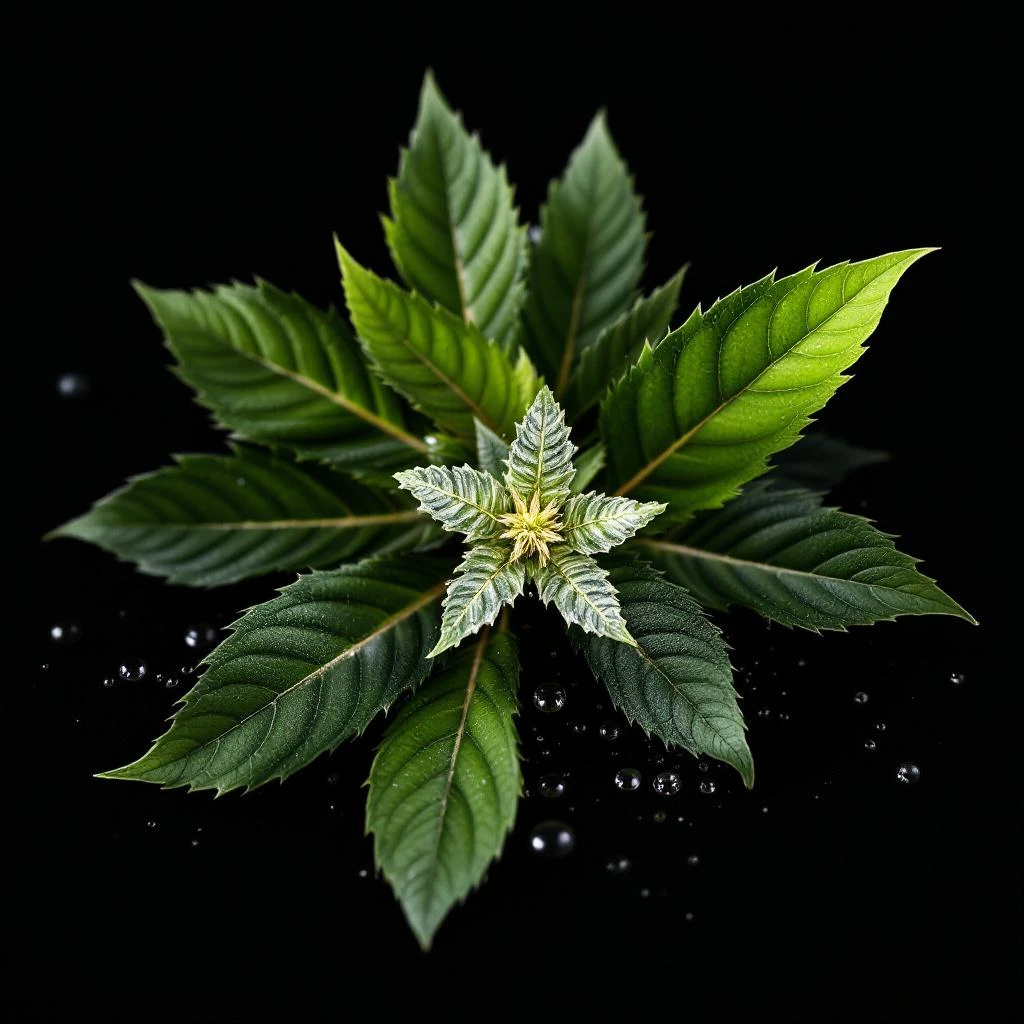
Patchouli carries a dual nature: earthy, mossy depth balanced against something unexpectedly warm and almost sweet. A cornerstone of perfumery since the 19th century, it grounds orientals, lifts chypres, and defines entire fragrance families.
Heritage
Patchouli originated in Southeast Asia, with historical records placing it in India and Malaysia centuries before European contact. Indian textile merchants discovered that dried patchouli leaves placed between folds of fine fabrics repelled insects during long caravan journeys. This practical use introduced the plant to Middle Eastern markets via the Silk Road, where it became associated with exotic goods and luxury textiles. European perfumers only identified the source of this distinctive fragrance in 1826, tracing it to crumbled dried plant material. The mystery surrounding its origin only deepened patchouli's appeal. Perfumers began incorporating it into fragrances during the Second Empire, using it to evoke the shawls from Kashmir that carried the scent to Western markets. By the 1960s, patchouli had become deeply embedded in counterculture and perfumery alike, its reputation as a sensory symbol of authenticity cementing its place as a fundamental building block of modern fragrance creation.
At a Glance
3
Feature this note
India
Primary source region
Ingredient Details
Solvent extraction
Dried leaves
Did You Know
"In 19th-century Europe, patchouli's presence was so prized that shiploads of Indian textiles arrived with leaves sewn into every fold."