Pastel de nata
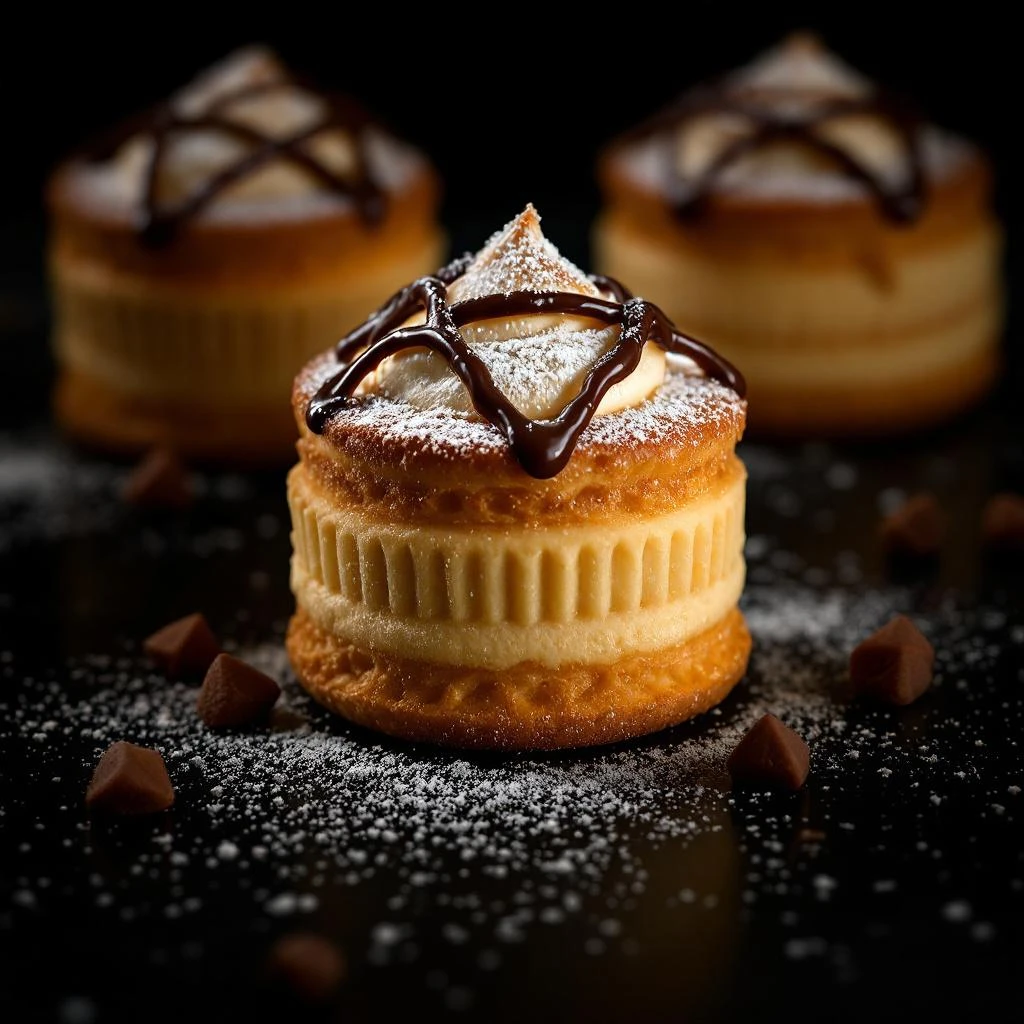
A warm gourmand note inspired by Portuguese custard tarts. Vanilla and caramel form its sweet foundation, while buttery pastry accord and subtle egg custard warmth create indulgent depth. This comfort-focused ingredient adds edible, cozy character to fragrance compositions.
Character
How it smells
Warm vanilla custard wrapped in caramelized pastry
Pastel de nata originated in 18th-century Lisbon, created by nuns at Jerónimos Monastery before the recipe was sold to a local bakery.





Origin
Portugal
Pastel de nata originated in 18th-century Portugal, created by nuns at the Jerónimos Monastery in Lisbon. Historians believe the recipe emerged when monks used excess egg yolks from starch clarification for starch-based laundry, combining them with sugar and dough. The recipe remained a monastery secret until 1837, when it was sold to the owners of Antiga Confeitaria de Belém, who began selling the tarts publicly.
The pastry became embedded in Portuguese cultural identity, served in bakeries, cafes, and homes across the nation. Portuguese emigrants carried the tradition worldwide, and pastel de nata shops now operate on every continent. The tarts appear in food photography, travel writing, and culinary documentaries, solidifying their status as Portugal's most recognizable export.
Gourmand perfumery emerged in the late 20th century, drawing inspiration from culinary scents. Perfumers began translating favorite foods and beverages into wearable fragrances, and the warm, sweet pastel de nata proved an irresistible subject. Modern fragrance houses construct the note using vanilla, caramel, and buttery materials, capturing the essence of a beloved national treasure in liquid form. This represents a fascinating reversal of cultural exchange, where a Portuguese bakery creation inspires luxury products in Paris, New York, and Tokyo.
Wears it best
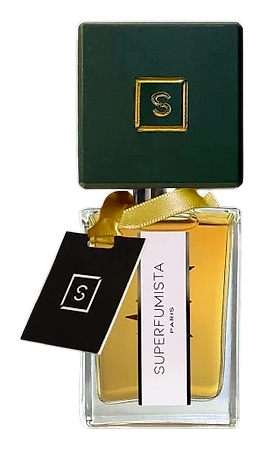
Fragrances featuring Pastel de nata
Brands
Brands known for Pastel de nata
Good to know
Questions, answered
The essentials on Pastel de nata in perfumery: how it smells, where it comes from, and how it behaves on skin.
What does Pastel de nata smell like in perfume?
Pastel de nata in perfume smells like warm vanilla custard with caramelized sugar and buttery pastry. It features sweet, edible warmth with creamy depth and a comforting, baked-good character that evokes fresh Portuguese custard tarts.
Why is Pastel de nata used in perfumery?
Pastel de nata is used in perfumery as a gourmand note to add warmth, sweetness, and edible appeal. The comfort-food association makes fragrances feel inviting and approachable. It works particularly well in autumn and winter compositions where its cozy character enhances wearability.
Is Pastel de nata in perfume natural or synthetic?
Pastel de nata in perfume is always synthetic or an accord. No natural material captures this scent profile directly. Perfumers combine natural vanilla and benzoin with synthetic materials like ethyl maltol to reconstruct the warm pastry character.
What famous perfumes contain Pastel de nata?
Maison Martin Margiela Lazy Sunday Morning incorporates pastel de nata-inspired notes in its comfort-focused composition. The fragrance features warm vanilla and musks that evoke the cozy pastry character. Several niche houses also market pastel de nata as a signature note.
Is Pastel de nata a top note, heart note, or base note?
Pastel de nata typically functions as a base note in perfumery. Its sweet, warm character develops over time and provides lasting dry-down depth. Occasionally perfumers feature it as a heart note when they want the edible warmth to dominate the mid-palette.
What notes pair well with Pastel de nata in perfume?
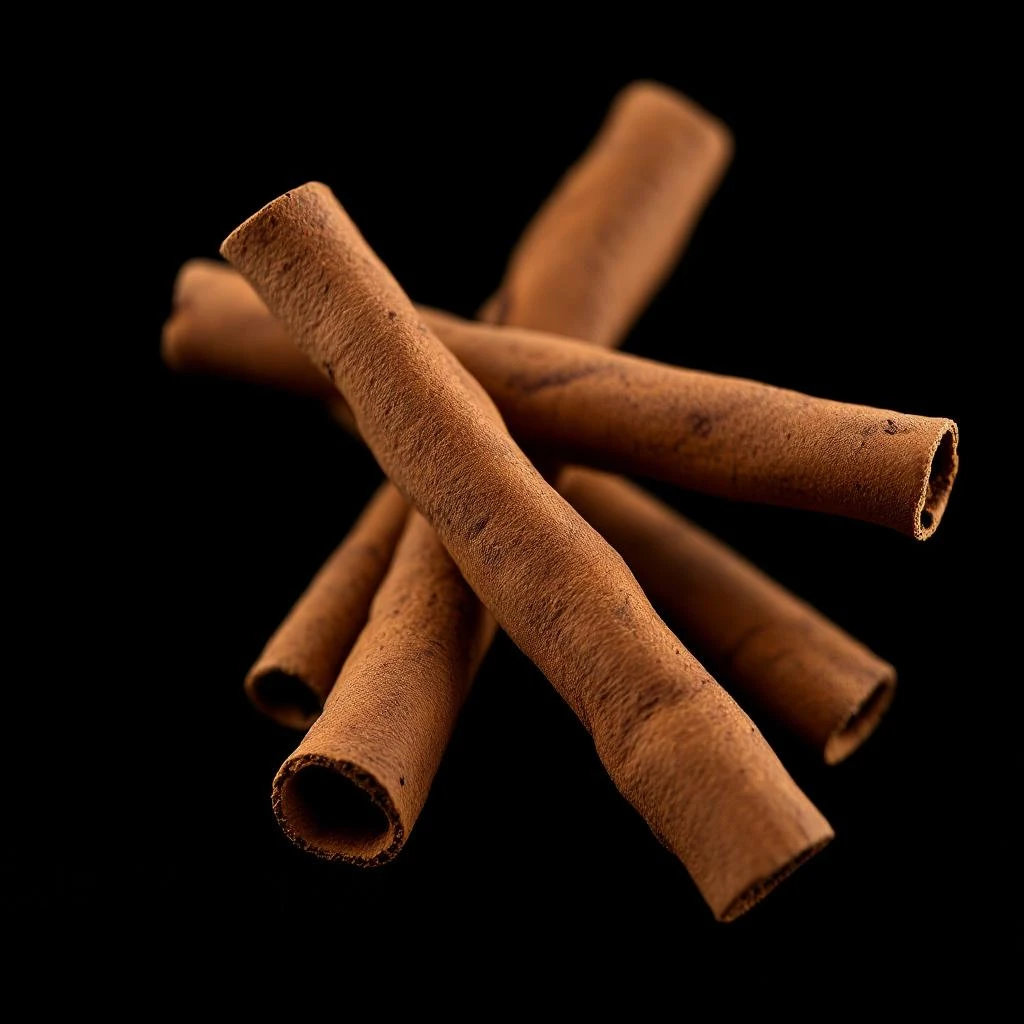
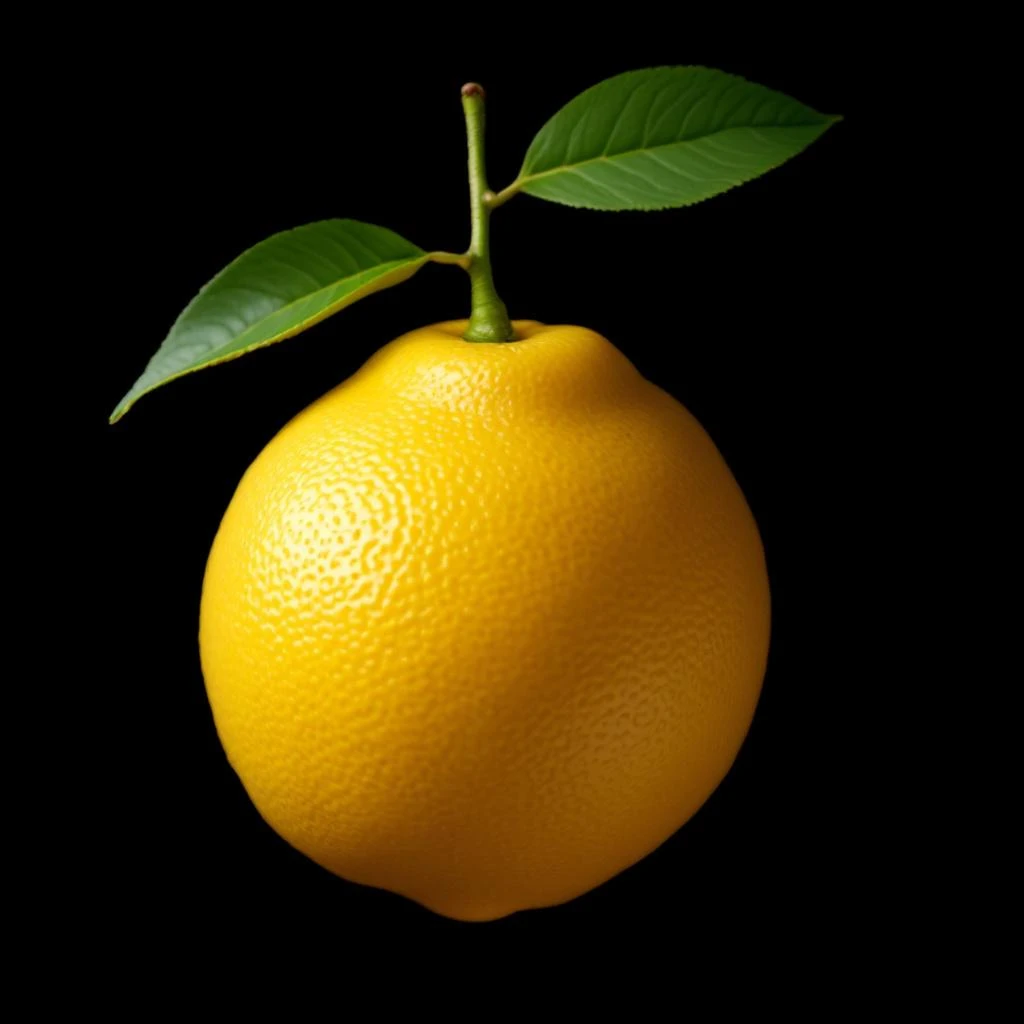
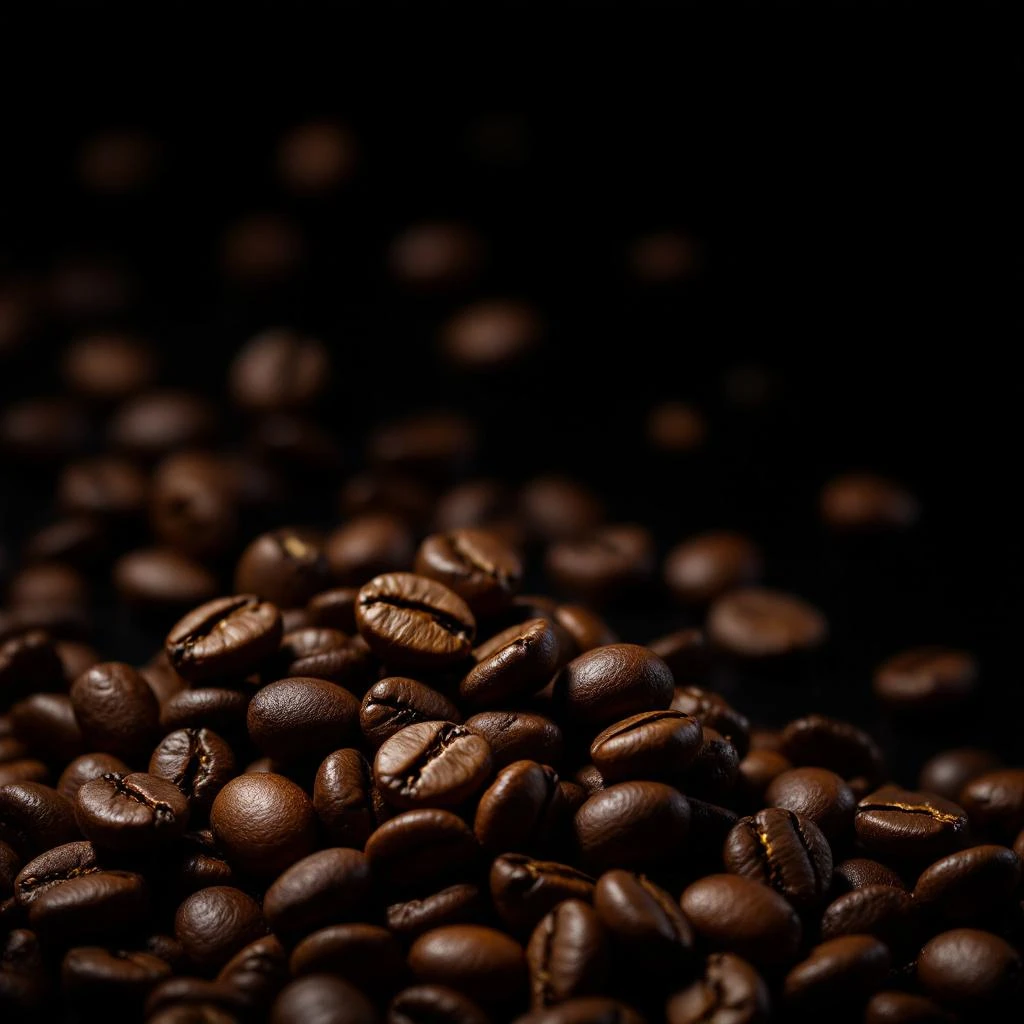
Pastel de nata pairs well with tonka bean, sandalwood, and amber for warmth. Coffee and chocolate create dessert-like combinations. Cinnamon and nutmeg add spice. White musk and cashmere wood provide modern, clean counterpoints.
How is Pastel de nata extracted?
Pastel de nata cannot be extracted because it is not a natural ingredient. Perfumers construct the note by blending vanilla absolute (steam-distilled from cured vanilla pods), benzoin resinoid (solvent-extracted from Styrax bark), and aromatic chemicals including coumarin and heliotropin.
Is Pastel de nata used in men's or women's fragrances?
Pastel de nata appears in both men's and women's fragrances. While the pastry itself has no gender, its warm, sweet character reads as gender-neutral in modern perfumery. Unisex niche fragrances frequently feature the note alongside wood and musk bases.