Paprika
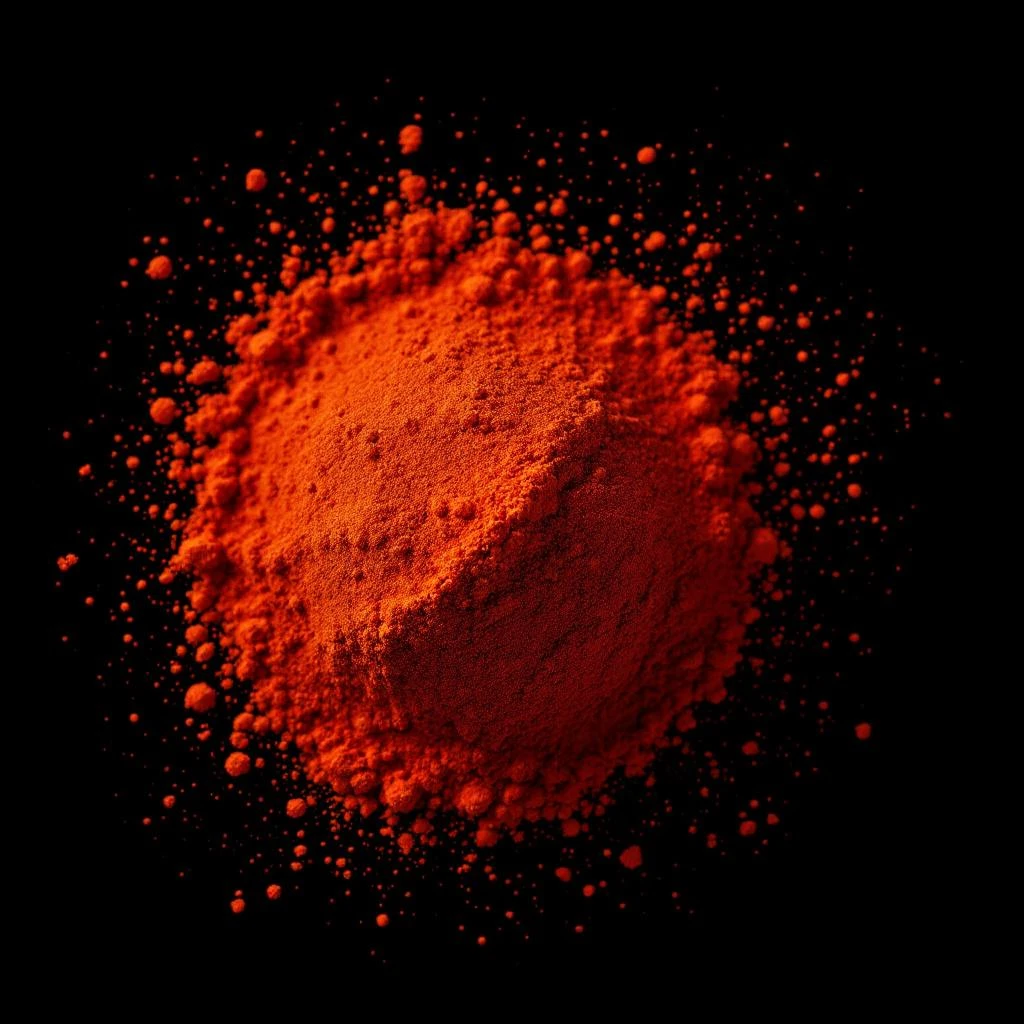
Paprika brings the warmth of a kitchen spice to the perfumer's palette. Long used in global cooking, its journey into fragrance is recent — CO2 extraction now captures the vibrant, slightly sweet, and intensely aromatic character that gives modern compositions their spicy depth.
Character
How it smells
A kitchen classic finding its place in fine fragrance.
Despite centuries of culinary use, paprika only entered perfumery in the early 2000s — it resisted conventional extraction until CO2 technology offered a solution.







Origin
Hungary
Paprika descends from chili peppers native to South America, where indigenous peoples cultivated them for thousands of years before European contact. Spanish and Portuguese traders carried Capsicum seeds back to Europe in the 16th century, where paprika spread rapidly. A pepper shortage — caused by an English trade blockade — accelerated its adoption across the continent, earning paprika the nickname 'poor man's pepper.'
It became central to Hungarian, Spanish, and North African cuisines, particularly after the Ottoman Empire introduced it to the Balkans. Despite its long culinary heritage, paprika remained outside perfumery for centuries. The spice proved difficult to extract using conventional methods.
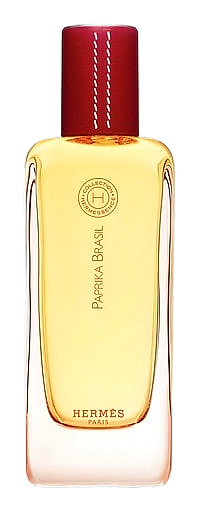
Only when CO2 extraction technology matured did perfumers gain access, and 'Paprika Brasil' — launched in the early 2000s — first brought the ingredient into the fragrance lexicon.
Wears it best
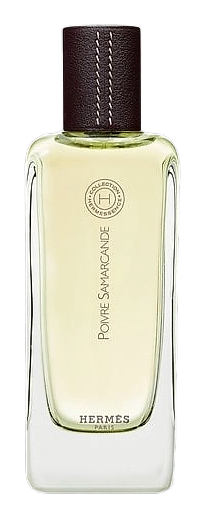
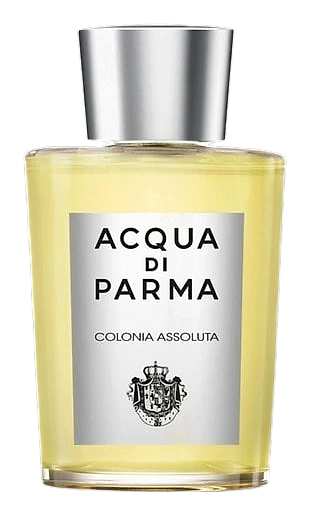
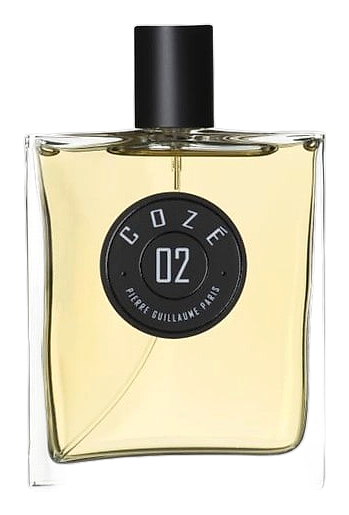
Fragrances featuring Paprika
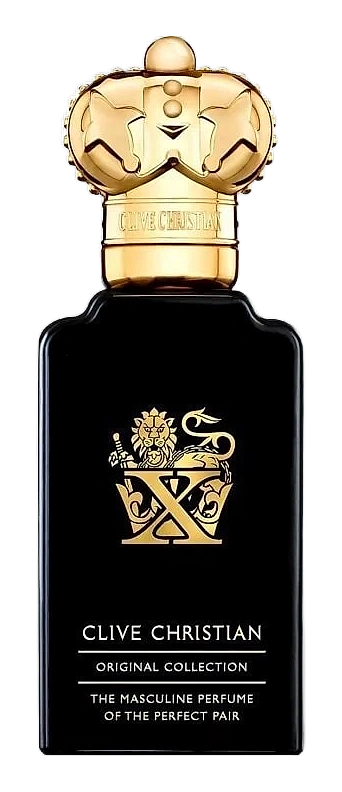
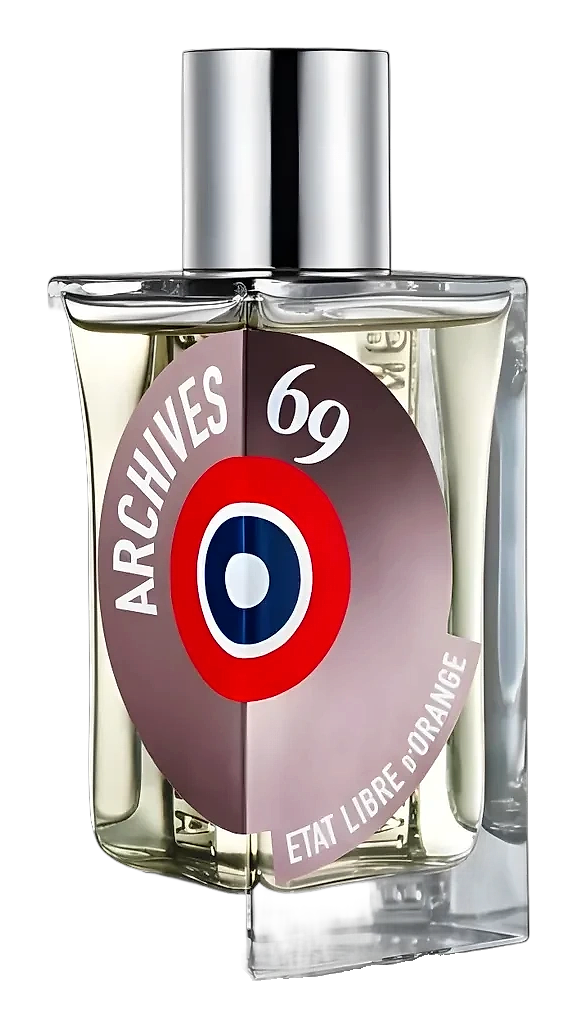
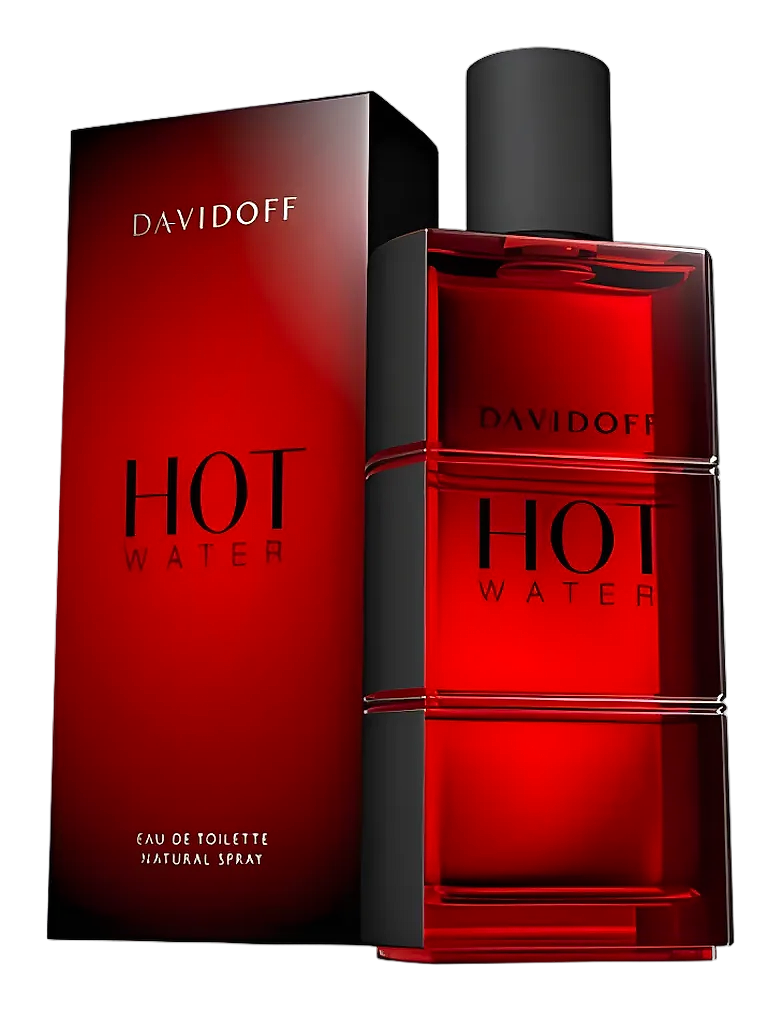
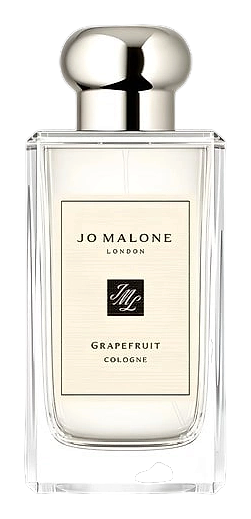
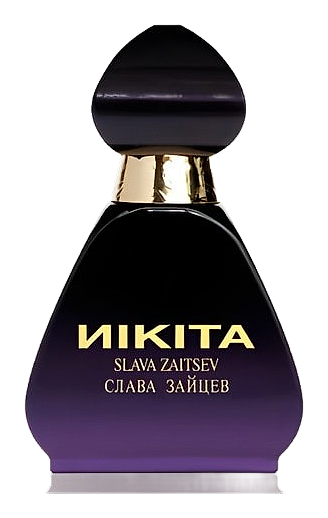
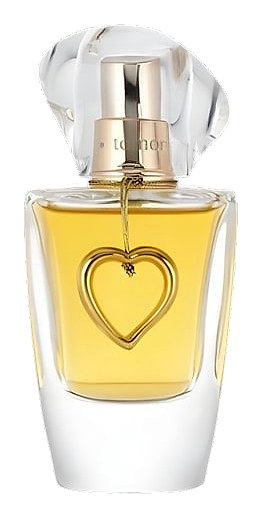
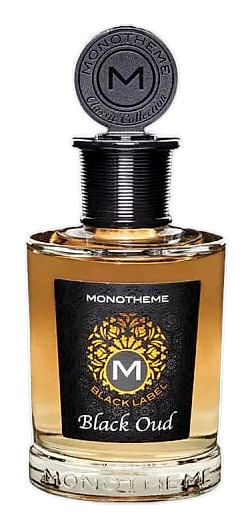
Brands
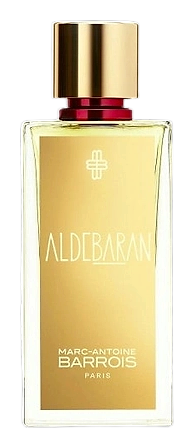
Brands known for Paprika
Good to know
Questions, answered
The essentials on Paprika in perfumery: how it smells, where it comes from, and how it behaves on skin.
What does paprika bring to a fragrance?
Paprika adds a warm, spicy character with subtle sweetness and a mildly piquant edge. Perfumers use it to inject energy and depth into fragrance heart notes.
Is paprika commonly found in men's fragrances?
Yes. Spices have a long history in men's perfumery, and paprika — with its bold, assertive warmth — appears frequently in masculine and unisex compositions.
Where is paprika for perfumery sourced?
Africa is the primary cultivation region for high-quality paprika used in fragrance. Hungary also produces prized varieties known for their deep color and rich aroma.
How is paprika extracted for use in perfume?
Supercritical CO2 extraction is the standard method. It uses pressurized carbon dioxide to pull the aromatic compounds from dried paprika pods without the heat damage that other techniques cause.
How does paprika differ from other spices in perfumery?
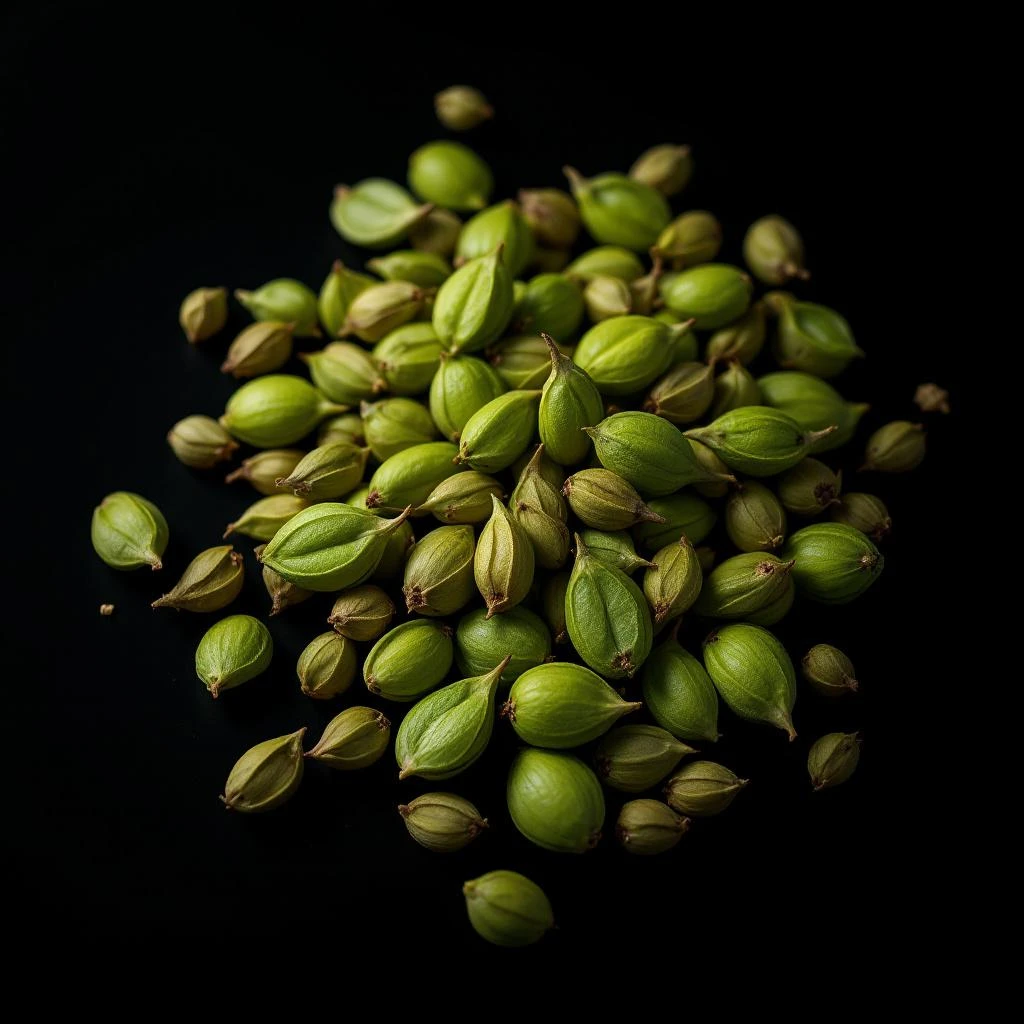
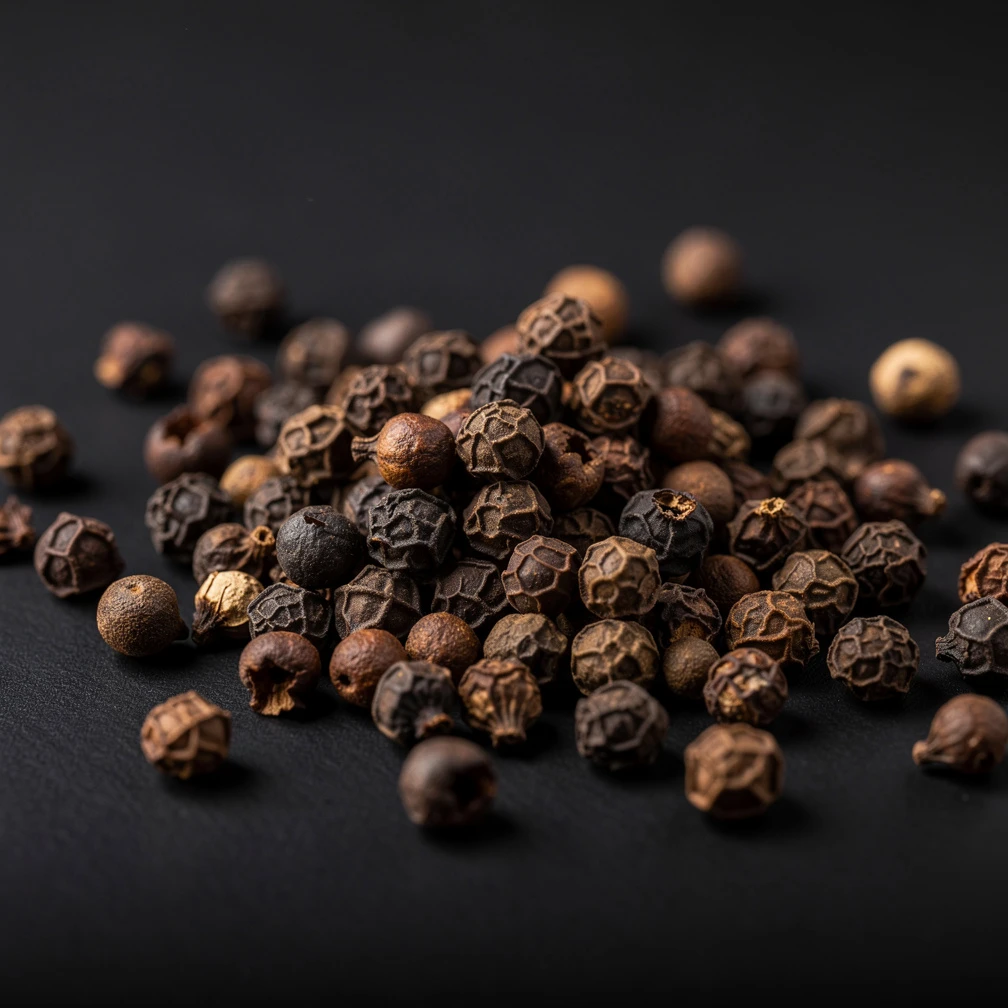
Paprika has a distinctly warm, slightly sweet edge that sets it apart from sharper spices like black pepper or cardamom. Its character reads as both culinary and vibrant.
What ingredients pair well with paprika in fragrance?
Paprika works well with woody base notes, resins, and complementary spices. Vanilla, cedarwood, and cardamom are common pairings in spicy oriental compositions.
Does paprika extract have a long shelf life?
Stored correctly in cool, dark conditions in sealed containers, paprika extract remains aromatic for several years. Oxygen and light are the primary factors that degrade it.
Are synthetic alternatives to natural paprika extract available?
Yes. Synthetic aromatic molecules that replicate paprika's warmth and spice are available for formulators who need consistency or cost control.