
Character
The Story of Papaya nectar
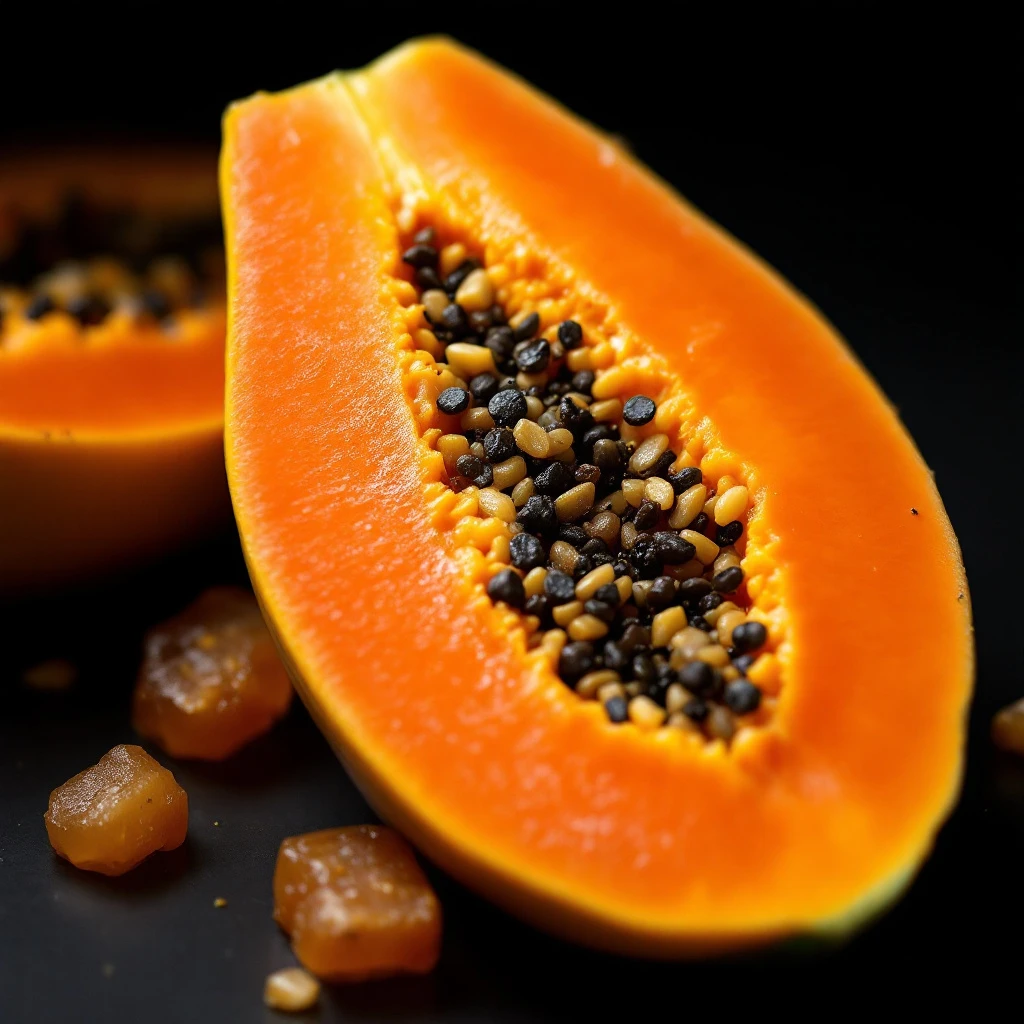
Papaya nectar captures the intoxicating sweetness of sun-ripe papaya, a fruit that has perfumed tropical landscapes for millennia. This note brings sun-drenched warmth and lush fruitiness that transports wearers to sunlit orchards the moment it touches the skin.
Heritage
Papaya originated in southern Mexico and Central America, where indigenous peoples cultivated it for thousands of years before European contact. Ancient Mesoamerican cultures valued the fruit not only as food but incorporated it into ceremonial practices, including aromatic applications. Spanish explorers spread papaya seeds throughout the Caribbean, Philippines, and into tropical Asia during the 16th and 17th centuries, transforming cultivation patterns across the Pacific. By the early 20th century, the fruit had become a staple in tropical regions worldwide. While traditional perfumery in Mesoamerica did not use papaya as a primary ingredient, the fruit's cultural significance and intoxicating scent made it a natural candidate for modern aromatic exploration. The translation of papaya into perfumery reflects our continuing desire to bottle the scents of places where sunlight itself seems to have a fragrance.
At a Glance
1
Feature this note
Mexico
Primary source region
Ingredient Details
Solvent extraction
Ripe fruit flesh
Did You Know
"Papaya contains papain, an enzyme so powerful it can tenderize meat. This same energetic quality gives papaya nectar its vibrant, almost effervescent character on the skin."