Character
The Story of Pale herbs
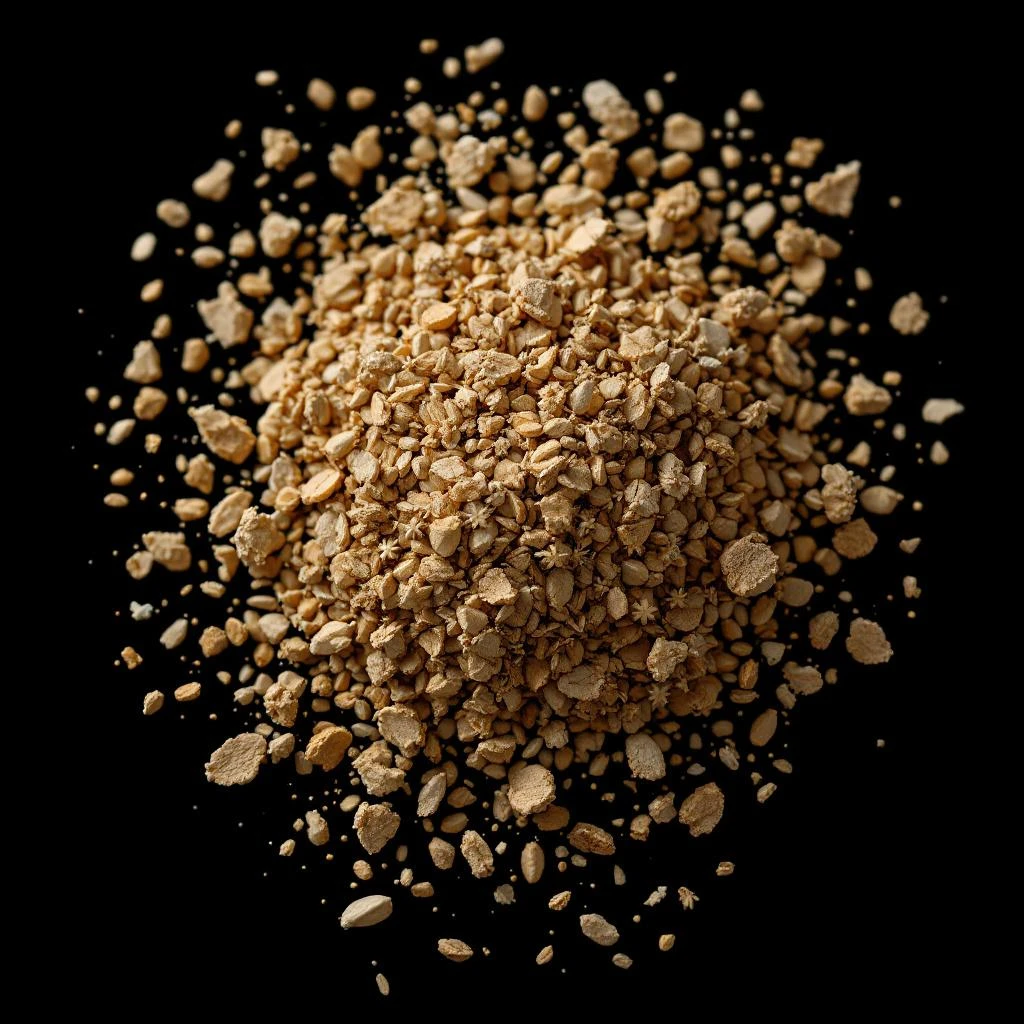
Pale herbs bring a crisp, green whisper to a fragrance, echoing freshly cut sage, thyme, and rosemary with a subtle, sun‑kissed earthiness that brightens any composition.
Heritage
Ancient Egyptians burned sage and thyme as incense, believing the smoke linked the living with the divine. Greek physicians recorded the calming effect of rosemary, using it in both medicine and personal scent. By the Middle Ages, monastic gardens cultivated pale herbs for liturgical oils, and the first written formula for a herb‑based perfume appears in a 12th‑century manuscript from France. The Renaissance saw herbal extracts mixed with ambergris, creating complex accords for aristocratic courts. In the late 19th century, chemists isolated terpene constituents, allowing perfumers to reproduce pale herb notes with greater consistency. Today, designers reference this lineage when they seek a clean, verdant accent that recalls centuries of ritual and refinement.
At a Glance
1
Feature this note
France
Primary source region
Ingredient Details
Steam distillation
Dried herb leaves
Did You Know
"In medieval monasteries, monks distilled sage and thyme to create a calming oil that later entered royal perfumery, marking the first recorded use of pale herb aromatics in fragrance."