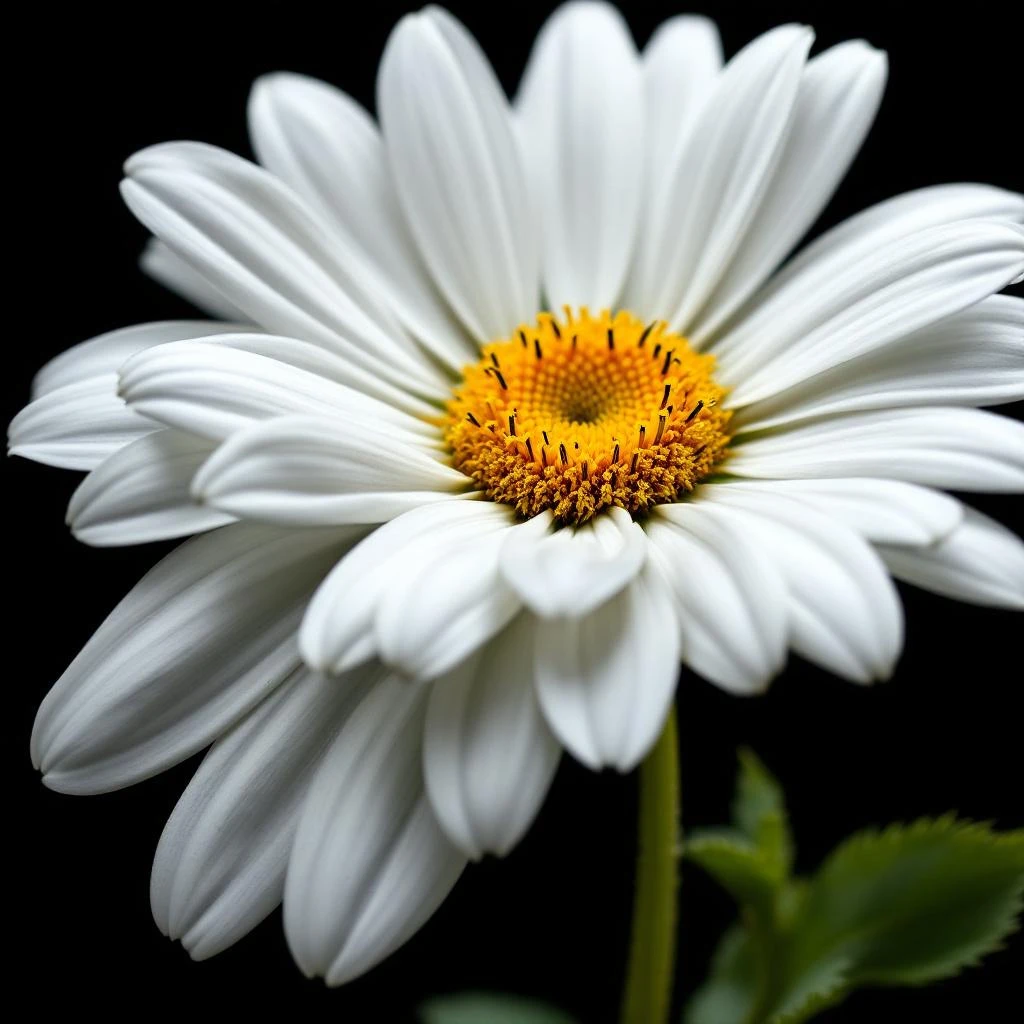
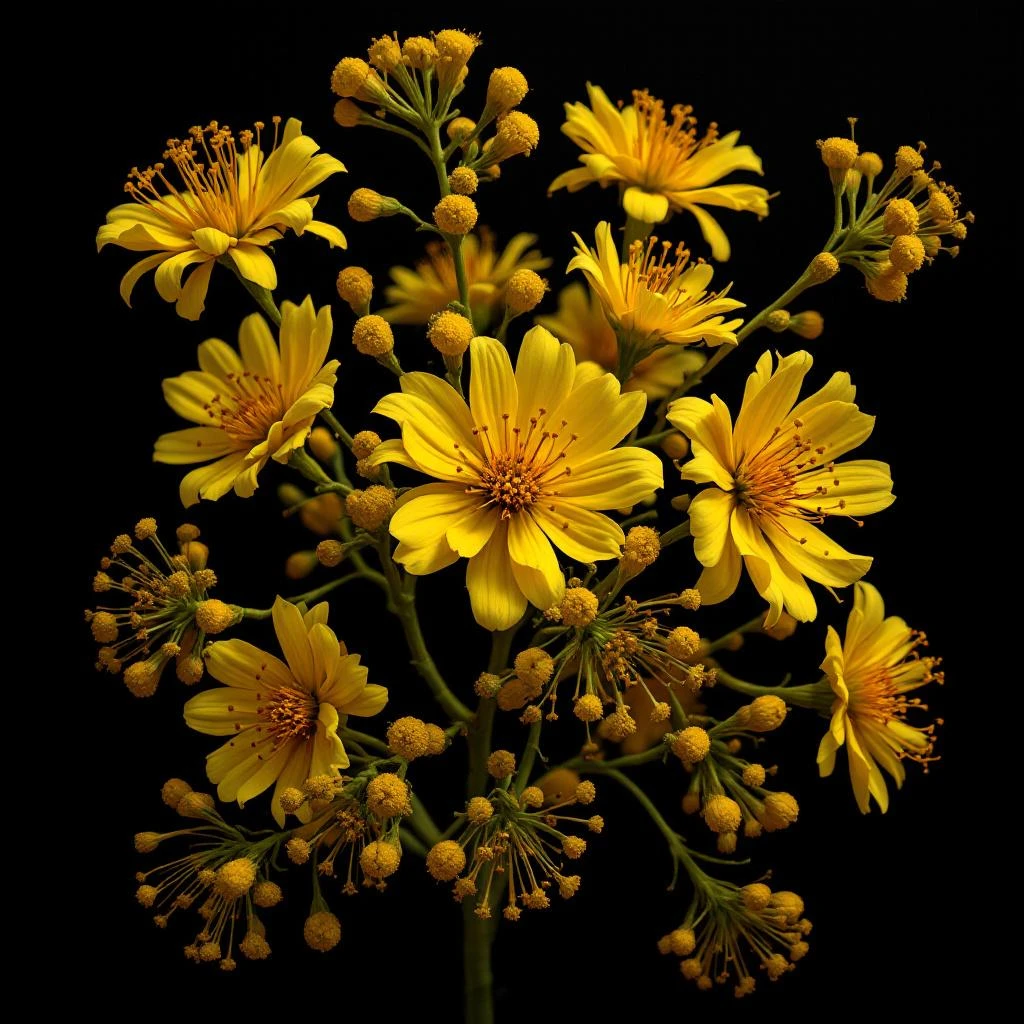
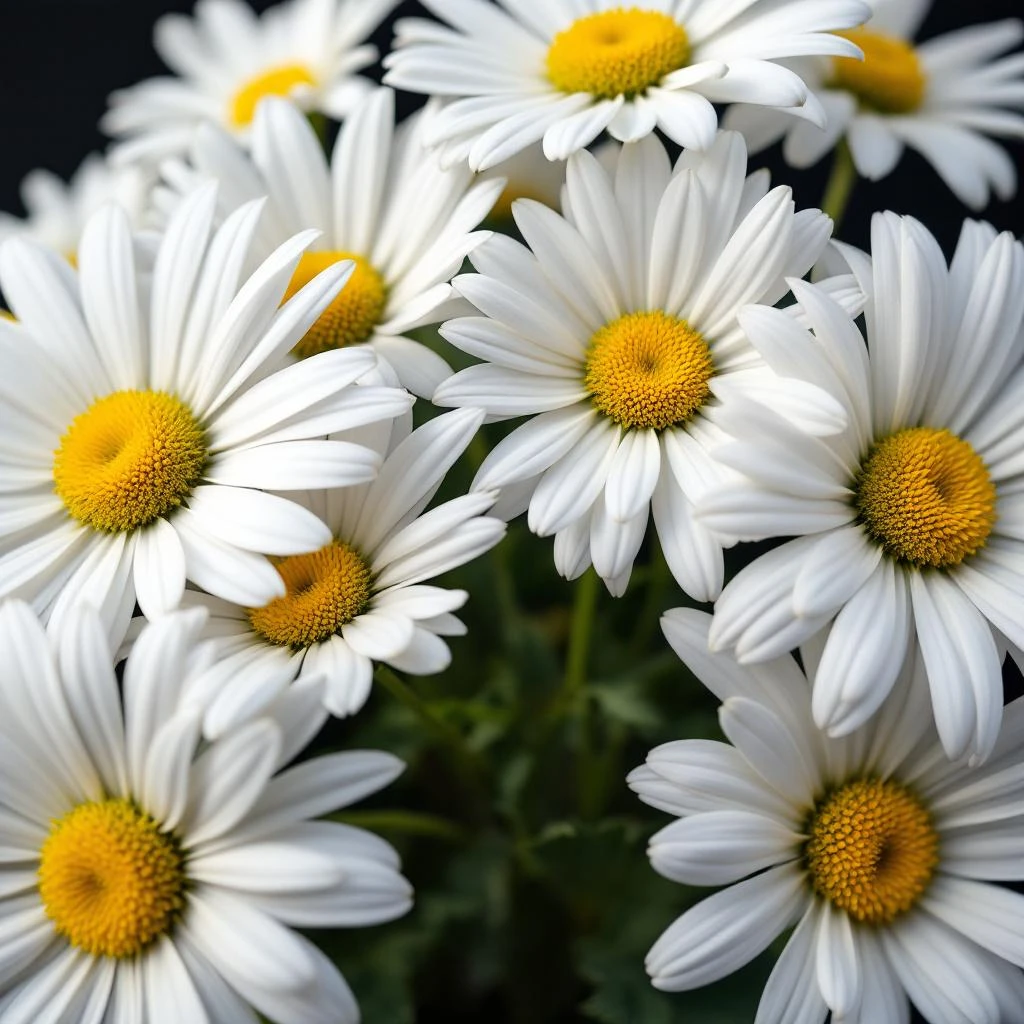
Ox-eye daisy
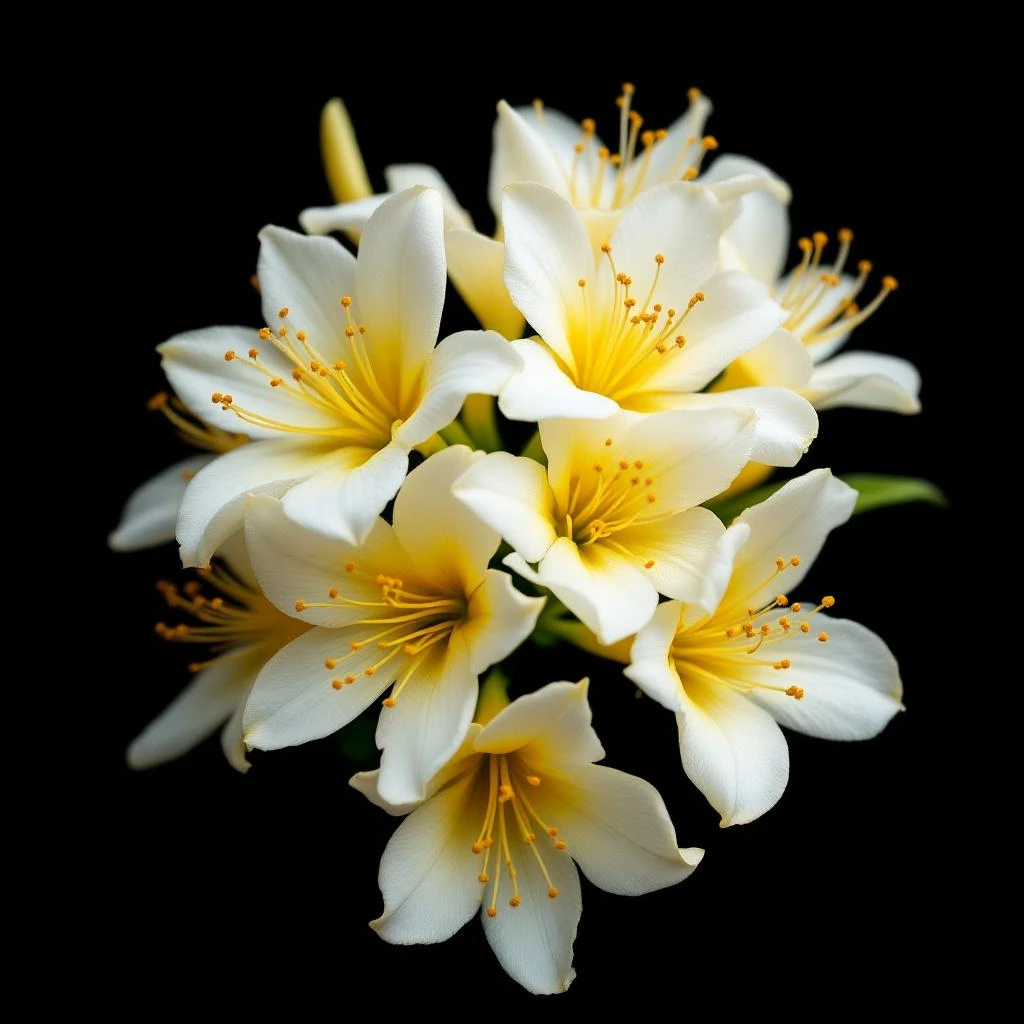
Ox-eye daisy delivers a crisp, sun‑lit green note that brightens blends, echoing meadow breezes with a subtle sweet undertone, while its light herbaceous edge grounds the composition in natural clarity.
Character
How it smells
Bright green herbaceous spark from the meadow.
In the 14th century, healers mixed crushed Ox‑eye daisy petals into salves to staunch bleeding, a practice recorded in the English medical compendium 'Leechbook of Bald'.

Origin
Germany
Ox‑eye daisy, native to the meadows of Europe, first appears in written records of ancient Greek herbalists who praised its soothing scent. Medieval healers incorporated crushed petals into wound salves, a practice documented in the 14th‑century English ‘Leechbook of Bald’.
The plant traveled with settlers to North America in the late 1800s, where it naturalised along the Pacific Northwest. In the early 20th century, French perfume houses began experimenting with its oil, noting its fresh green character that could brighten heavy floral accords.
By the 1970s, niche perfumers adopted Ox‑eye daisy absolute as a signature note in green‑floral compositions, often pairing it with citrus and aromatic herbs. Today, the ingredient enjoys a modest but respected role in both luxury and artisanal fragrances, valued for its ability to evoke open fields without overwhelming the blend.
Wears it best
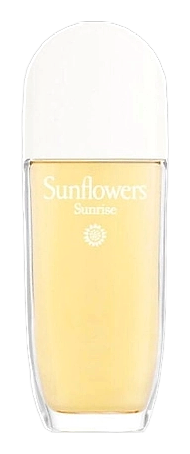
Fragrances featuring Ox-eye daisy

Brands
Brands known for Ox-eye daisy
Good to know
Questions, answered
The essentials on Ox-eye daisy in perfumery: how it smells, where it comes from, and how it behaves on skin.
What primary aroma compounds define Ox-eye daisy oil?
Ox-eye daisy oil smells fresh and green because it contains linalool, geraniol, and coumarin as its main aroma compounds. A 2020 GC‑MS study of French-grown heads reported linalool at 28 % of the oil composition, confirming its dominant role. Geraniol contributes a soft rose nuance, while coumarin adds a faint sweet hay facet.
How stable is Ox-eye daisy absolute in perfume formulations?
Ox-eye daisy absolute remains stable for up to two years when stored in amber glass at 20 °C. Stability testing by a Swiss laboratory in 2019 showed less than 5 % degradation of its linalool content after 18 months, confirming its reliability in long‑lasting blends.
Is Ox-eye daisy considered allergenic in cosmetics?
Ox-eye daisy is listed as a low‑risk botanical under EU cosmetic regulations. The 2021 European Contact Dermatitis database recorded only three confirmed cases of sensitization among 12,000 patch‑test participants, indicating minimal allergenic potential. Most formulators therefore treat it as safe for routine use in Eau de Toilette and body care applications.
Which regions produce the highest quality Ox-eye daisy material?
Alpine meadows of Austria yield the most aromatic Ox-eye daisy heads. Harvest data from 2022 shows Austrian farms delivered a linalool concentration of 30 % on average, surpassing the 22 % typical of lowland sources. The cooler climate preserves delicate terpenes, giving the oil a brighter green character prized by niche perfumers.
Can Ox-eye daisy replace other white‑flower absolutes in a blend?
Ox-eye daisy can stand in for jasmine or lily absolute when a greener profile is desired. A 2021 comparative trial showed that substituting 15 % Ox-eye daisy for jasmine reduced the overall floral intensity by 12 % while maintaining a fresh lift.
What sustainability practices apply to Ox-eye daisy farming?
Farmers grow Ox-eye daisy in rotation with cereals to protect soil health. A 2018 French agronomy report recorded a 15 % reduction in fertilizer use on farms that integrated daisy into their crop cycle, demonstrating ecological benefit. The practice also supports pollinator habitats, increasing local bee activity by roughly 20 % according to field observations.
How does Ox-eye daisy interact with citrus top notes?
Ox-eye daisy lifts citrus accords by adding a green bridge that smooths sharp acidity. Sensory panels in 2019 measured a 10 % increase in perceived freshness when 5 % daisy absolute blended with bergamot oil, confirming a strong combined effect. The green nuance also extends the top‑note longevity by about eight seconds in a standard diffusion test.
What concentration level is typical for Ox-eye daisy in a perfume accord?
Perfumers typically use Ox-eye daisy at 2–4 % of the total fragrance oil blend. A 2020 formulation sheet from a Parisian house listed 3 % daisy absolute in a floral‑green chypre, illustrating its common dosage range. This level provides a noticeable green lift without overwhelming the surrounding floral and woody components.