    Ingredient Profile

    Osmanthus Tulle accord fragrance note

    Osmanthus Tulle accord blends the luminous, apricot‑kissed bloom of Chinese osmanthus with airy musk, creating a crisp, slightly fruity flor…More

    China

    1

    Fragrances

    Fragrances featuring Osmanthus Tulle accord

    Character

    The Story of Osmanthus Tulle accord

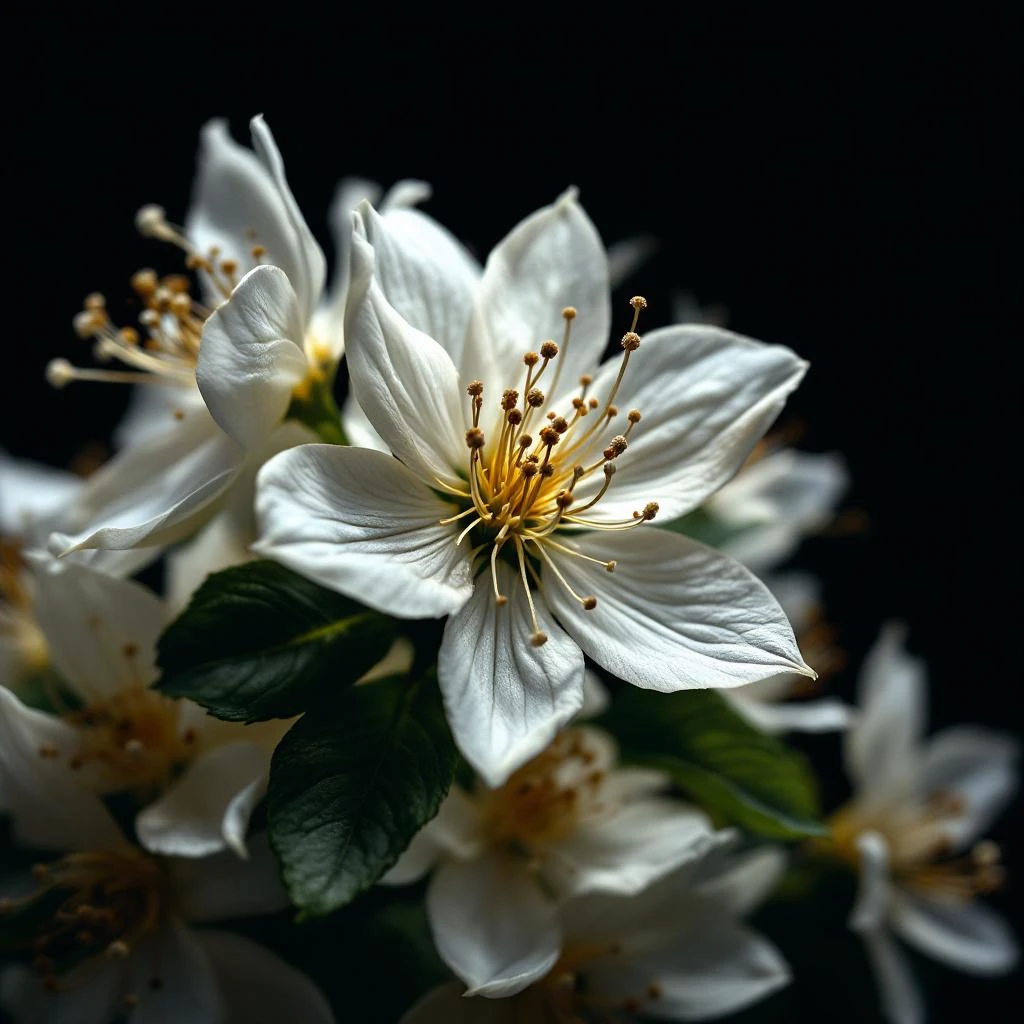
    Osmanthus Tulle accord blends the luminous, apricot‑kissed bloom of Chinese osmanthus with airy musk, creating a crisp, slightly fruity floral that feels both fresh and refined.

    Heritage

    Osmanthus has been prized in Chinese culture for centuries, appearing in poetry, tea, and traditional medicine. The flower’s name, “Guìhuā,” translates to “sweet‑scented flower,” and ancient texts describe its fragrance as a bridge between spring and summer. Western perfumery first embraced osmanthus in the early 1970s, when Jean Patou introduced the note in its avant‑garde fragrance “1000.” The scent quickly gained a reputation for its rare, apricot‑tinged bloom, inspiring niche houses to experiment with the ingredient throughout the 1990s and 2000s. In the 2010s, sustainable sourcing initiatives in Guangxi increased transparency, allowing perfumers to trace the flower from orchard to lab. Today, osmanthus remains a symbol of refined elegance, frequently paired with jasmine, tea, and citrus to create modern accords that echo its historic allure while meeting contemporary standards of quality and responsibility.

    At a Glance

    Fragrances

    1

    Feature this note

    Origin

    China

    Primary source region

    Ingredient Details

    Extraction

    Solvent extraction

    Used Parts

    Flower petals

    Did You Know

    "Osmanthus blossoms only for a few weeks each spring, yet harvesters in Guangxi shake the trees to catch the falling petals, producing enough concrete for just a handful of luxury perfumes each year."

    Production

    How Osmanthus Tulle accord Is Made

    Osmanthus Tulle accord begins with the careful collection of fresh Osmanthus fragrans blossoms in the Guangxi mountains of southern China. Harvesters wait for the brief spring bloom, then gently shake the branches to catch the falling petals on large sheets. The petals are immediately frozen to lock volatile compounds, then processed by solvent extraction. In low‑temperature ethanol, the flowers yield a thick concrete that captures the flower’s oil‑rich essence. The concrete is further washed with alcohol, filtered, and evaporated under vacuum to produce a clear absolute. This absolute forms the core of the Tulle accord. To achieve the airy, slightly fruity character, perfumers blend the absolute with a light musk base and a touch of citrus, balancing the natural intensity while preserving the flower’s delicate nuance. Sustainable practices limit each harvest to a fraction of the tree’s annual yield, ensuring the shrub continues to thrive for future seasons.

    Provenance

    China

    China23.7°N, 108.8°E

    About Osmanthus Tulle accord