


Character
The Story of Osmanthus absolute
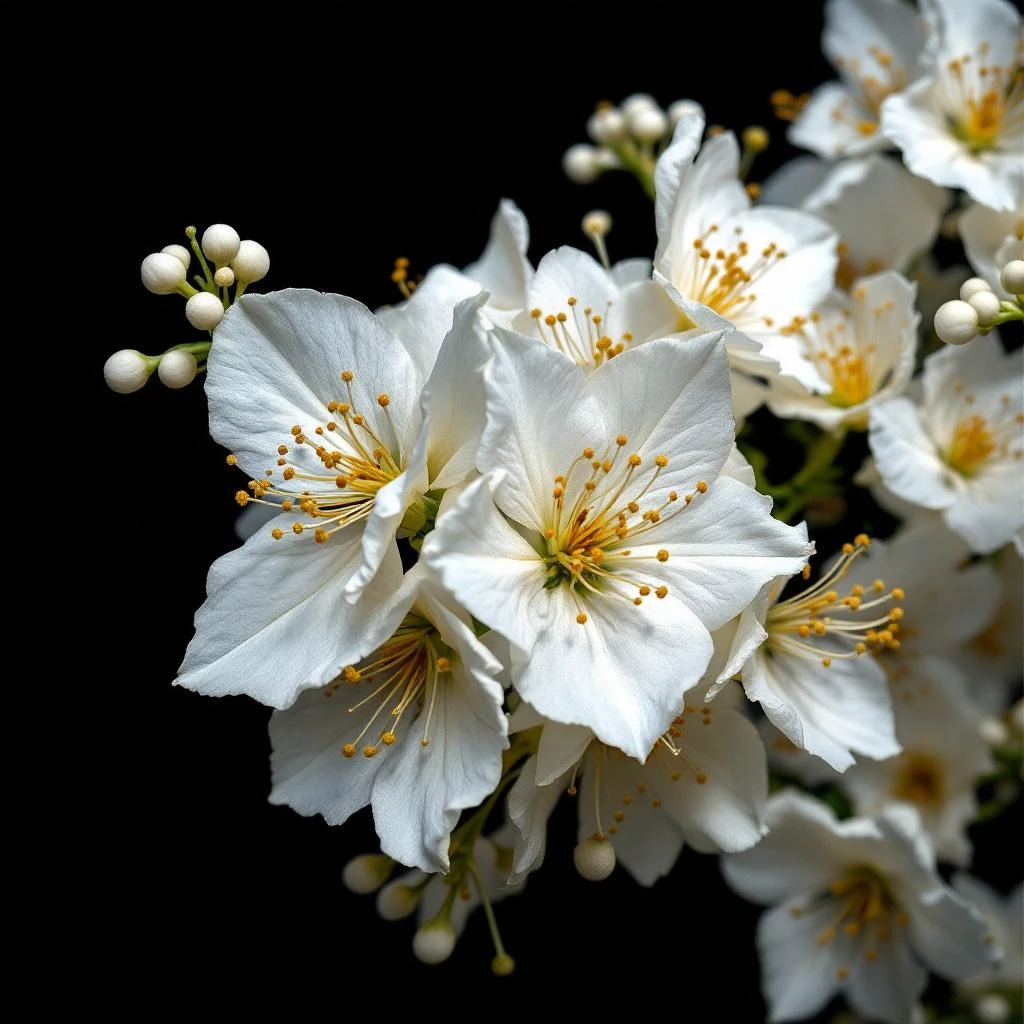
An apricot-scented absolute with unexpected depth—warm fruity notes woven through leather and a subtle animalic warmth that shifts over time. Osmanthus absolute is one of perfumery's most coveted materials, yet remains unfamiliar to most fragrance lovers.
Heritage
Chinese records place osmanthus cultivation in Guangxi province at least 2,500 years ago. The tree earned a place in Chinese gardens, poetry, and medicine long before perfumery existed as a formal industry. Emperors designated osmanthus groves as imperial property, and the flowers became central to the Mid-Autumn Festival, where their autumn bloom symbolized prosperity and reunion.
The name osmanthus combines the Greek words for smell and flower—osme and anthos—a botanical nod to its unmistakable fragrance. European traders encountered the tree through the port of Canton, where osmanthus flowers and teas infused with them had been traded for centuries. French missionaries brought plants to Europe in the mid-1800s, introducing the species to gardens beyond Asia.
Chinese extraction facilities supplying the perfume industry emerged in the twentieth century. Today, osmanthus absolute remains rare. The concentrated apricot character with underlying leather and animalic warmth makes it distinctive among floral absolutes. Its rarity and cost keep it in the toolkit of perfumers working on luxury and niche fragrances rather than mass-market products.
At a Glance
11
Feature this note
China
Primary source region
Ingredient Details
Solvent extraction
Flower petals
Did You Know
"One gram of osmanthus absolute requires roughly 1,000 individual blossoms to produce."
Pyramid Presence