
    Ingredient Profile

    Orange Oil fragrance note

    Orange oil captures the sun‑kissed zest of sweet oranges, delivering a bright, clean citrus burst that instantly lifts a fragrance, adding c…More

    Brazil

    1

    Fragrances

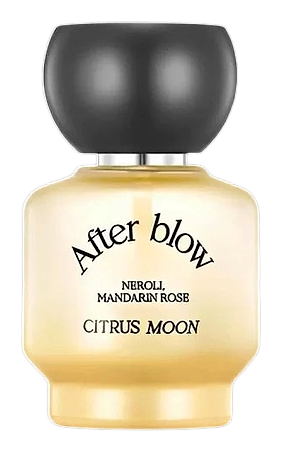
    Fragrances featuring Orange Oil

    Character

    The Story of Orange Oil

    Orange oil captures the sun‑kissed zest of sweet oranges, delivering a bright, clean citrus burst that instantly lifts a fragrance, adding clarity and natural sparkle to the blend.

    Heritage

    The story of orange oil stretches back to the early days of perfume making in the Middle East. Persian artisans first experimented with citrus extracts, but it was Arab distillers who refined the still and spread the technique across the Mediterranean. By the 16th century, orange peel oil appeared in European apothecary records as a refreshing additive. The industrial era amplified its reach: in the early 1900s, soap factories in France and England purchased orange oil in bulk to scent their products, and the oil became a staple in the emerging field of modern perfumery. World wars temporarily limited supply, yet post‑war prosperity revived demand, and Brazil's expanding orange orchards supplied the growing market. Today, orange oil remains a symbol of natural brightness, linking centuries of craft with contemporary fragrance design.

    At a Glance

    Fragrances

    1

    Feature this note

    Origin

    Brazil

    Primary source region

    Ingredient Details

    Extraction

    Cold‑press expression

    Used Parts

    Fruit peel (outer zest)

    Did You Know

    "The orange peel used for oil is a by‑product of juice production; a single litre of orange juice yields about 0.5 ml of cold‑pressed oil, turning waste into fragrance."

    Production

    How Orange Oil Is Made

    Orange oil begins its life on the orchard floor, where ripe sweet oranges are harvested at peak oil content. Workers transport whole fruits to juice facilities, where a mechanical press separates juice from peel. The wet peels enter a cold‑press expression line that crushes the zest and spins it in a centrifuge. This rapid, low‑temperature process separates the essential oil from the aqueous phase without heating, preserving volatile aromatics. The resulting oil settles in stainless steel vats, where it rests for several hours to allow residual water to evaporate. Typical yields range from 0.4 % to 0.6 % oil by weight of fresh peel, with Brazil and Italy providing the majority of perfumery‑grade supply due to their warm climate and fertile soils. After filtration, the oil is bottled in amber glass to protect it from light, ready for use in cosmetics, cleaning products, and fine fragrances.

    Provenance

    Brazil

    Brazil23.6°S, 46.6°W

    About Orange Oil