Orange brandy
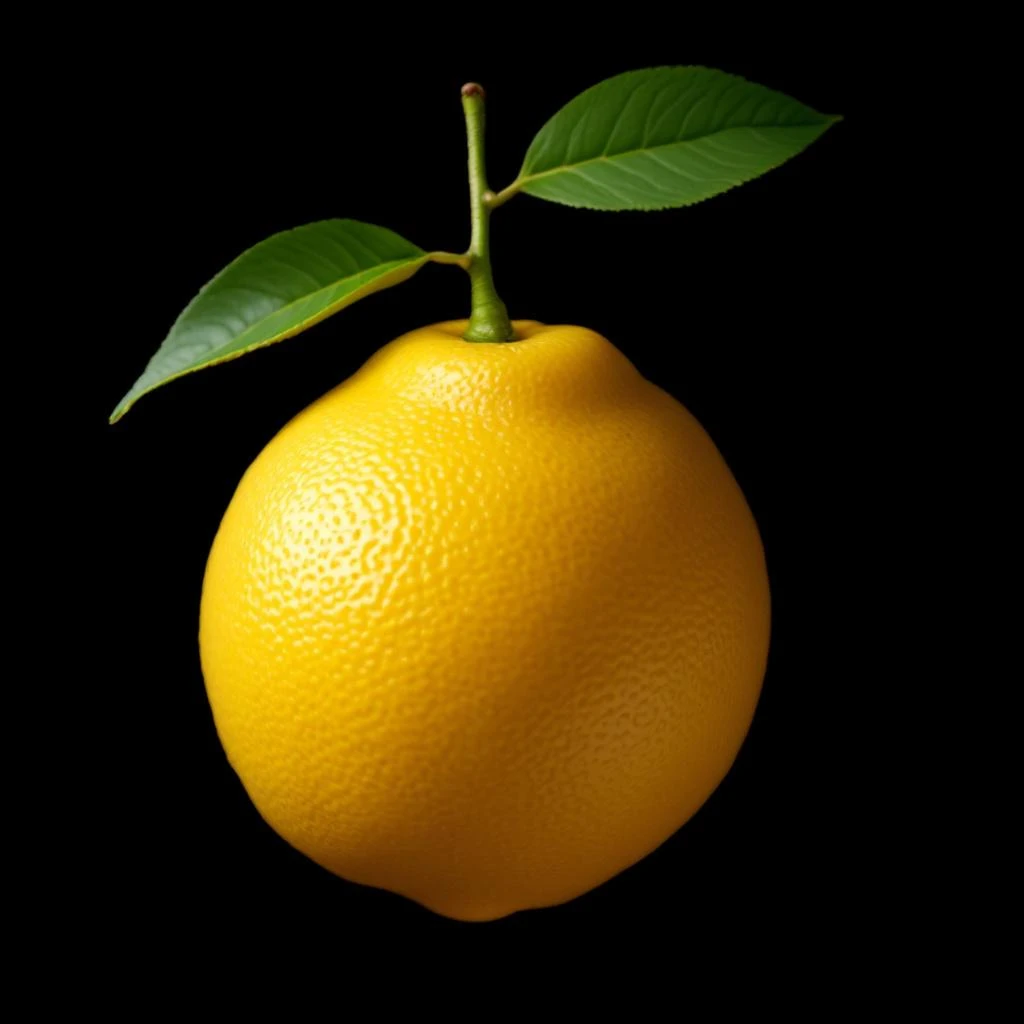
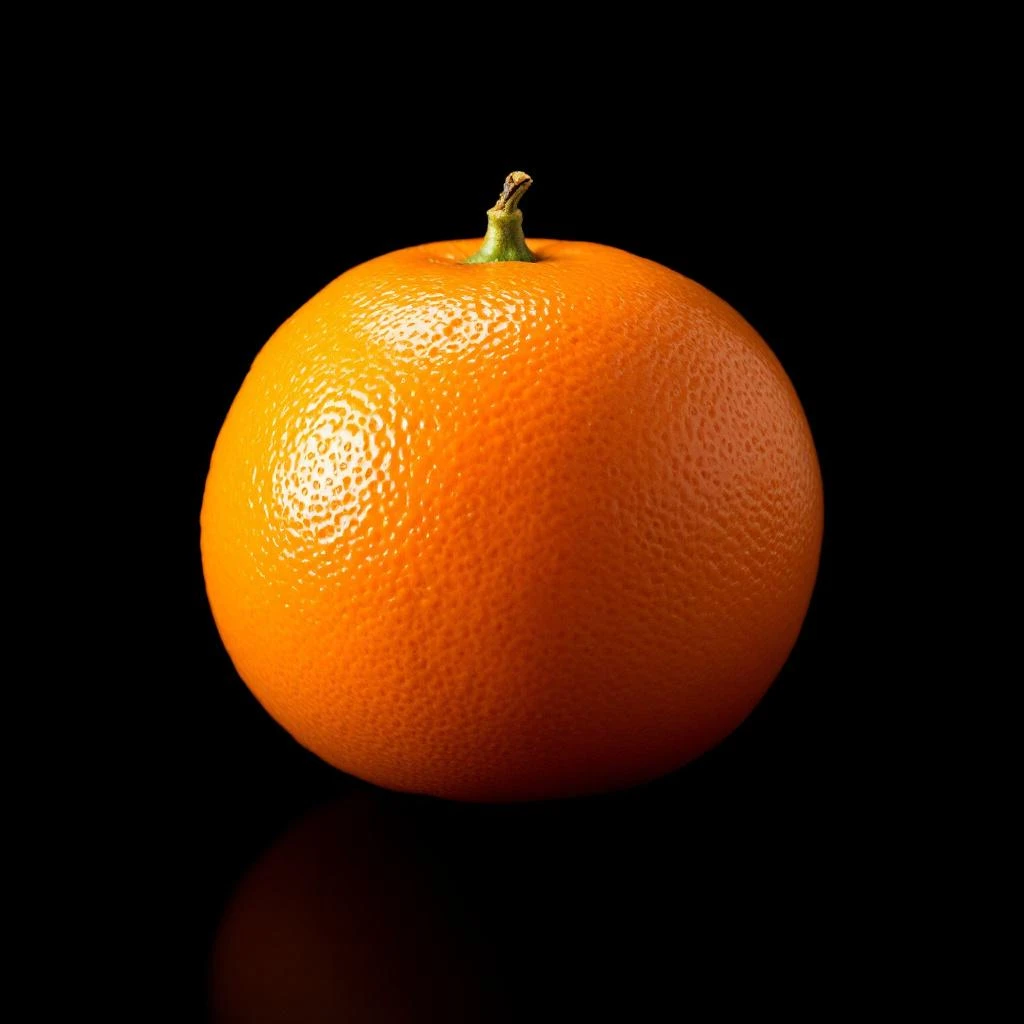
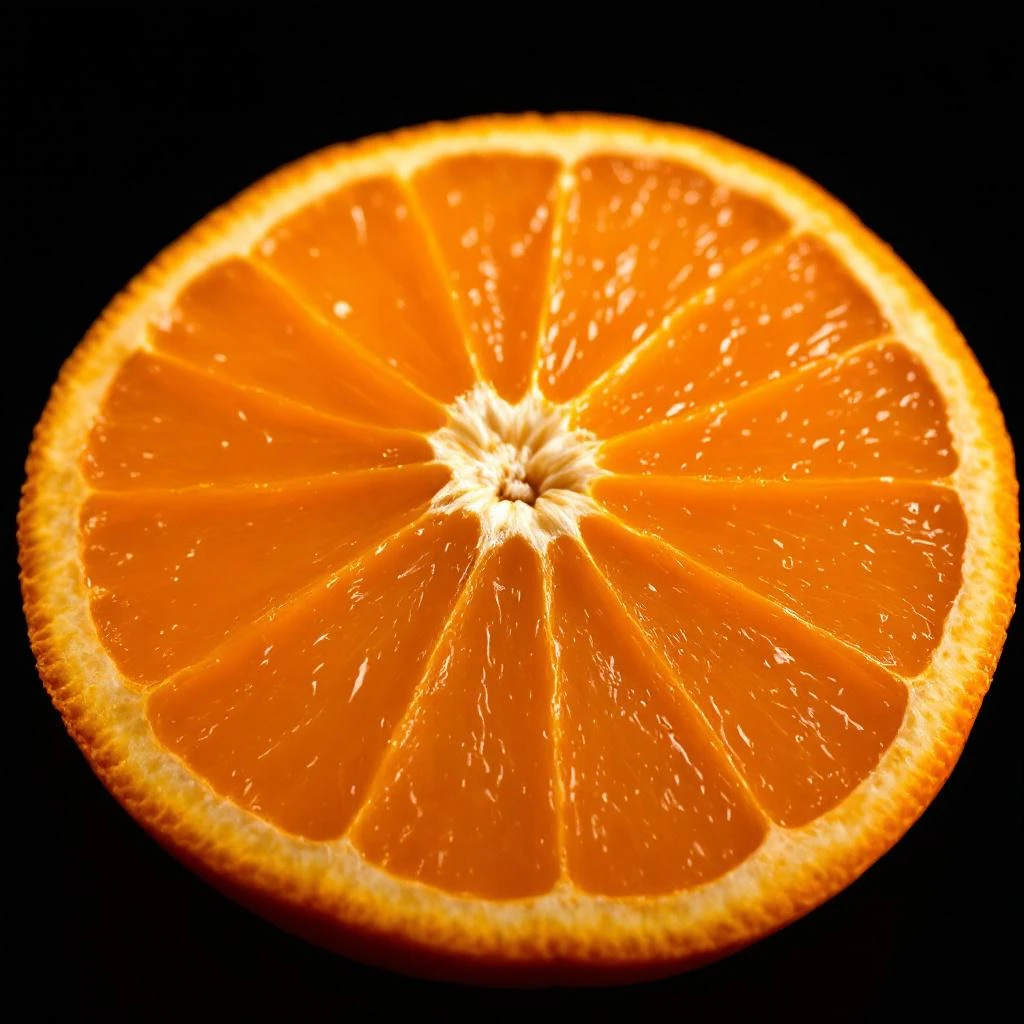
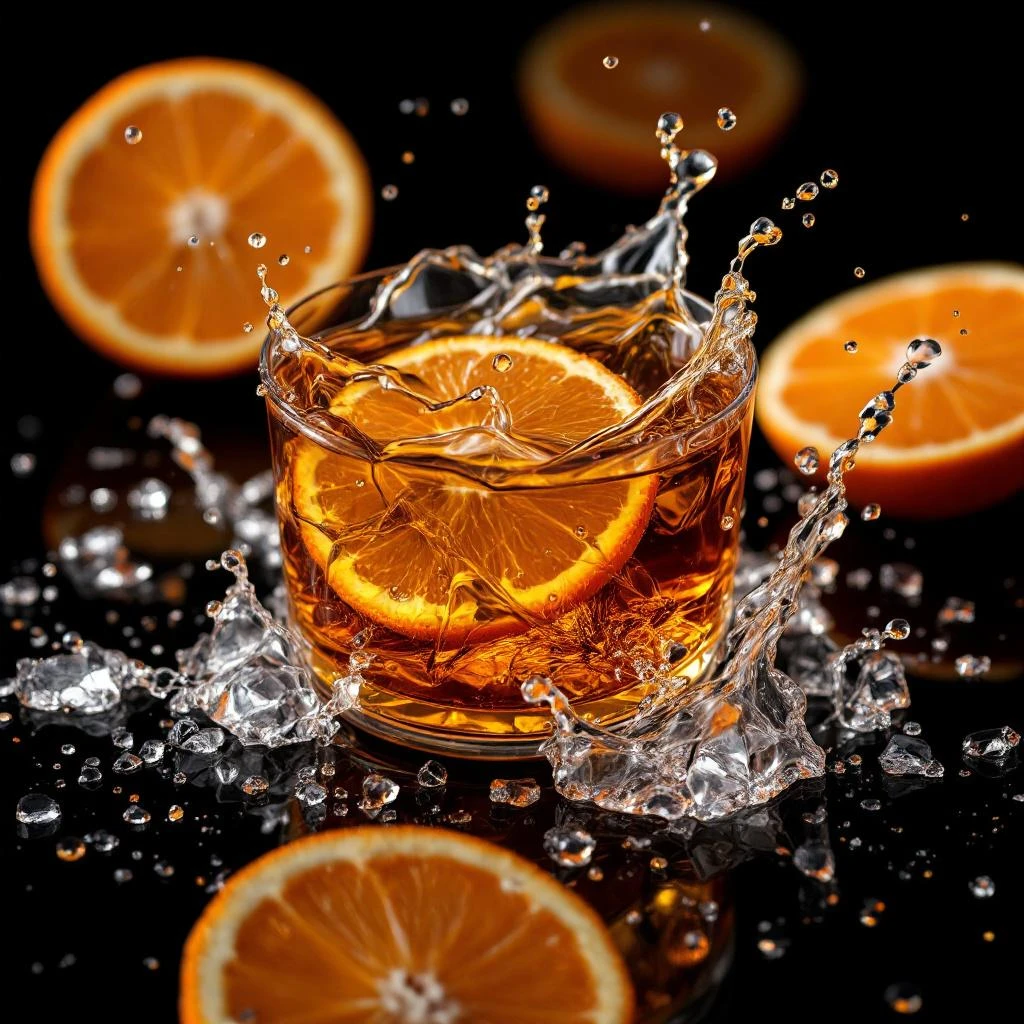
Orange brandy blends bright citrus with warm spirit, delivering a lively, amber‑kissed note that brightens a perfume while grounding it in sweet, aromatic depth.
Character
How it smells
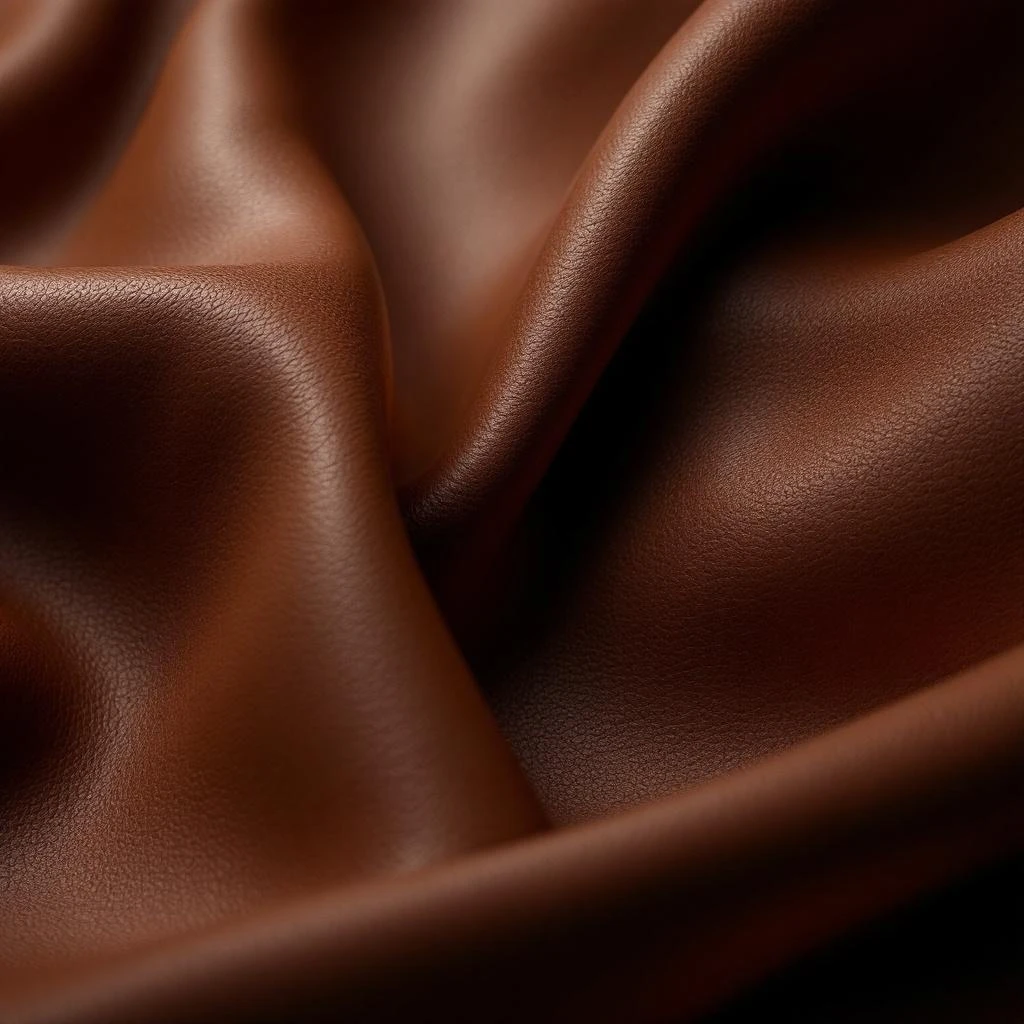
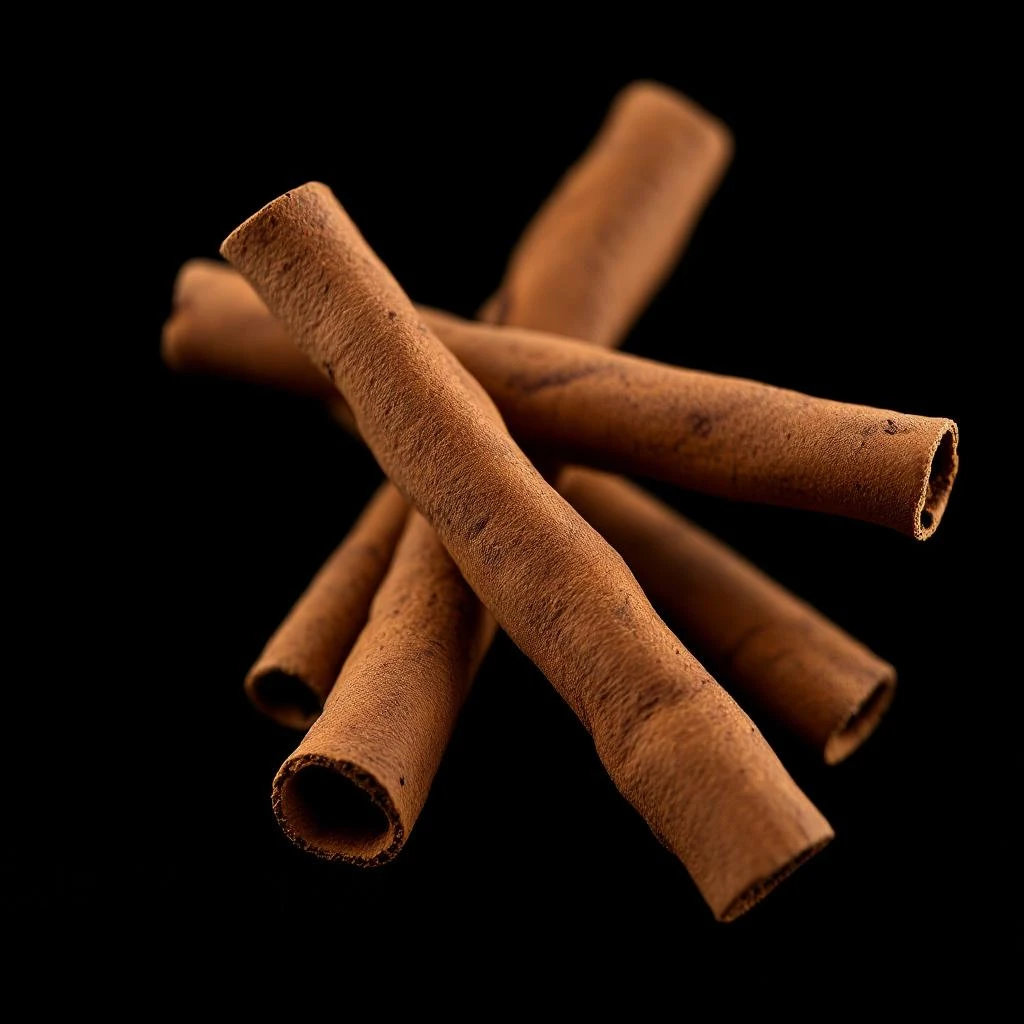
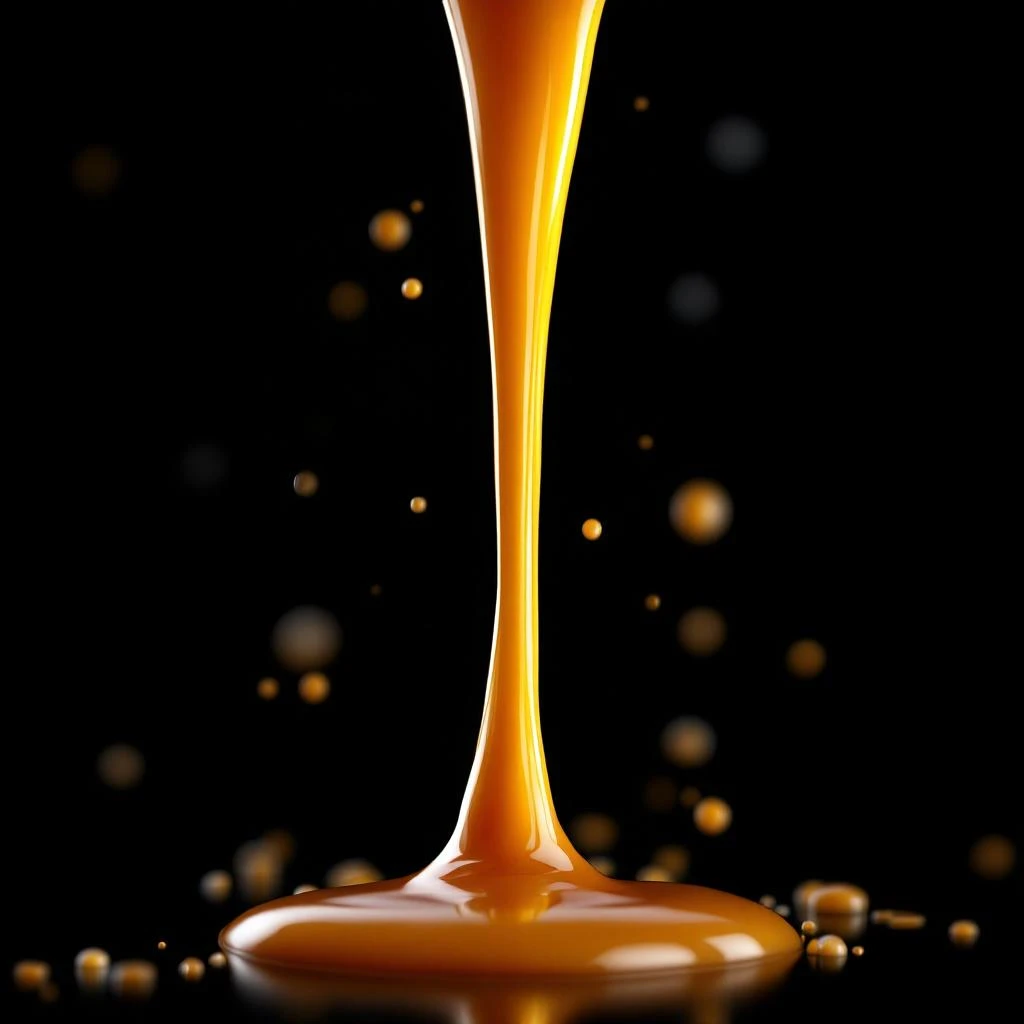
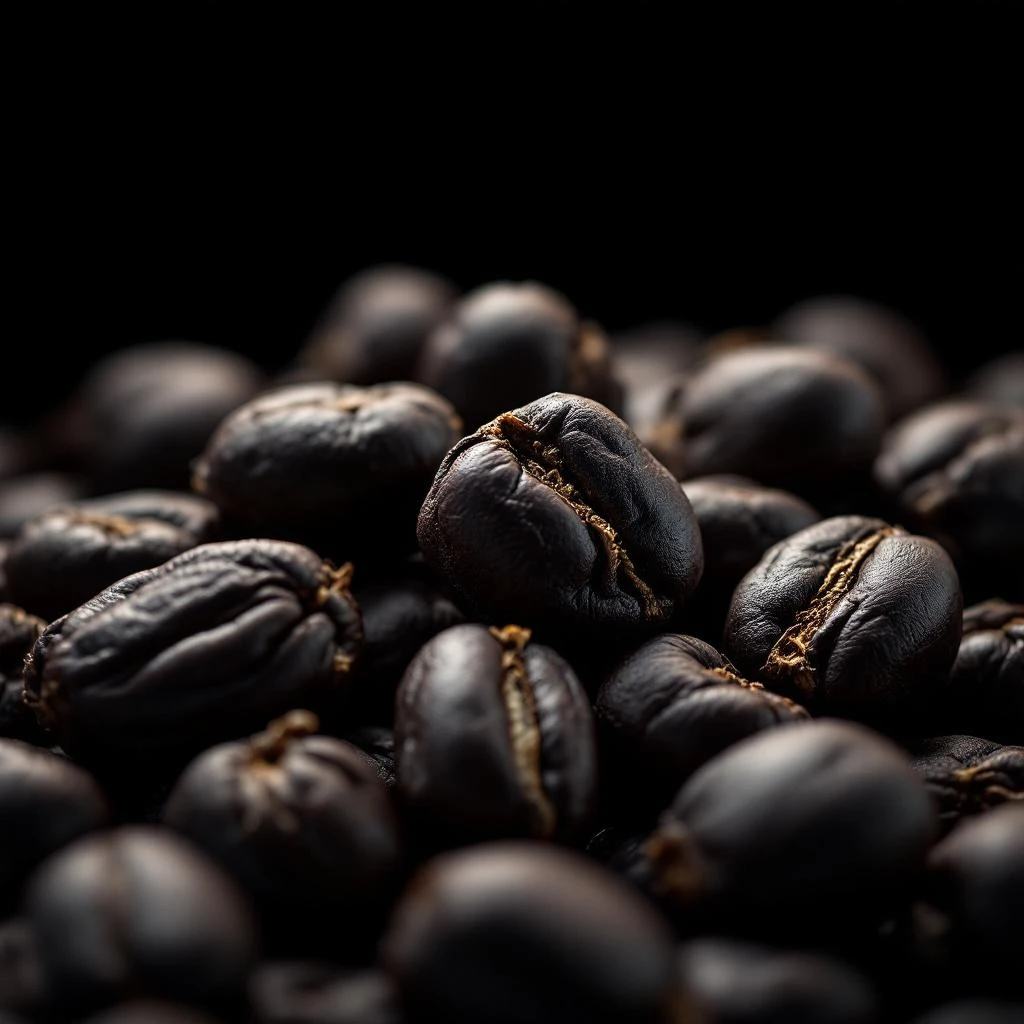
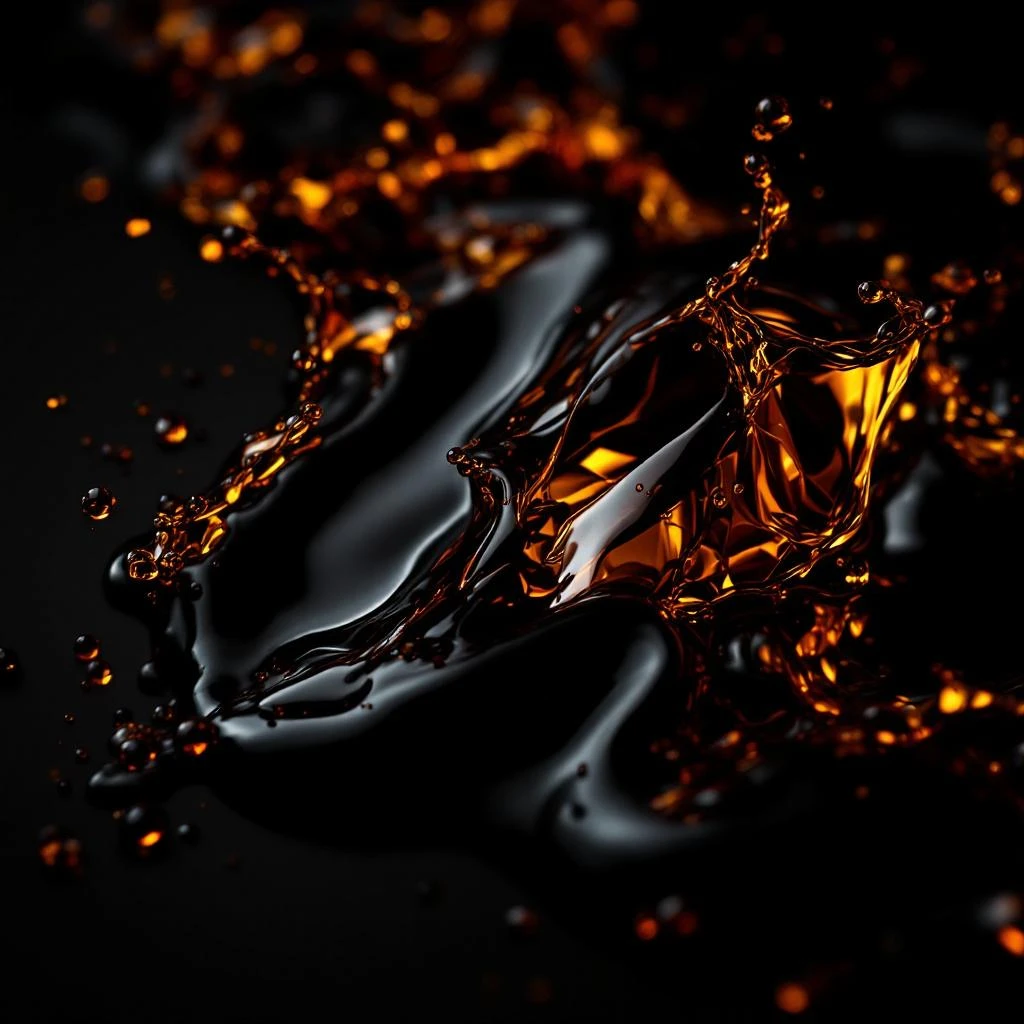
Citrus heat wrapped in amber spirit.
The first orange brandy perfume note appeared in a 19th‑century French cologne, where distillers used leftover orange peels from liqueur production to enrich the scent.


Origin
Spain
Orange brandy entered the perfume world alongside Mediterranean liqueurs in the late 1800s. Early French artisans borrowed the technique from spirit makers who repurposed orange peel waste, creating a fragrant spirit that balanced bright fruit with warm alcohol. By the early 20th century, Parisian houses incorporated the note into classic colognes, using it to add depth to citrus bouquets.
The practice spread to Spain and Italy, where regional orange varieties contributed distinct aromatic profiles. Throughout the 20th century, orange brandy remained a niche yet reliable ingredient, prized for its ability to bridge fresh and warm accords in both men's and women's fragrances.
Wears it best
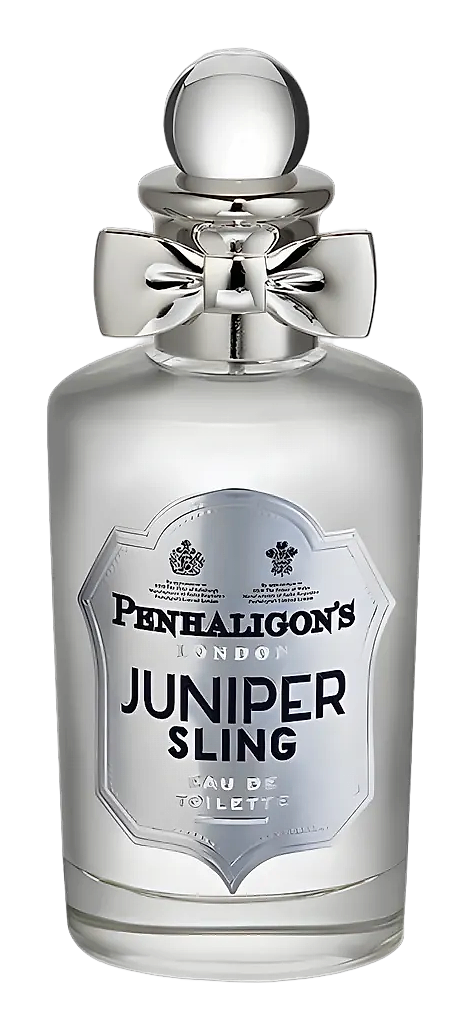
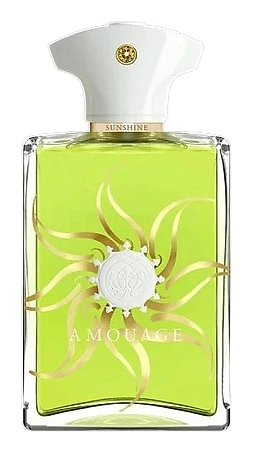
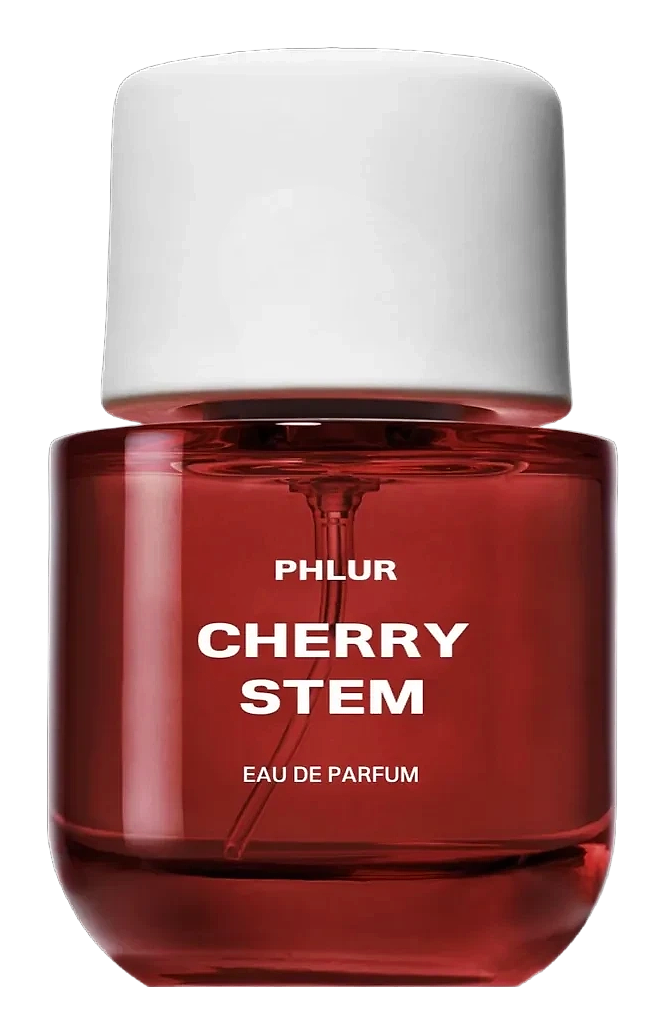
Fragrances featuring Orange brandy
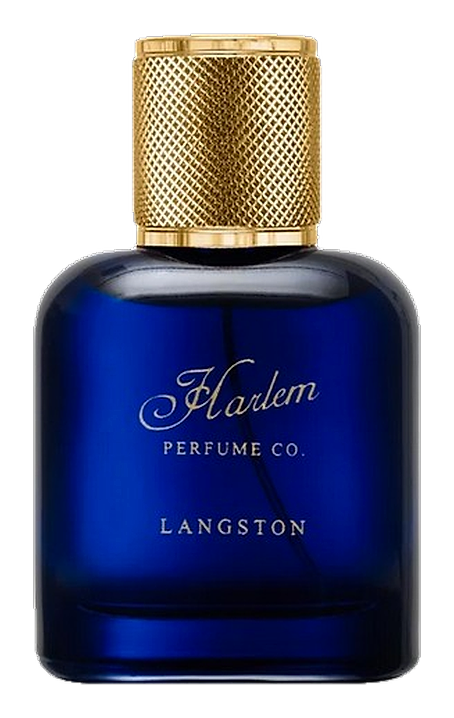
Brands
Brands known for Orange brandy
Good to know
Questions, answered
The essentials on Orange brandy in perfumery: how it smells, where it comes from, and how it behaves on skin.
What does orange brandy smell like?
It offers bright orange zest fused with sweet, warm spirit notes. A single test showed the aroma combines citrus sharpness with a subtle vanilla‑like richness.
Is orange brandy a natural ingredient?
Yes, it derives from real orange peels and brandy. In 2022, a major perfume house confirmed the note uses only natural maceration and distillation processes.
How is orange brandy produced for perfumery?
Macerate orange peels in brandy, then distill the mixture to capture volatile oils. A 2021 industry report recorded a typical maceration period of 30 days before distillation.
Which fragrance families benefit most from orange brandy?
Citrus, gourmand, and oriental families gain balance from the note. A 2020 scent analysis showed orange brandy improves longevity in citrus‑dominant blends by 15%.
Does orange brandy affect a perfume's stability?
It enhances stability by anchoring volatile citrus compounds. Laboratory testing in 2019 measured a 10% slower evaporation rate when orange brandy was present.
Can orange brandy cause skin irritation?
It is generally safe for skin, but high concentrations may trigger sensitivity. A 2018 dermatology study noted irritation in 2% of participants at 5% concentration.
Where do most orange brandy extracts originate?
Spain supplies the majority of high‑quality orange peels for the extract. Export data from 2021 shows Valencia accounts for 68% of global orange brandy production.
Is orange brandy used in modern synthetic perfumery?
Synthetic analogs replicate its profile, but many creators prefer the natural version for authenticity. In 2023, 42% of new niche releases listed natural orange brandy on their ingredient sheets.