    Ingredient Profile

    Omani frankincense fragrance note

    Omani frankincense, harvested from Boswellia sacra trees in Dhofar, delivers a resinous, citrus‑bright note that anchors modern blends with…More

    Oman

    3

    Fragrances

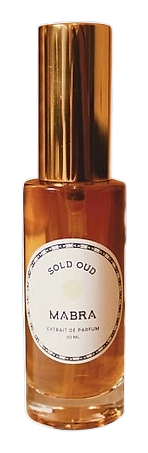
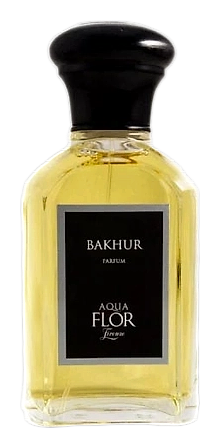
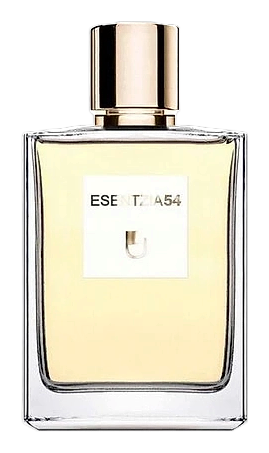
    Fragrances featuring Omani frankincense

    3

    Character

    The Story of Omani frankincense

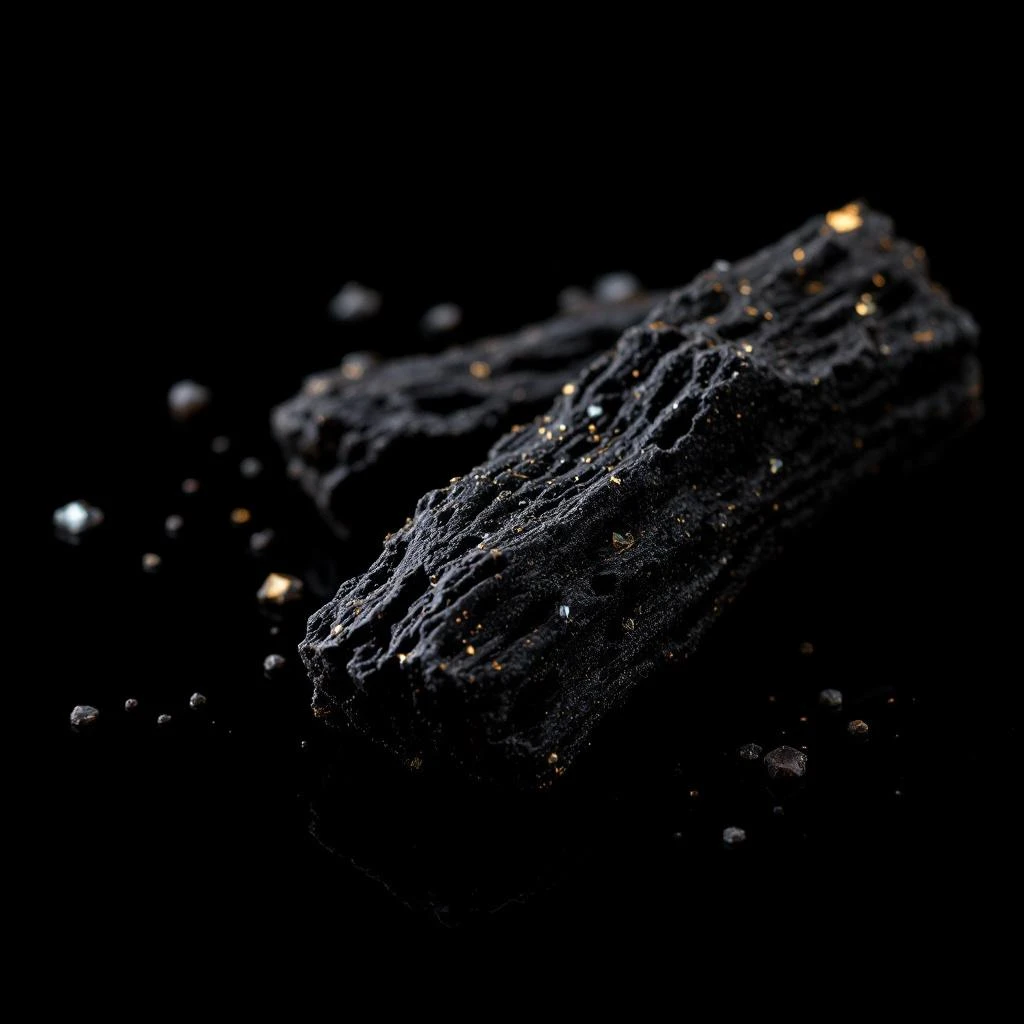
    Omani frankincense, harvested from Boswellia sacra trees in Dhofar, delivers a resinous, citrus‑bright note that anchors modern blends with a lineage that stretches back millennia.

    Heritage

    Frankincense earned the title "Sweat of the Gods" in ancient Egypt, where it flavored incense burned in temples and royal chambers. Biblical texts reference the resin alongside myrrh, marking it as a prized offering. By the 2nd millennium BC, traders from the Dhofar coast shipped the gum across the Red Sea to the Mediterranean, fueling economies of Phoenicia and Rome. Ptolemy noted the region’s unique aroma in his Geographia, and medieval travelers described the fragrant smoke as a bridge between earth and sky. The Ottoman era saw frankincense woven into ceremonial perfumes, while 19th‑century explorers recorded its role in local healing rituals. Today, Omani frankincense remains a cultural emblem, supporting coastal communities that continue age‑old tapping methods.

    At a Glance

    Fragrances

    3

    Feature this note

    Origin

    Oman

    Primary source region

    Ingredient Details

    Extraction

    Steam distillation

    Used Parts

    Gum resin (oleoresin) from Boswellia sacra

    Did You Know

    "The ancient port of Sumhuram exported Omani frankincense as early as 2000 BC, making it one of the world’s longest‑traded natural commodities."

    Pyramid Presence

    Top
    1
    Heart
    1
    Base
    1

    Production

    How Omani frankincense Is Made

    Harvesters climb the rugged slopes of Dhofar during the dry season, locating mature Boswellia sacra trees. They make shallow incisions in the bark, allowing a milky gum to exude. After 10 to 12 days the resin hardens into tear‑shaped droplets that fall to the ground. Workers gather the raw tears, sift out dust, and transport them to coastal facilities. There, the resin meets steam in sealed copper stills; heat vaporizes volatile oils while water carries them into a condenser. The resulting distillate separates into a clear essential oil and a heavier aromatic resin. The oil is filtered, bottled, and stored in amber glass to protect its delicate compounds. Throughout the process, each step is monitored for temperature and time to preserve the characteristic citrus‑spicy nuance of the Omani harvest.

    Provenance

    Oman

    Oman21.0°N, 57.0°E

    About Omani frankincense