    Ingredient Profile

    Oakmoss absolute fragrance note

    Oakmoss absolute captures the damp, forest‑floor scent of lichen‑covered oak bark, delivering a grounding, resinous note that anchors modern…More

    Slovenia

    3

    Fragrances

    Fragrances featuring Oakmoss absolute

    3

    Character

    The Story of Oakmoss absolute

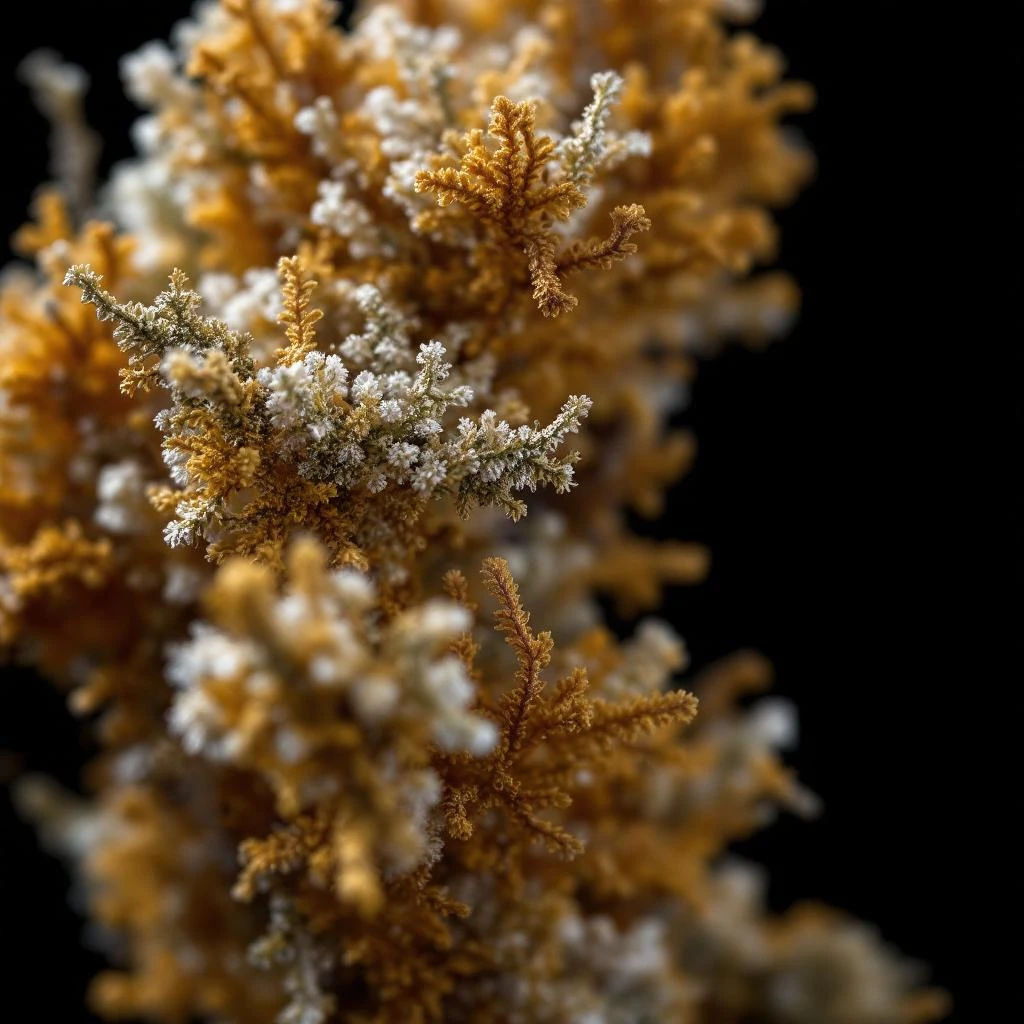
    Oakmoss absolute captures the damp, forest‑floor scent of lichen‑covered oak bark, delivering a grounding, resinous note that anchors modern compositions with earthy depth.

    Heritage

    Oakmoss entered Western perfumery in the late 19th century after French chemists began extracting its scent in Grasse. Early chypre formulas relied on the note to provide a grounding counterpoint to citrus top notes. By the 1920s oakmoss became a staple of iconic creations such as Chanel No 5 and Guerlain Jicky, cementing its role in the emerging modern style. Mid‑century, the rise of synthetic aromachemicals reduced natural oakmoss use, yet the note remained prized for its authentic forest character. In 2005 the European Union imposed concentration limits due to allergenic potential, prompting many houses to reformulate or blend oakmoss with low‑allergen variants. Despite regulation, oakmoss continues to appear in niche and luxury lines that seek a genuine, earthy foundation.

    At a Glance

    Fragrances

    3

    Feature this note

    Origin

    Slovenia

    Primary source region

    Ingredient Details

    Extraction

    Solvent extraction

    Used Parts

    Dried lichen thallus

    Did You Know

    "Oakmoss was a key component of Chanel No 5 when it launched in 1921, and its inclusion helped define the perfume’s iconic chypre character."

    Production

    How Oakmoss absolute Is Made

    Harvesters collect Evernia prunastri lichen from oak‑covered trunks in the alpine regions of Slovenia, Italy and Croatia each autumn. The thalli are air‑dried for several weeks to reduce moisture, then milled into a fine powder. The powder is macerated in ethanol for 4–6 weeks, allowing aromatic molecules to dissolve. After maceration the mixture is filtered, and the solvent is removed under reduced pressure, leaving a thick, dark concrete. This concrete is washed repeatedly with fresh ethanol to separate non‑volatile resin from volatile oil. The final wash is evaporated, producing a viscous, amber‑brown absolute that retains the lichen’s characteristic earthiness. French laboratories in Grasse refine the process, monitoring temperature and solvent purity to ensure a consistent aromatic profile.

    Provenance

    Slovenia

    Slovenia46.2°N, 15.0°E

    About Oakmoss absolute