Character
The Story of Oak wood
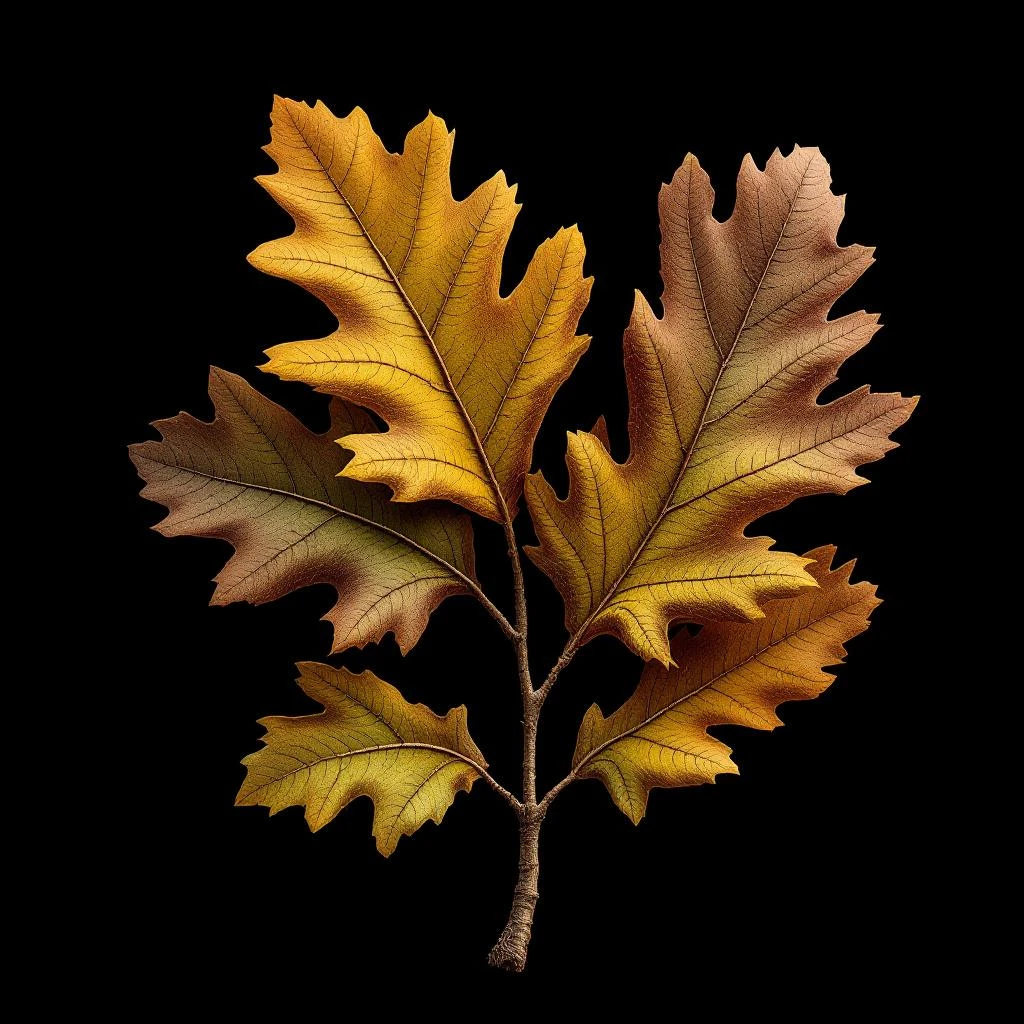
Oak wood brings woody depth and warmth to fragrances through solvent extraction of aged wood chips. The resulting absolute carries hints of vanilla, smoke, and dry earth that anchor compositions with quiet authority.
Heritage
Oak has served perfumers and distillers alike for centuries, though its role in fragrance became more defined during the 20th century. The Allier region of central France became particularly significant for perfumers, as the same forests supplying coopers for Cognac houses provided raw material for aromatic extraction. Before synthetic aroma chemicals became widespread, perfumers seeking warm woody notes relied heavily on natural oak extracts and the influence of aged wooden containers in their ateliers. The compound whiskey lactone, identified as a key contributor to barrel-aged spirits, also emerged as an important marker of quality in natural oak materials. While agarwood and sandalwood captured more attention as luxury ingredients, oak held its place as a reliable, nuanced base note that lent authenticity to fragrances claiming natural woody character.
At a Glance
6
Feature this note
France
Primary source region
Ingredient Details
Solvent extraction
Dried oak wood chips
Did You Know
"The same French oak barrels that age Cognac and whiskey in the Cellar de la Propiedad also yield the absolute used in fine perfumery."
Pyramid Presence