



Character
The Story of New Caledonian Sandalwood
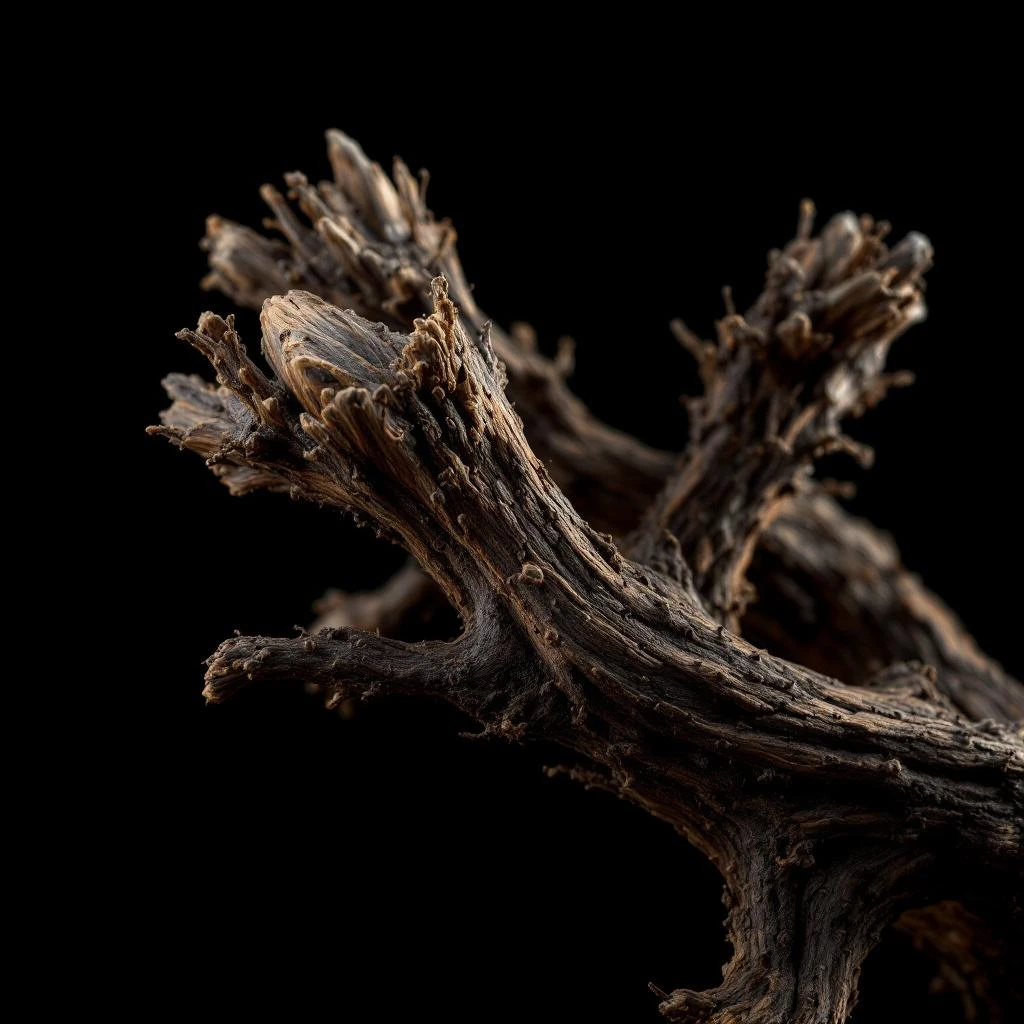
The warm, creamy heartwood of Santalum austrocaledonicum from New Caledonia's Loyalty Islands. Harvested only after decades of growth, this rare sandalwood offers the classic milky, woody richness perfumers seek, with a provenance story as compelling as its scent.
Heritage
Sandalwood traders arrived in New Caledonia in the 1840s, drawn by the abundance of Santalum austrocaledonicum in the Loyalty Islands. Over the following century, they extracted roughly 8,000 tons of the wood, an extraction rate that eventually prompted protective legislation. Today, harvesting is tightly regulated. Trees may only be cut after three to five decades of growth, and for every tree harvested, three are replanted. This replacement model, uncommon in other sandalwood-producing regions, reflects how deeply the resource is woven into local conservation strategy. The species itself is endemic to New Caledonia, which means it grows nowhere else on Earth. This geographic isolation has shaped a distinctly complex aroma profile, one that perfumers value for its warmth and creaminess. New Caledonian sandalwood gained wider recognition in the 20th century when it appeared in landmark fragrances, notably Chanel Bois des Iles in 1927 and Guerlain Samsara in 1929. Both house perfumers were drawn to its rich, rounded character, a quality that holds up whether used as a quiet base or a commanding centerpiece.
At a Glance
6
Feature this note
New Caledonia
Primary source region
Ingredient Details
Steam distillation
Dried heartwood, bark, and roots
Did You Know
"Traders extracted roughly 8,000 tons from the Loyalty Islands in the 1800s before conservation efforts began."
Pyramid Presence