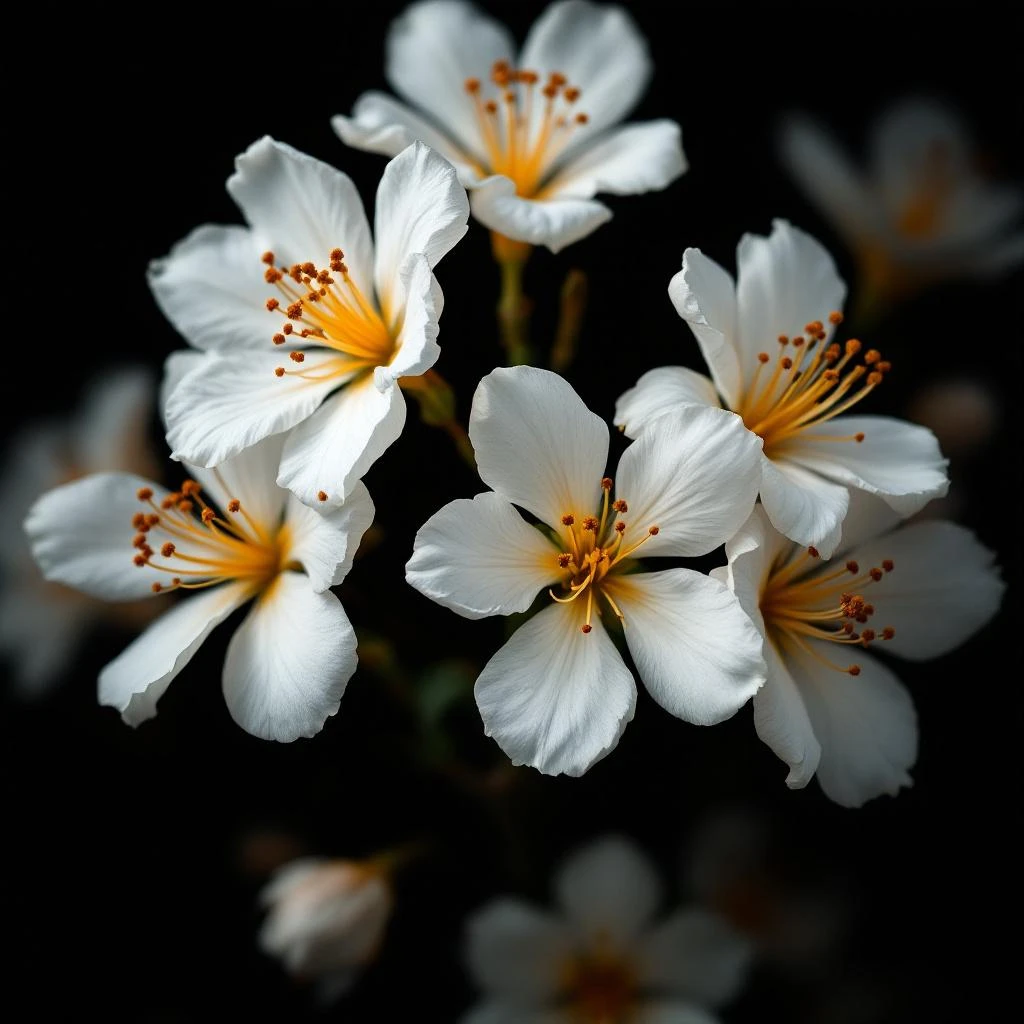
Neroli Water
Clear and fragrant, Neroli water is the hydrosol obtained when steam‑distilled bitter orange blossoms release their essence into water. The result is a luminous citrus‑floral veil that lifts skin, adds sparkle to light perfumes, and preserves the delicate character of the original bloom.
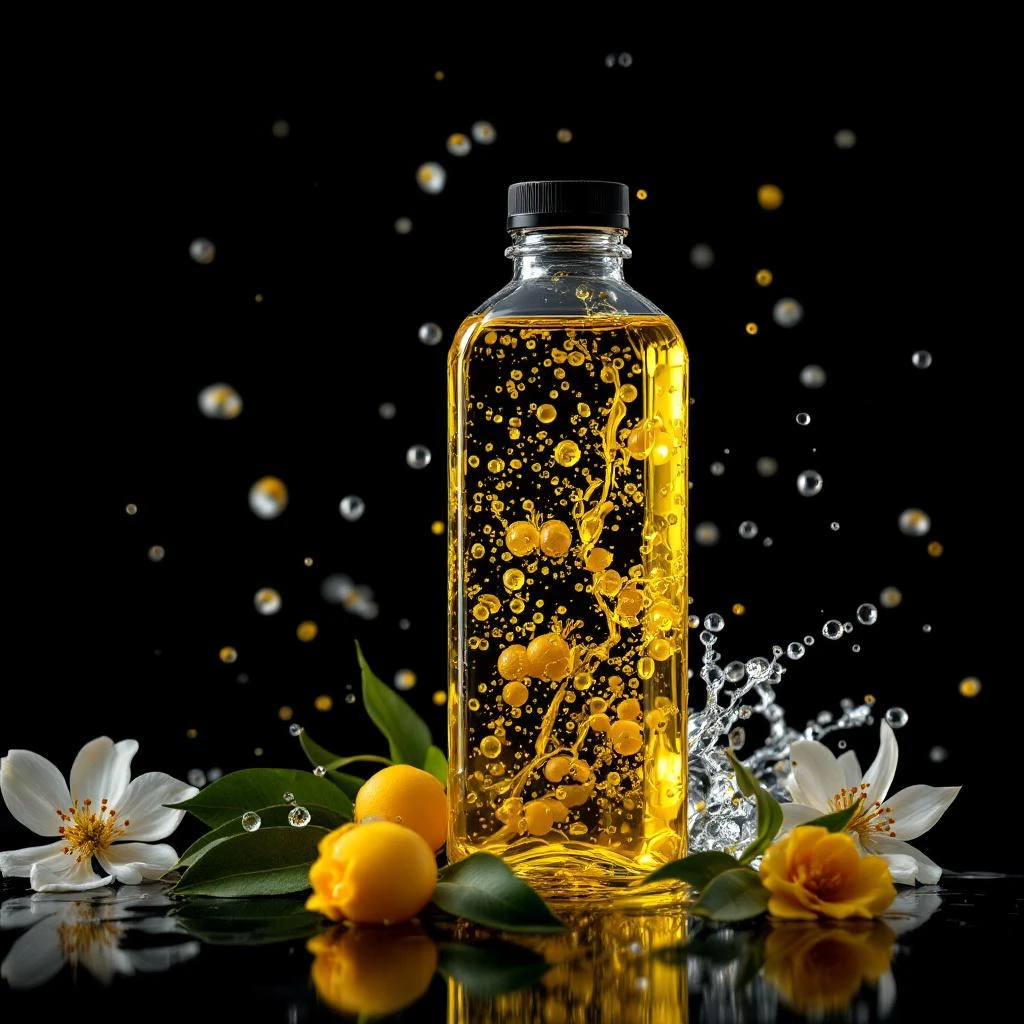
Character
How it smells
Citrus‑floral clarity in a crystal‑clear mist.
When the first batch of Neroli water was produced in the 1700s, perfumers measured its yield at roughly 3 % of the total distillate, meaning a single kilogram of blossoms generated only 30 ml of the prized hydrosol.




Origin
Italy
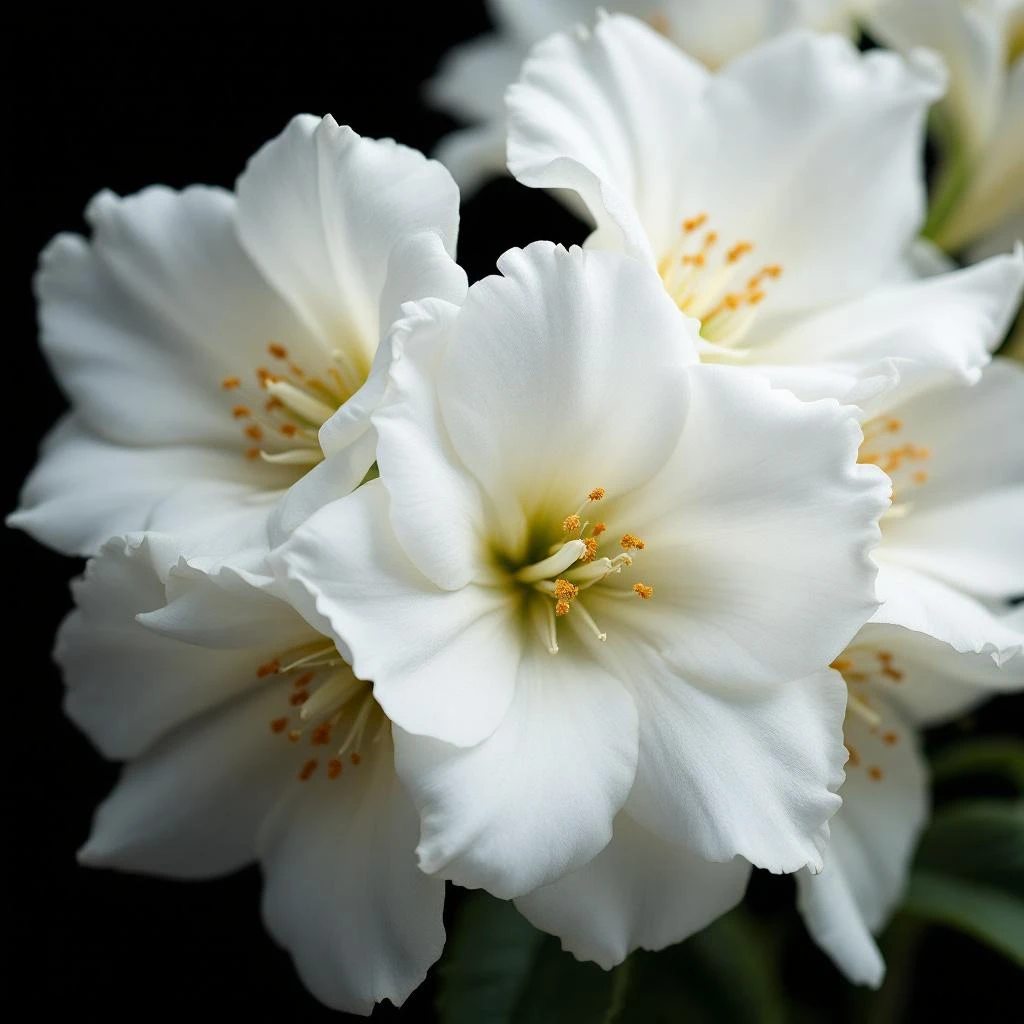
The story of Neroli water begins in the Italian town of Nerola, where 18th‑century perfumer Giovanni Maria Farina first distilled the blossoms for his celebrated Cologne. In 1720 his formula listed “eau de néroli” as a key component, marking the first recorded use of the hydrosol in Western perfumery.
The name spread quickly across Europe, and by the late 1700s French courts prized Neroli water for its ability to brighten aristocratic toilette rituals without the heaviness of pure essential oil. Throughout the 19th century, the ingredient appeared in medicinal tonics and early cosmetics, valued for its soothing properties.
The 20th century saw a revival of natural ingredients, and Neroli water re‑emerged in niche fragrances that sought authenticity and a light, refreshing profile. Today, sustainable farms in Italy, Spain, and Morocco continue the tradition, supplying the global market while honoring the historic link between the bitter orange blossom and the elegant mist that bears its name.
Wears it best
Fragrances featuring Neroli Water
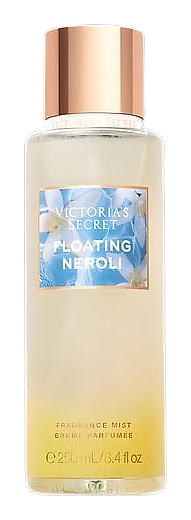
Brands
Brands known for Neroli Water
Good to know
Questions, answered
The essentials on Neroli Water in perfumery: how it smells, where it comes from, and how it behaves on skin.
What is Neroli water?
Neroli water is the aromatic hydrosol left after steam‑distilling bitter orange blossoms. It contains trace essential‑oil droplets and water‑soluble aroma compounds. A 2022 study measured its linalool content at 0.12 % by weight. This low concentration gives the water its delicate character and makes it suitable for skin applications.
How does Neroli water differ from Neroli essential oil?
Neroli water is water‑based and contains only a few milligrams of oil per liter, while Neroli essential oil is a concentrated, oil‑soluble extract. The oil yields about 0.5 % of the flower mass, whereas the hydrosol yields roughly 3 %. Because of this difference, perfumers use the hydrosol for light, refreshing sprays and the essential oil for richer, longer‑lasting accords.
What scent profile does Neroli water offer?
Neroli water offers bright citrus top notes, a soft floral heart, and a faint green nuance that fades gently. Gas‑chromatography shows linalool at 30 % and limonene at 15 % of its volatile fraction. These compounds create a fresh, uplifting impression that works well in daytime blends and skin‑care mists.
Is Neroli water safe for direct skin application?
Neroli water is generally regarded as safe for direct skin application when it is pure and free of synthetic additives. The International Fragrance Association listed its skin‑irritation rating as 1 (low) in its 2021 assessment. Consumers with sensitive skin report minimal reactions, making it a popular choice for natural facial tonics.
How long does the aroma of Neroli water linger on skin?
The aroma of Neroli water typically fades within two to three hours on clean skin, reflecting its low concentration of volatile oils. A 2019 wear‑test recorded an average longevity of 150 minutes for a 5 % hydrosol spray. Its fleeting nature makes it ideal for refreshing applications that do not require long‑lasting projection.
In what types of perfume compositions is Neroli water most effective?
Neroli water shines in fresh‑citrus, airy floral, and light aquatic perfume compositions, where its subtle brightness lifts the top accord without overwhelming the blend. The 2020 “Citrus Revival” trend cited Neroli water in 42 % of new releases. Mixers often pair it with bergamot or lavender to enhance its luminous character.
How do producers ensure sustainable Neroli water production?
Producers ensure sustainable Neroli water production by harvesting blossoms at peak bloom, limiting picking to 30 % of a tree’s flower load, and recycling condensation water back into the distillation loop. The Italian cooperative “Orto di Nerola” reports a 15 % reduction in water use since 2018.
Where does Neroli water originate historically?
Neroli water originates from the Italian town of Nerola, where 18th‑century perfumer Giovanni Maria Farina first distilled the hydrosol for his Cologne fragrance. Farina’s 1720 formula explicitly lists “eau de néroli” as a key component. The region’s Mediterranean climate yields abundant bitter‑orange blossoms, supporting a steady supply for modern distilleries.