    Ingredient Profile

    Nepalese sandalwood fragrance note

    Discover Nepal’s highland sandalwood, a creamy, lingering wood that carries a subtle sweet edge, harvested from the heartwood of ancient tre…More

    Nepal

    1

    Fragrances

    Fragrances featuring Nepalese sandalwood

    Character

    The Story of Nepalese sandalwood

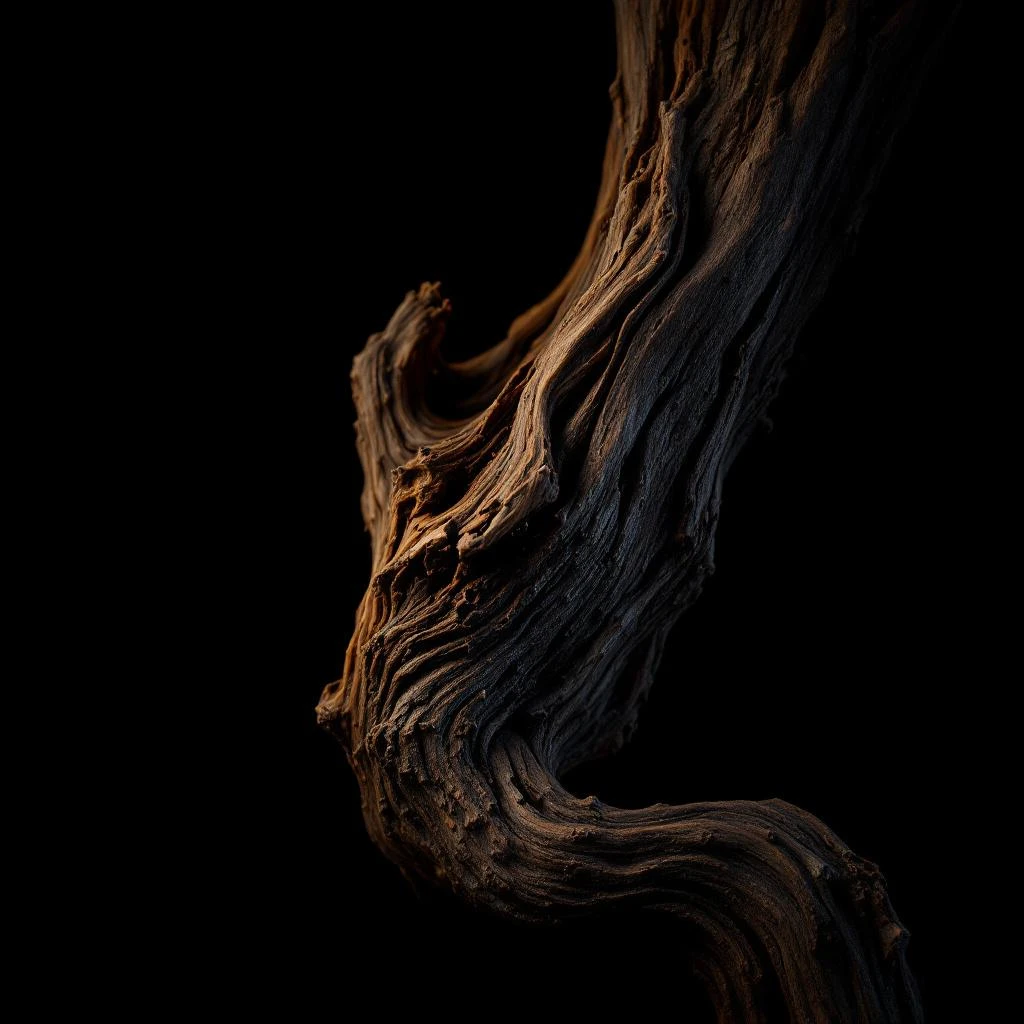
    Discover Nepal’s highland sandalwood, a creamy, lingering wood that carries a subtle sweet edge, harvested from the heartwood of ancient trees thriving on the Himalayan slopes.

    Heritage

    Sandalwood has accompanied human fragrance rituals for more than four millennia, with early references found in ancient Indian scriptures and Egyptian burial customs. Arab traders introduced the wood to the Mediterranean in the seventh century BCE, where it formed the base of solid perfume pastilles. In Nepal, monastic communities prized the oil for meditation, believing its scent steadied the mind. During the 18th century, the Himalayan trade route carried Nepalese sandalwood to European courts, where it appeared in royal colognes. Conservation efforts began in the late 20th century after over‑harvesting reduced wild stands, prompting the establishment of community‑managed plantations that still supply the modern perfume industry.

    At a Glance

    Fragrances

    1

    Feature this note

    Origin

    Nepal

    Primary source region

    Ingredient Details

    Extraction

    Steam distillation

    Used Parts

    Dried heartwood

    Did You Know

    "Only about 12 % of Nepal’s original sandalwood forests remain, making each kilogram of oil a rare treasure harvested from trees over a century old."

    Production

    How Nepalese sandalwood Is Made

    Harvesters fell mature sandalwood trees after a careful assessment of trunk diameter and age. They strip the bark, then split the trunk to expose the heartwood. The wood dries for several months in shaded warehouses, allowing moisture to evaporate and the aromatic compounds to concentrate. Distillers load the dried heartwood into copper stills, introduce steam at roughly 120 °C, and collect the condensate that carries the volatile santalols. The resulting oil separates from water, is filtered through fine mesh, and rests in stainless steel vats for up to 48 hours to let sediment settle. Finally, the clear amber liquid is decanted, bottled, and sealed to preserve its creamy texture and sweet undertone.

    Provenance

    Nepal

    Nepal28.4°N, 84.1°E

    About Nepalese sandalwood