

Character
The Story of Nashi pear
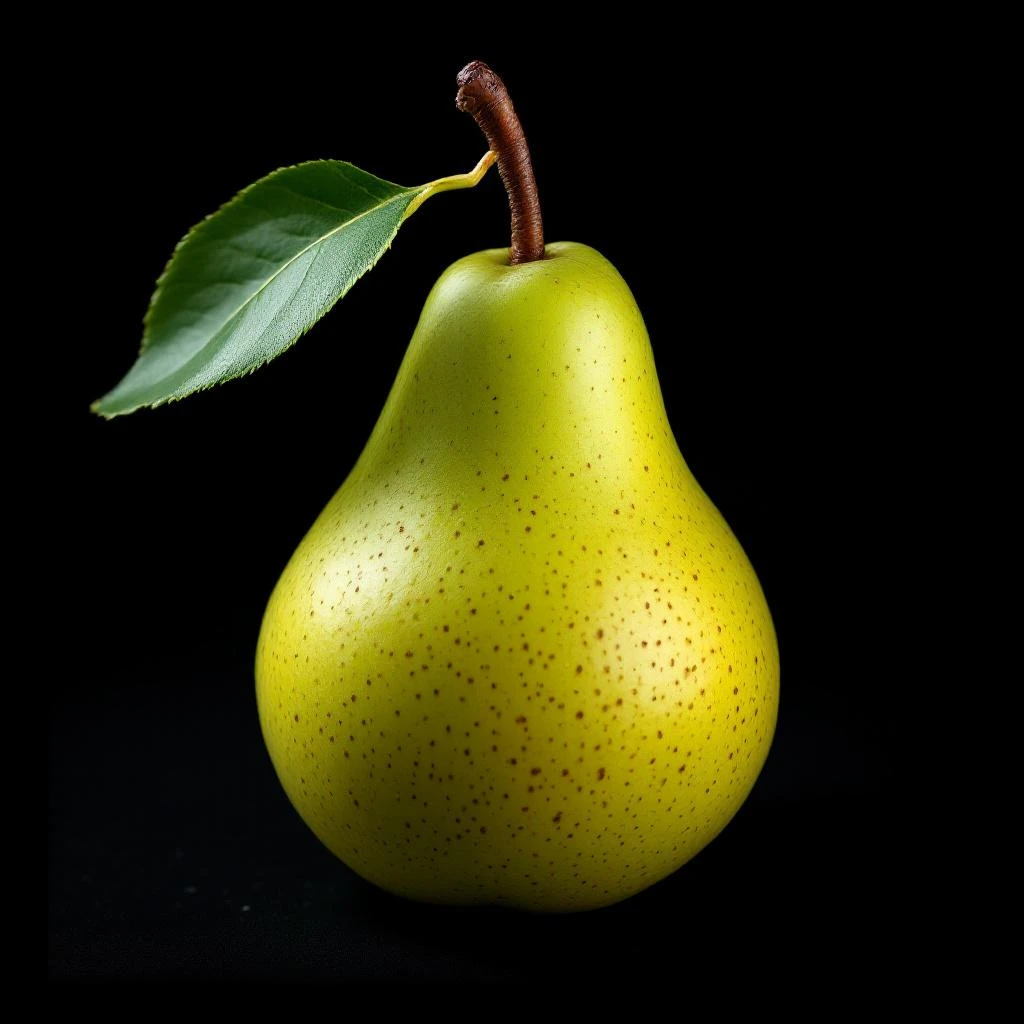
Nashi pear delivers a crisp, watery sweetness that recalls a freshly sliced Asian pear, balancing bright acidity with subtle honeyed undertones. Its green-fleshed profile adds a luminous lift to both modern and classic compositions, inviting the senses to explore a clean, fruit‑forward moment.
Heritage
Pear trees have been cultivated in East Asia for millennia, with the Nashi variety first recorded in Chinese agricultural texts dating to the Han dynasty (206 BC–220 AD). Traders carried dried pear slices along the Silk Road, where they entered Persian spice markets and later reached Mediterranean ports. By the 18th century, French perfumers began experimenting with pear aromatics, using early solvent extracts to add a fresh fruit facet to floral bouquets. The 20th century saw the rise of synthetic pear aroma chemicals, but natural CO2 extracts revived the authentic green character in niche fragrances. Today, Nashi pear remains a bridge between ancient horticulture and contemporary scent engineering.
At a Glance
4
Feature this note
China
Primary source region
Ingredient Details
CO2 extraction
Fruit flesh
Did You Know
"Nashi pear trees can produce fruit twice a year in temperate zones, allowing perfumers to source fresh harvests for multiple seasonal releases."