Character
The Story of Namibian Myrrh
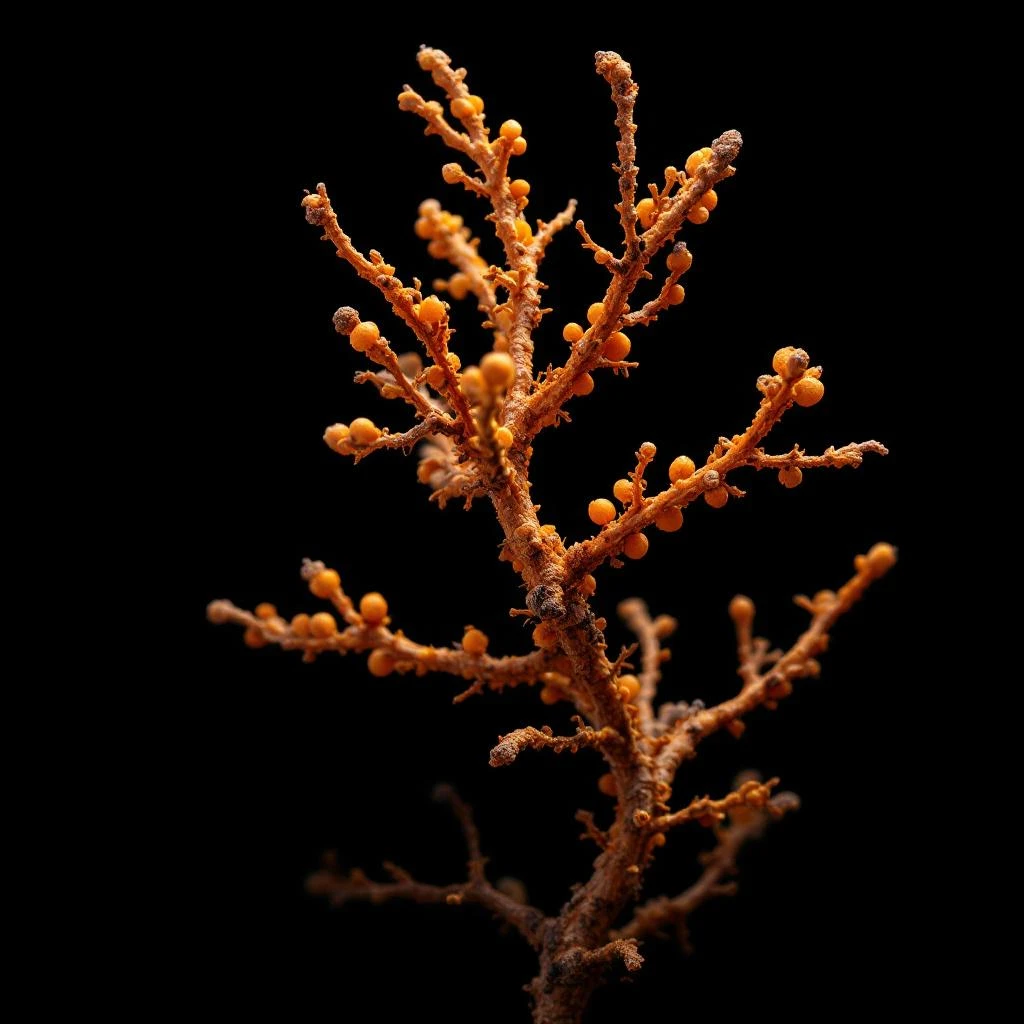
Namibian Myrrh, resin from Commiphora wildii in Namibia’s Kunene region, offers a sharp, turpentine‑rich aroma that adds depth to modern blends. Hand‑collected by Himba women, the resin retains the desert’s mineral edge, making it a prized fixative for niche perfumery.
Heritage
Myrrh has traveled with humanity for millennia, appearing in Egyptian tombs, Babylonian temples, and ancient trade caravans. Early records from 3,700 BCE describe resin burned as incense in sacred rites. Over centuries, traders moved the material from the Horn of Africa and the Arabian Peninsula to the Mediterranean markets. In the 19th century, European explorers documented myrrh’s medicinal and aromatic uses, cementing its status as a luxury commodity. The discovery of Commiphora wildii in Namibia’s Kunene region added a new chapter to this story. In 2016, a Silloria perfumer trekked the desert and identified the species, noting its unusually high α‑pinene content. Since then, Namibian Myrrh has entered niche perfume houses, offering a bright, resinous alternative to traditional Egyptian varieties. Its integration reflects a broader movement to source indigenous African ingredients, honoring the cultural practices of the Himba people while expanding the olfactory palette of modern creators.
At a Glance
1
Feature this note
Namibia
Primary source region
Ingredient Details
Steam distillation
Bark resin
Did You Know
"The Himba tribe harvests Namibian Myrrh by tapping the bark with a stone tool, then lets the resin harden under the sun for up to two weeks before collection."