Character
The Story of myrrh resin hydrosol
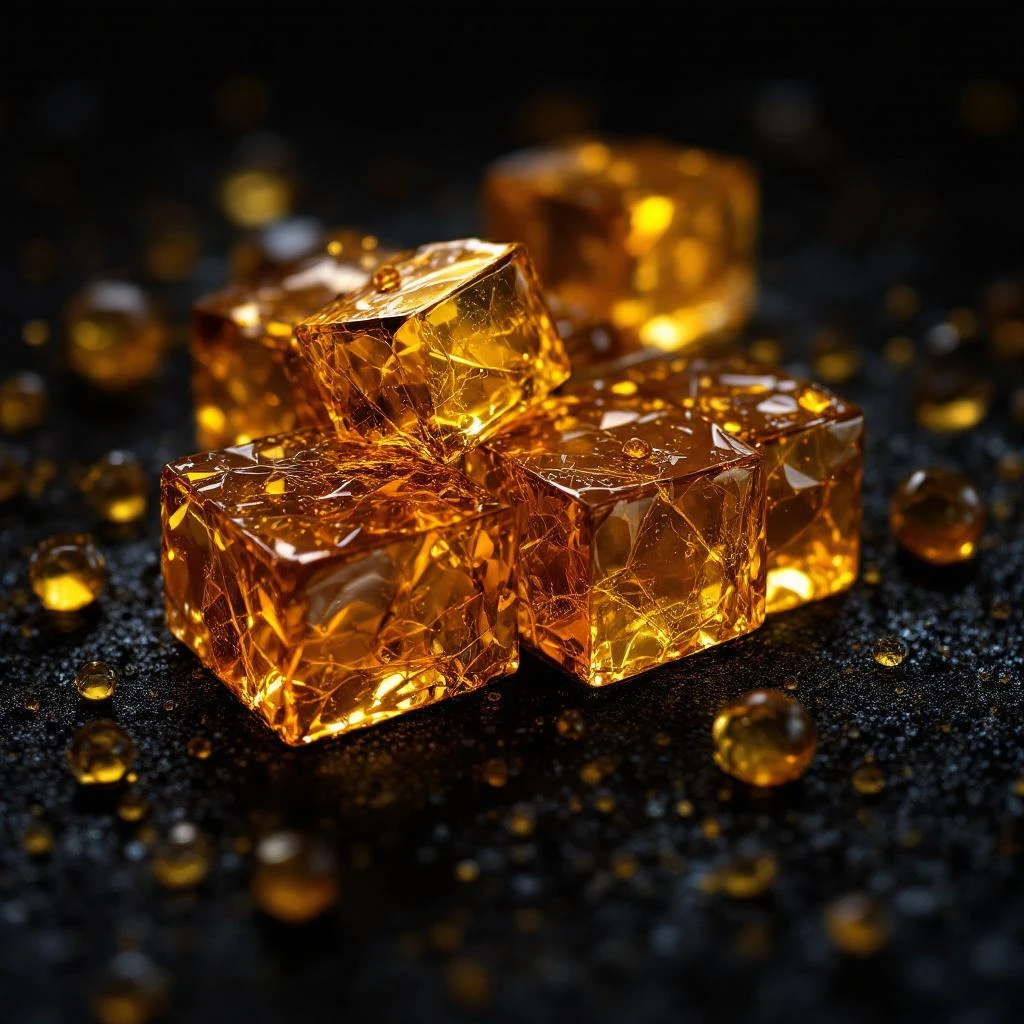
An aromatic water distilled from the reddish-brown gum of Commiphora myrrha, myrrh resin hydrosol captures the resin’s warm, resinous depth in a clear, gentle spray.
Heritage
Myrrh resin has traveled trade routes since the Bronze Age, moving from the Horn of Africa to the temples of ancient Egypt. Archaeological records show that pharaohs used myrrh incense in burial rites as early as 1500 BCE, believing its smoke purified the soul. The Greek physician Dioscorides described myrrh as a healing balm in the first century AD, noting its aromatic and antiseptic properties. During the Renaissance, European apothecaries distilled myrrh to produce fragrant waters for both religious ceremonies and personal grooming. In the early 20th century, French perfumers experimented with myrrh hydrosol as a lighter alternative to the heavy essential oil, incorporating it into niche chypre blends. Today, small cooperatives in South Yemen continue the ancient tapping method, supplying the global niche market with a resin that still carries the weight of its millennia‑old legacy.
At a Glance
1
Feature this note
Yemen
Primary source region
Ingredient Details
Steam distillation
Dried gum resin
Did You Know
"Myrrh hydrosol contains trace amounts of water-soluble terpenes that disappear within weeks, making it one of the most fleeting water-based extracts in perfumery."