Character
The Story of musks
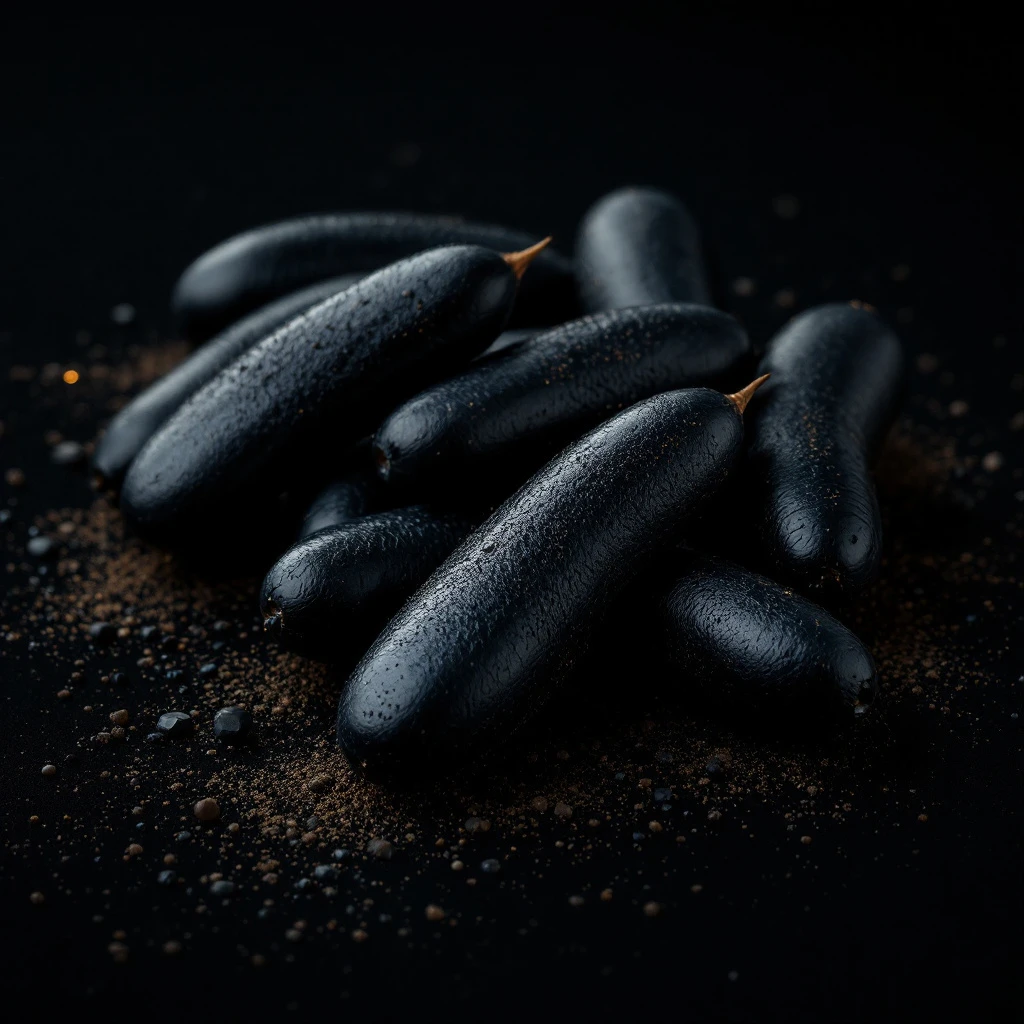
Musk is the invisible architecture of perfume. It has no single scent of its own — instead it absorbs into skin, reacts with body chemistry, and amplifies everything around it. This is what makes it the most personal note in perfumery.
Heritage
For thousands of years, natural musk came from one source: the musk deer of the Himalayas and Central Asia. Tibetan, Chinese, and Middle Eastern civilizations prized it as a fixative and amplifier — a few drops were enough to transform an entire fragrance. Royal courts across Asia used it in perfumes and medicinal preparations. The substance commanded extraordinary prices. By the late 19th century, ethical concerns about how the pods were harvested pushed chemists toward synthetic alternatives. Ružička's 1926 synthesis at Firmenich didn't just replace animal products — it opened a new field of organic chemistry focused on large ring compounds. His work on musk molecules earned him a Nobel Prize in Chemistry in 1939. Today over 99% of musks used in perfumery are synthetic, making the ancient ingredient both more accessible and more complex than ever before.
At a Glance
2
Feature this note
Switzerland
Primary source region
Ingredient Details
Synthetic organic synthesis
Lab-derived aromatic compound
Did You Know
"The musk deer doesn't actually have musk in its name — it stores the substance in a gland called a "pod" located near its navel."