Character
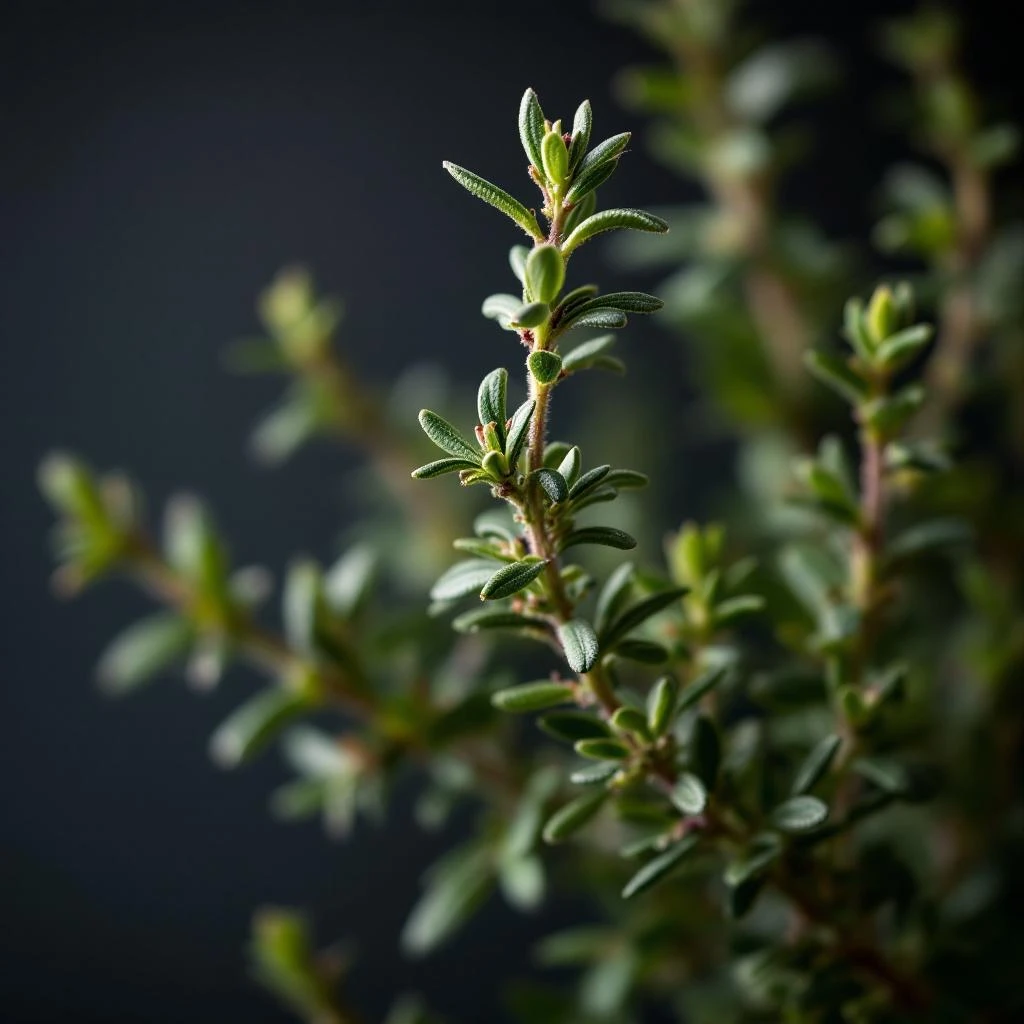
The Story of Moroccan rosemary
Moroccan rosemary offers a sharp, herbaceous aroma that blends pine‑like clarity with camphor‑rich freshness, anchoring fragrances in a sun‑kissed Mediterranean setting while delivering a clean, invigorating lift.
Heritage
Rosemary entered European perfume labs in the early modern era, but its first recorded use in an alcohol‑based fragrance appears in l’Eau de la Reine de Hongrie, a 17th‑century court scent that prized the herb’s invigorating edge. By the late 19th century, perfumers such as François Jicky embraced rosemary as a top note, giving the 1889 Guerlain classic a fresh, pine‑like lift. The Moroccan variant gained prominence in the mid‑20th century when trade routes opened between North Africa and Grasse, offering a brighter, more resinous profile than Mediterranean counterparts. Today, the ingredient remains a staple for creators seeking a clean, herbaceous accent that bridges traditional and modern olfactory palettes.
At a Glance
1
Feature this note
Morocco
Primary source region
Ingredient Details
Steam distillation
Leaves
Did You Know
"The first alcohol‑based perfume to feature rosemary, l’Eau de la Reine de Hongrie, debuted in the 1600s, marking the herb’s early entry into Western perfumery and its endurance through centuries of scent evolution."