Character
The Story of Moroccan mastic absolute
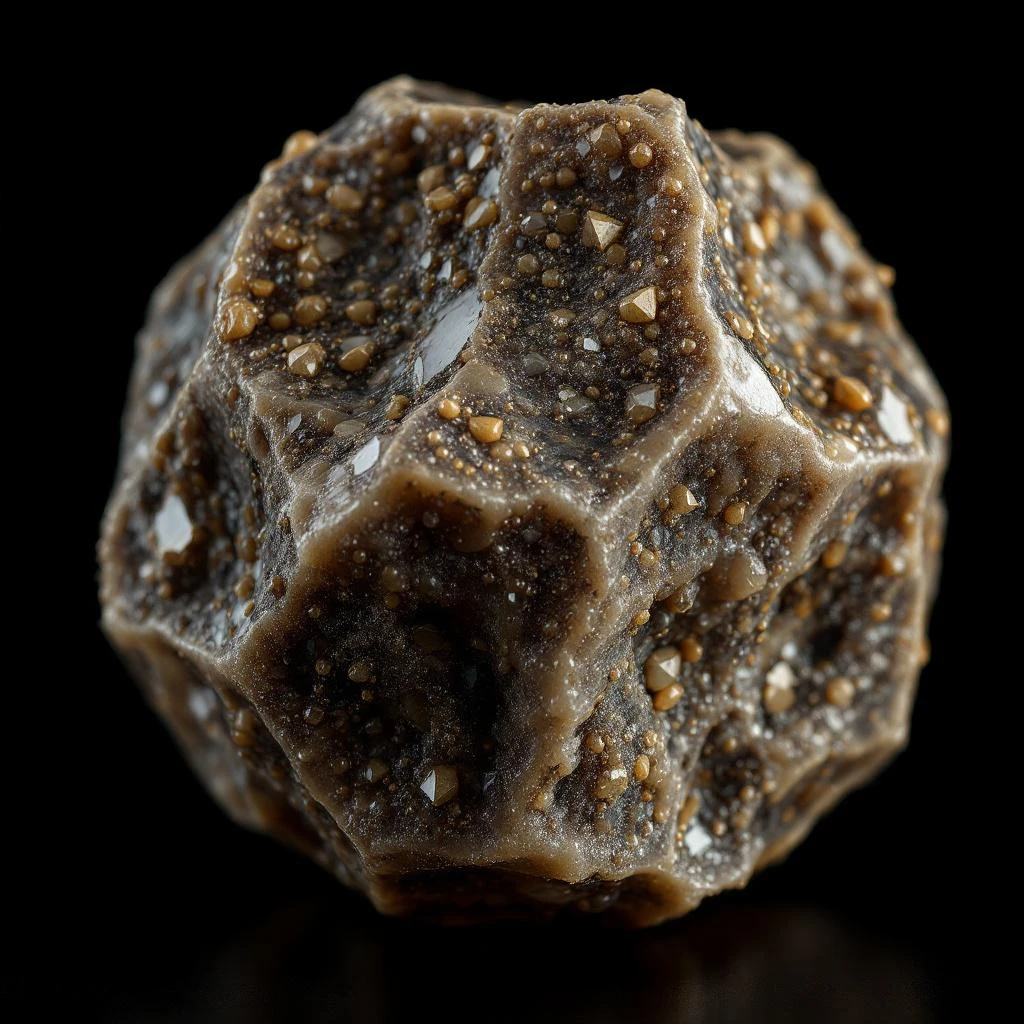
Moroccan mastic absolute captures the raw resin of Pistacia lentiscus, delivering a pine‑sharp, balsamic depth that anchors modern blends while echoing centuries of Mediterranean craft.
Heritage
Moroccan mastic has been prized since antiquity. Ancient Greeks chewed the resin for its fresh flavor and used it to seal amphorae, while Roman physicians prescribed it for digestive aid. Trade routes carried the gum from the Chios islands to North Africa, where the climate produced a richer resin. In the medieval period, Arab alchemists documented its antiseptic properties and incorporated it into scented oils. The first recorded use of mastic in perfume appears in a 19th‑century French perfumery journal, noting its ability to anchor citrus top notes. By the 1920s, French houses blended Moroccan mastic absolute into chypre and fougère families, valuing its natural fixative strength. Today, sustainable harvesting programs in Morocco ensure the resin supports both local economies and the fragrance industry.
At a Glance
1
Feature this note
Morocco
Primary source region
Ingredient Details
Solvent extraction (ethanol)
Resin (gum) from tree bark
Did You Know
"The resin, known as “tears of Chios,” was once traded across the ancient world as a natural sealant and medicine, and today its absolute powers the longest‑lasting base notes in fine fragrance."