Character
The Story of Moroccan magnolia
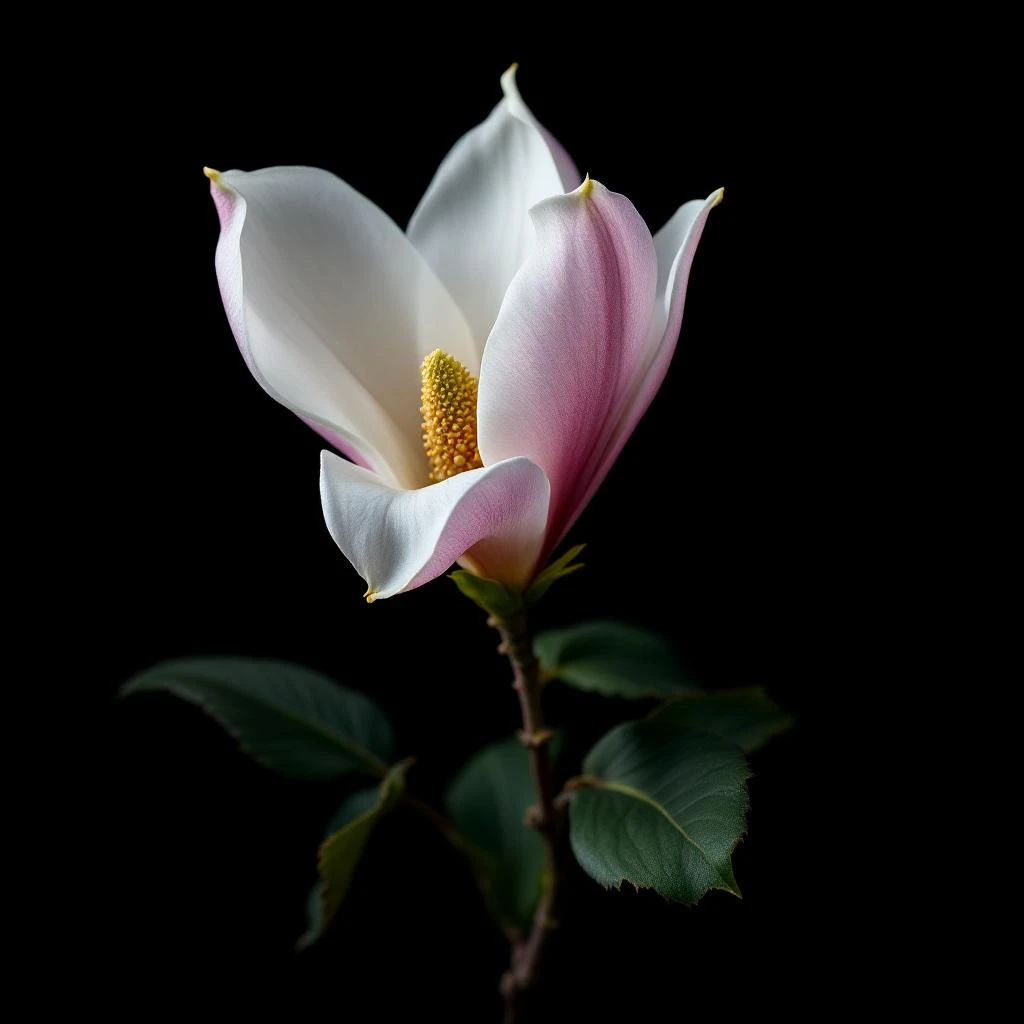
Moroccan magnolia delivers a bright, green‑fruit accord that blends fresh leafiness with a subtle white‑flower whisper, evoking the cool breezes of the Atlas foothills.
Heritage
The magnolia genus traces its scientific name to 17th‑century French botanist Pierre Magnol, who first grouped flowering plants into families. While native to East Asia and the Americas, magnolia trees arrived in Morocco during the French protectorate era, around 1912, when horticultural exchanges introduced the species to the Rif region. Local farmers embraced the tree for its shade and ornamental value, and by the 1930s they began experimenting with the fragrant leaves. Early Moroccan perfumers used simple infusions to scent traditional soaps and leather goods. In the 1970s, a small cooperative in Chefchaouen refined the process, exporting leaf oil to European niche houses. The ingredient gained recognition for its bright green facet, contrasting the richer, woody notes of Chinese magnolia leaf oil that dominated the market. Today, Moroccan magnolia remains a symbol of cross‑cultural botanical heritage, linking a French scientific legacy with North African craftsmanship.
At a Glance
1
Feature this note
Morocco
Primary source region
Ingredient Details
Steam distillation
Fresh leaf material
Did You Know
"The magnolia trees that line Morocco’s Rif Mountains were introduced by French horticulturists in the early 1900s, and today their leaves supply a niche leaf‑oil prized for its citrus‑green lift in niche perfumery."