Character
The Story of Moroccan Cedar
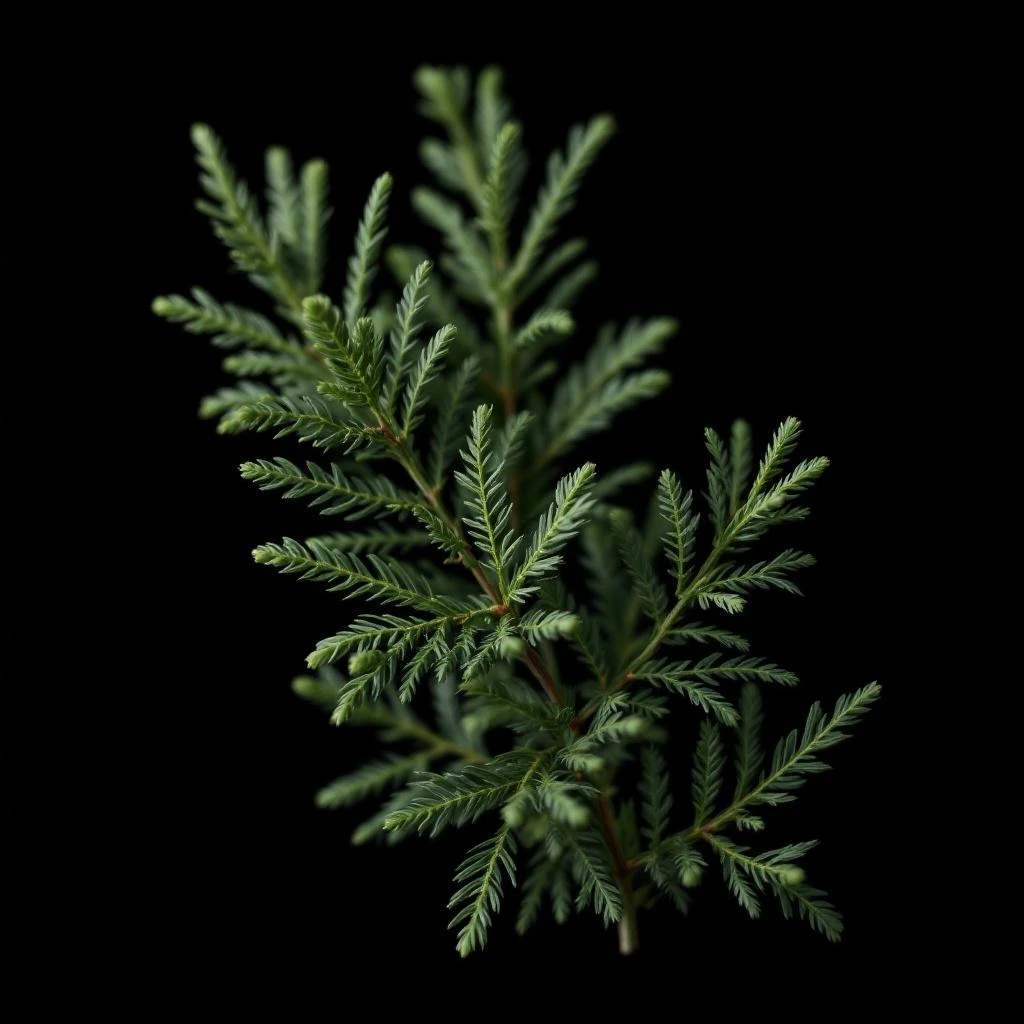
Moroccan Cedar, extracted from Cedrus atlantica in the Atlas Mountains, delivers warm, dry woody character with pencil-shaving warmth and elegant resinous depth. A cornerstone of modern woody perfumery.
Heritage
Cedar has a 5,000-year legacy in perfumery, with origins in ancient Egypt where cedar oil was considered sacred and used in cosmetics, religious rituals, and embalming. The legendary cedar forests of Lebanon appear throughout biblical texts, cementing the wood's reputation as a divine material. French perfume houses in the 19th century began sourcing cedarwood oil from the Atlas Mountains of Morocco, where Cedrus atlantica grows at altitude, producing a distinct species from its Lebanese cousin. Moroccan cedar became the industry standard for fine perfumery because its oil offered a warmer, more elegant character with less harshness than Virginian cedarwood. Today the cedar forests of Morocco and Algeria remain a vital source for natural aromatic materials, and Cedrus atlantica is now a protected species in much of its native range, with sustainable harvesting practices governing extraction. The oil carries the weight of ancient traditions while serving contemporary perfumery as one of its most essential base materials.
At a Glance
2
Feature this note
Morocco
Primary source region
Ingredient Details
Steam distillation
Heartwood and roots
Did You Know
"Ancient Egyptians used cedar oil in embalming, believing its sacred scent guided the deceased to the afterlife."
Pyramid Presence