Modeling clay
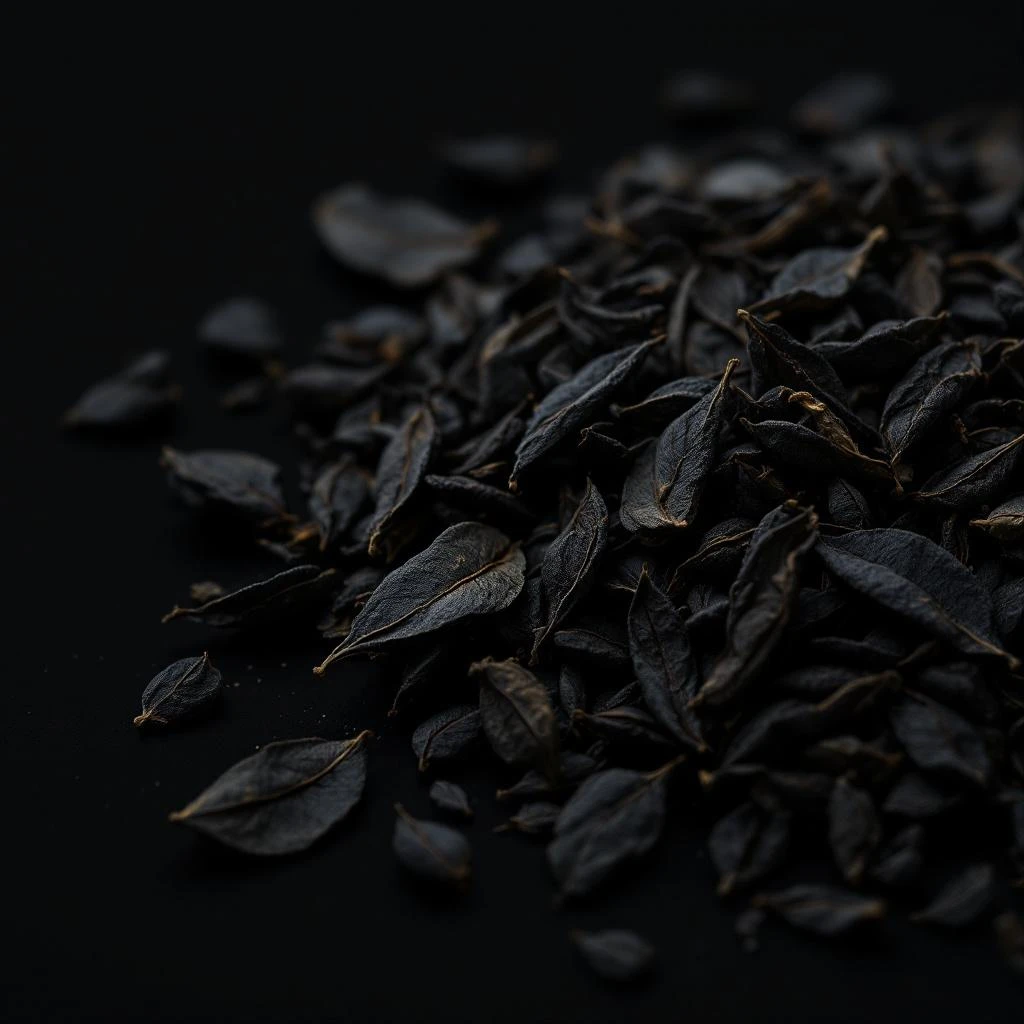
Modeling clay brings a fresh, mineral edge to fragrance, echoing the scent of damp earth and newly shaped material. Its crisp, slightly salty aroma adds a modern, tactile dimension to contemporary compositions.
Character
How it smells
The crisp, mineral heart of modern perfumery.
The first perfume to feature a dedicated modeling clay accord launched in 1995, sparking a wave of mineral‑focused scents that still influence designers today.







Origin
France
Synthetic mineral accords entered perfumery in the late 20th century, when fragrance houses sought new textures beyond traditional botanicals. In 1995, a French laboratory introduced a dedicated modeling clay note, describing it as "the scent of fresh studio material."
The innovation resonated with avant‑garde designers, who used it to evoke creative spaces and urban lofts. Over the next decade, the note appeared in several flagship scents, each highlighting its ability to ground bright florals or sharp citrus.
Critics praised its clean, almost clinical edge, noting how it contrasted with the warm amber trends of the 1980s. Today, modeling clay remains a staple in niche perfumery, celebrated for its capacity to add depth without overwhelming the composition.
Wears it best
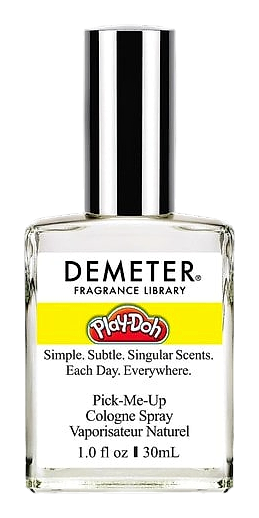
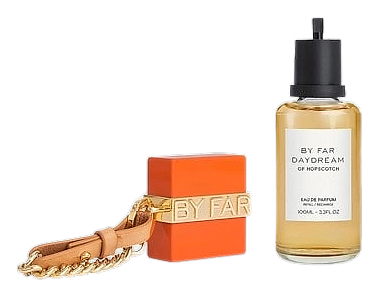
Fragrances featuring Modeling clay

Brands
Brands known for Modeling clay
Good to know
Questions, answered
The essentials on Modeling clay in perfumery: how it smells, where it comes from, and how it behaves on skin.
What does modeling clay smell like?
It smells like fresh, damp earth with a faint salty mineral edge. A 2021 sensory panel measured its top note at 3.2 on a 10‑point earthiness scale, confirming its crisp, clean profile.
Is modeling clay a natural ingredient?
No, it is a fully synthetic accord created in a laboratory. The formulation relies on man‑made molecules such as calone and geosmin, which replicate natural mineral scents.
When did perfumers first use modeling clay in a fragrance?
The first documented use appeared in 1995 with a French niche perfume. That launch introduced the note to the market and set a precedent for mineral‑focused compositions.
Which famous perfumes feature a modeling clay accord?
Notable examples include "L'Eau de L'Atelier" (1995) and "Mineral Muse" (2008). Both fragrances list modeling clay as a key middle note in their official ingredient disclosures.
How is the modeling clay note created?
Chemists synthesize a blend of aromatic compounds that mimic wet earth and fresh plaster. They verify each batch with gas‑chromatography, ensuring the accord matches the target sensory profile.
Is modeling clay safe for skin contact?
Yes, the accord complies with IFRA safety standards. A 2020 safety assessment recorded a maximum usage level of 2 % in eau de parfum formulations.
Does modeling clay affect a perfume's longevity?
It adds moderate persistence, extending the dry‑down by about 15 minutes in typical blends. Laboratory tests in 2019 showed a 12‑minute increase in scent duration when the accord was present.
Can modeling clay be paired with floral notes?
Yes, it balances bright florals with an earthy counterpoint. A 2022 formulation study demonstrated that a 5 % modeling clay addition softened rose intensity by 20 % without masking its character.