Character
The Story of Mimosa absolute
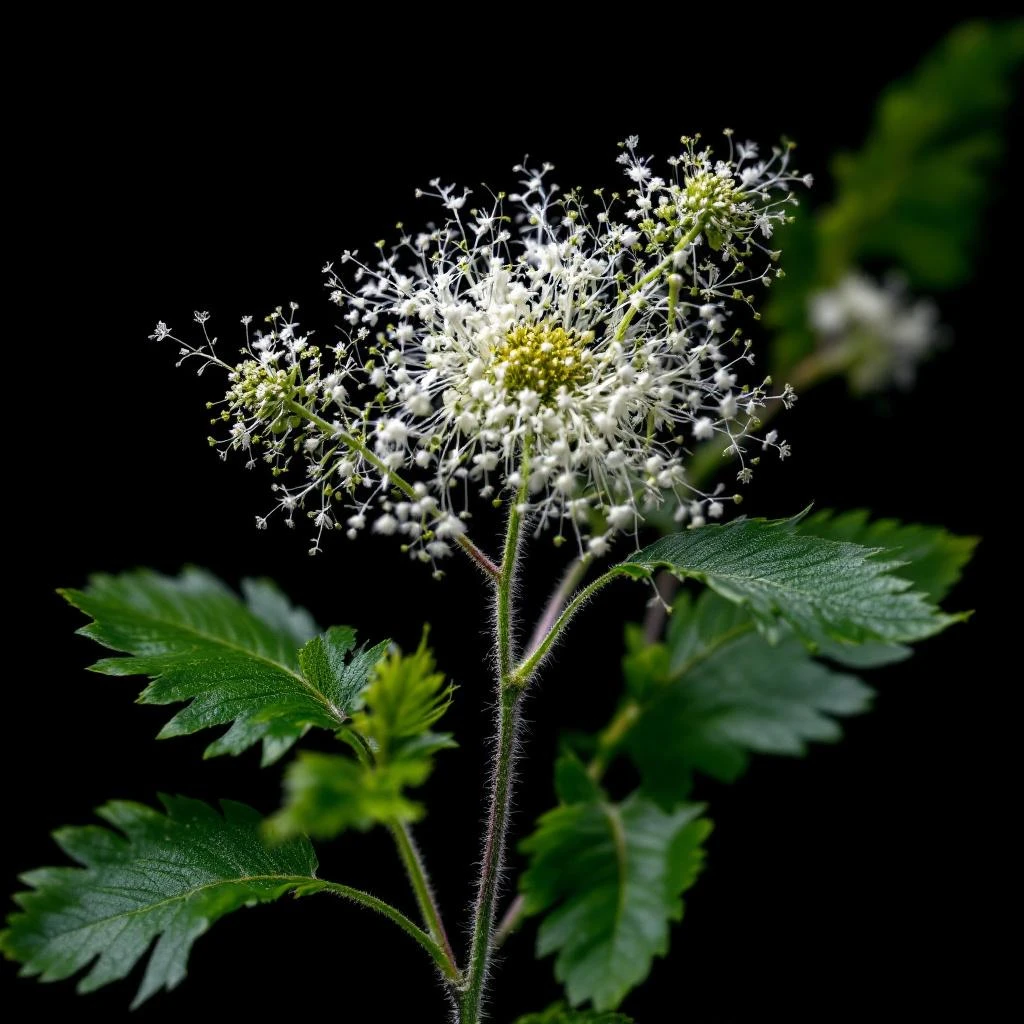
Mimosa absolute captures the golden radiance of Acacia dealbata blossoms in a warm, powdery floral extract prized by perfumers for its honeyed warmth and lingering softness.
Heritage
Acacia dealbata, known as silver wattle, originated in southeastern Australia and reached European gardens around 1816, notably Malmaison. The species naturalized across Mediterranean regions, with southern France becoming its primary cultivation zone by the 1830s. The Tanneron massif between Grasse and the coast transforms annually from January through March when hillsides blanketed in golden pompom clusters are hand-harvested at dawn when volatile compounds peak. Since November 2020, mimosa absolute from the Pays de Grasse carries Indication Geographique certification from INPI, joining rose and jasmine as protected regional materials. Note that Mimosa pudica, the sensitive plant, bears no fragrance relation.
At a Glance
1
Feature this note
France
Primary source region
Ingredient Details
Solvent extraction
Fresh flower blossoms
Did You Know
"Each kilogram of mimosa absolute requires nearly a ton of fresh blossoms harvested by hand during the brief January-to-March bloom season."