    Ingredient Profile

    Mexican pink pepper fragrance note

    Mexican pink pepper delivers a bright, citrus‑tinged spice that snaps open the senses, marrying crisp green apple notes with a subtle woody…More

    Mexico

    1

    Fragrances

    Fragrances featuring Mexican pink pepper

    Character

    The Story of Mexican pink pepper

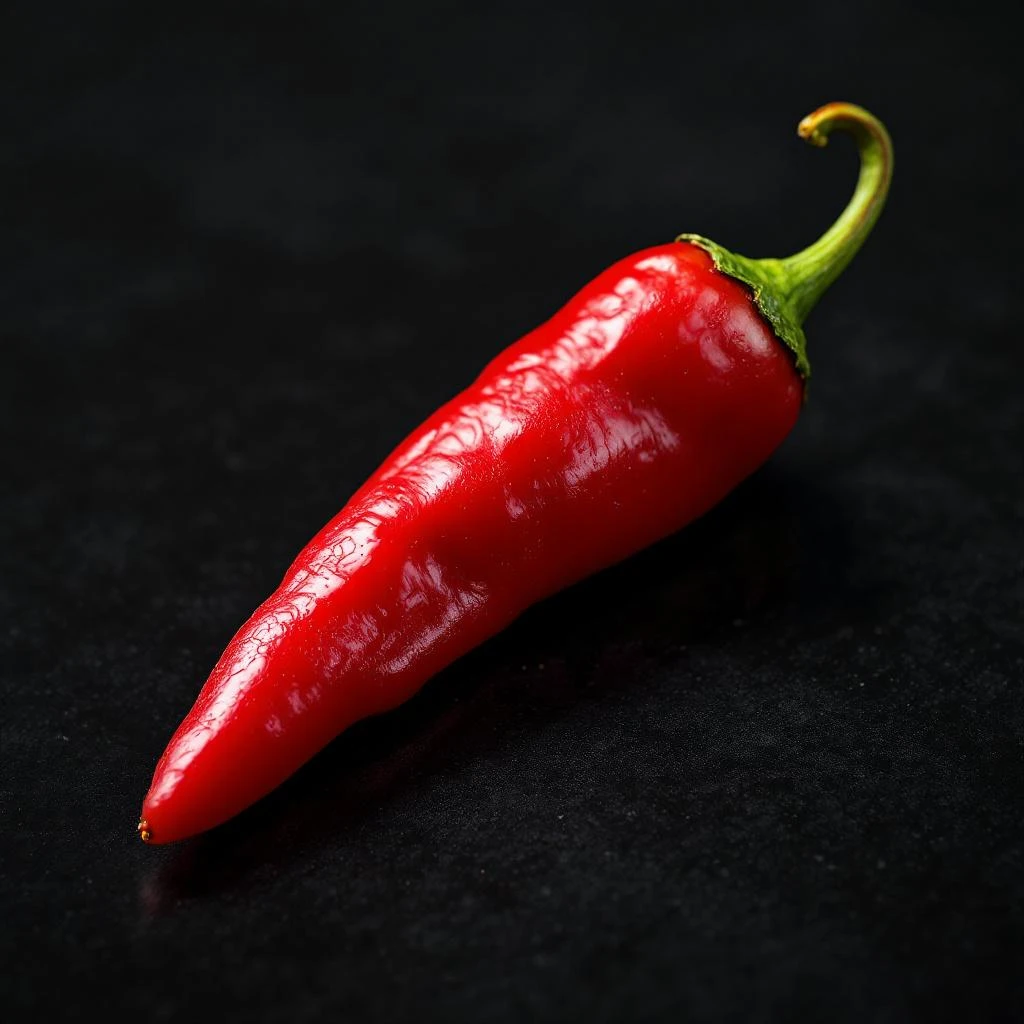
    Mexican pink pepper delivers a bright, citrus‑tinged spice that snaps open the senses, marrying crisp green apple notes with a subtle woody heat. Its aromatic profile lifts compositions, adding a lively contrast to florals and woods.

    Heritage

    Indigenous peoples of the Andean foothills used the berries of the Mexican pepper tree as a seasoning and a medicinal tonic long before European contact. Spanish explorers recorded the spice in the 16th century, noting its sharp aroma and bright color. By the 1800s, traders carried the dried berries to Europe, where perfumers experimented with them as a novel top note. The first recorded use in a perfume appeared in a French atelier in 1925, where the spice added a fresh lift to a chypre composition. In the 1990s, a wave of niche houses embraced Mexican pink pepper for its ability to bridge citrus and woody accords, cementing its status as a modern classic. Today, sustainable harvesting programs in Mexico protect the tree while supplying the global fragrance market.

    At a Glance

    Fragrances

    1

    Feature this note

    Origin

    Mexico

    Primary source region

    Ingredient Details

    Extraction

    Steam distillation

    Used Parts

    Ripe berries

    Did You Know

    "Although called pepper, Mexican pink pepper belongs to the cashew family; its berries contain urushiol, the same compound that can trigger skin reactions in sensitive individuals."

    Production

    How Mexican pink pepper Is Made

    Harvesters pick the bright red berries of Schinus molle when they reach full maturity, usually between October and December. After hand‑sorting, the berries are spread in thin layers to air‑dry for 48 hours, reducing moisture to under 10 %. The dried fruit is then fed into a stainless‑steel still where steam passes through at 100 °C for 2 hours. The volatile oils condense with the water vapor, and the oil separates naturally due to its lower density. For larger batches, a short‑path solvent extraction follows the distillation to capture trace aromatics that steam alone leaves behind. The resulting clear amber liquid is filtered through activated charcoal, then stored in amber glass at 15 °C to preserve its bright citrus‑spice character. Quality labs test each batch for linalool, limonene, and β‑pinene levels, ensuring the oil meets the 1.5 %‑2 % concentration standard used by luxury houses.

    Provenance

    Mexico

    Mexico19.4°N, 99.1°W

    About Mexican pink pepper