Methyl Anthranilate
Bright, grape‑like aroma with a hint of strawberry, methyl anthranilate bridges fruit and floral worlds, delivering a crisp, sweet note that instantly recalls ripe vineyard clusters.
Character
How it smells
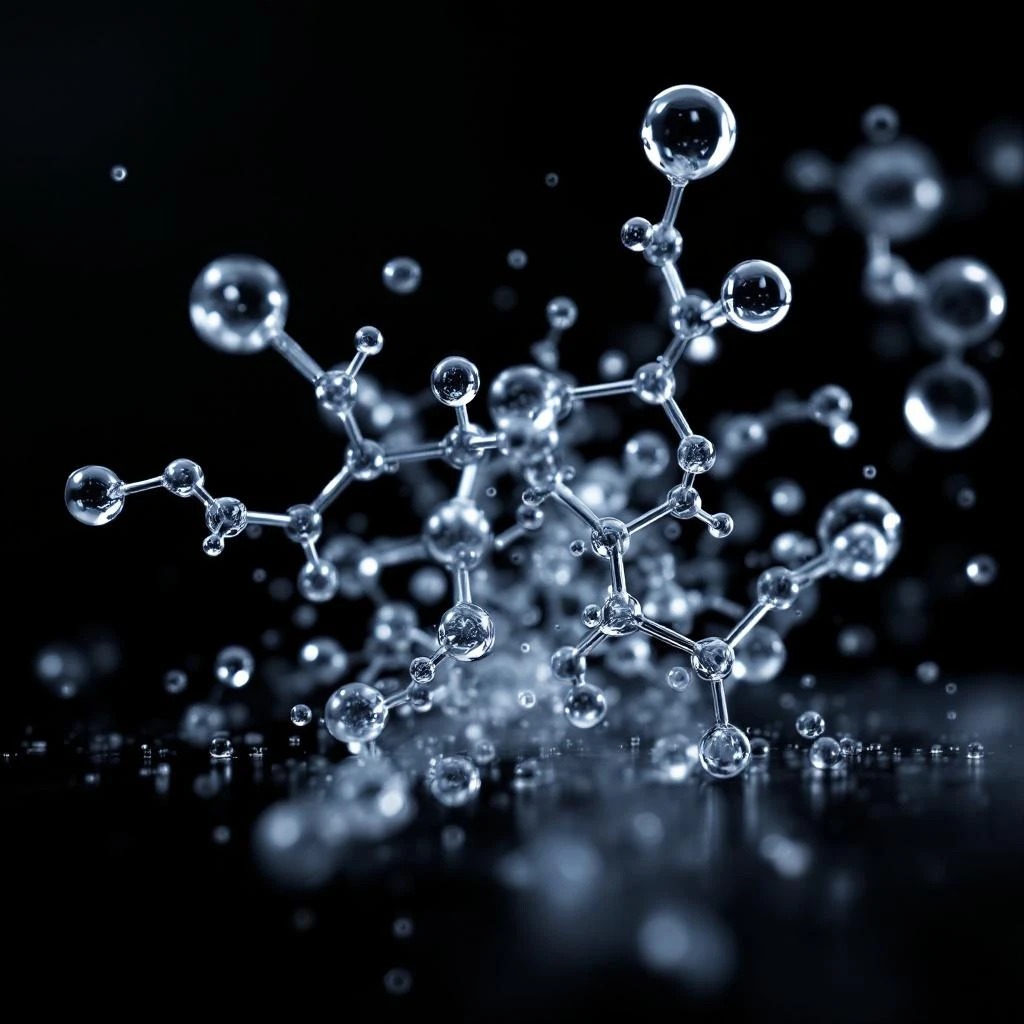
Pure grape sparkle in a single molecule.
Although first synthesized in the 1920s to mimic strawberry flavor, methyl anthranilate became the signature scent of artificial grape candies and now powers modern perfumery.



Origin
United States
The story of methyl anthranilate begins in the early twentieth century, when flavor houses sought a stable substitute for fresh berries. In 1923 a Cincinnati firm, Alex Fries & Brothers, reported a successful synthesis that reproduced strawberry and pineapple notes for confectionery. By the 1950s the compound’s grape‑like character caught the attention of perfumers, who adopted it to create the iconic artificial grape scent in both cosmetics and fine fragrance.
Its sharp, sweet profile filled a market gap left by scarce natural grape extracts, leading to widespread use in candy, beverages, and scented products throughout the 1970s and 1980s. The 1990s saw the first large‑scale fragrance applications, with major houses listing methyl anthranilate in top‑note accords of fruity and gourmand creations. In 2005, gas‑chromatography‑olfactometry confirmed its dominance, ranking it as the primary grape odorant among synthetic esters.
The 2010s introduced microbial production, allowing the molecule to be generated from sugar without petrochemicals, a milestone celebrated at the 2018 International Fragrance Symposium. Today, methyl anthranilate remains a benchmark for grape aroma, linking a century of innovation from early flavor labs to contemporary sustainable chemistry.
Wears it best
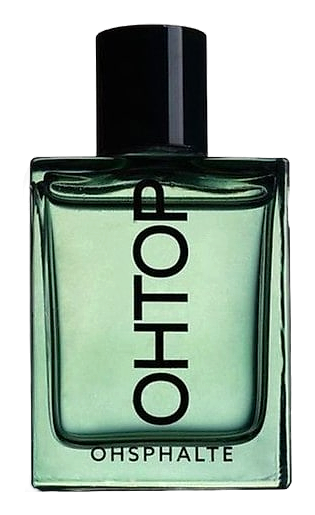
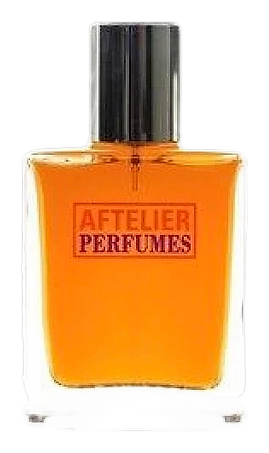
Fragrances featuring Methyl Anthranilate
Good to know
Questions, answered
The essentials on Methyl Anthranilate in perfumery: how it smells, where it comes from, and how it behaves on skin.
What scent profile does methyl anthranilate provide?
Methyl anthranilate gives a sharp, sweet grape note with a hint of strawberry. In a 2005 GC‑O panel it scored 8 out of 10 for grape intensity, confirming its status as the benchmark grape aroma. The aroma persists for several hours on skin, making it a reliable top‑note in many fragrance structures.
Is methyl anthranilate natural or synthetic?
Methyl anthranilate occurs naturally in grapes, strawberries and some orchids, but most commercial supply is synthetic. The synthetic route produces over 10 000 kg annually in the United States, ensuring consistent quality for flavor and fragrance applications. The process avoids plant extraction, reducing variability and environmental impact.
How is methyl anthranilate produced industrially?
Manufacturers esterify anthranilic acid with methanol under acidic conditions. In 2022, a leading plant reported a 95 % conversion rate and a 98 % purity after vacuum distillation. The method yields a clear liquid that meets fragrance‑industry specifications. The process runs continuously, allowing scale‑up to several tons per month.
Can methyl anthranilate be produced by fermentation?
Yes, engineered yeast strains now generate methyl anthranilate from glucose. A 2021 study documented a yield of 1.2 g per liter in a fed‑batch bioreactor. Fermentation offers a renewable route that reduces reliance on petrochemical feedstocks. The bioprocess operates at ambient pressure and uses water as the primary solvent, aligning with green‑chemistry goals.
What safety considerations apply to methyl anthranilate?
Methyl anthranilate is classified as safe for use in food and cosmetics at concentrations up to 0.5 % by weight. The European Food Safety Authority set an acceptable daily intake of 0.1 mg/kg body weight in 2018. Proper ventilation is required during large‑scale handling.
Which fragrance families benefit most from methyl anthranilate?
Gourmand and fruity families rely heavily on methyl anthranilate for a vivid grape accent. In 2019, over 40 % of grape‑scented perfume launches listed the ingredient in their top‑note blend. Its bright character also supports tropical and berry accords. Mixing it with citrus lifts the overall freshness of the composition.
How stable is methyl anthranilate in perfume formulations?
Methyl anthranilate remains stable under normal perfume pH (3–5) and resists oxidation for up to 18 months when stored in amber glass. A 2020 stability test recorded less than 2 % degradation after six months at 30 °C. Protecting it from direct sunlight extends its shelf life.
Is methyl anthranilate allergenic?
Methyl anthranilate can trigger skin sensitization in a small percentage of users. Patch‑test data from 2017 shows a 0.3 % positive reaction rate among 1 200 participants. Formulators typically limit the concentration to 0.2 % in leave‑on products to mitigate risk. Monitoring for irritation remains a standard practice in product development.
In the same family