Merlot
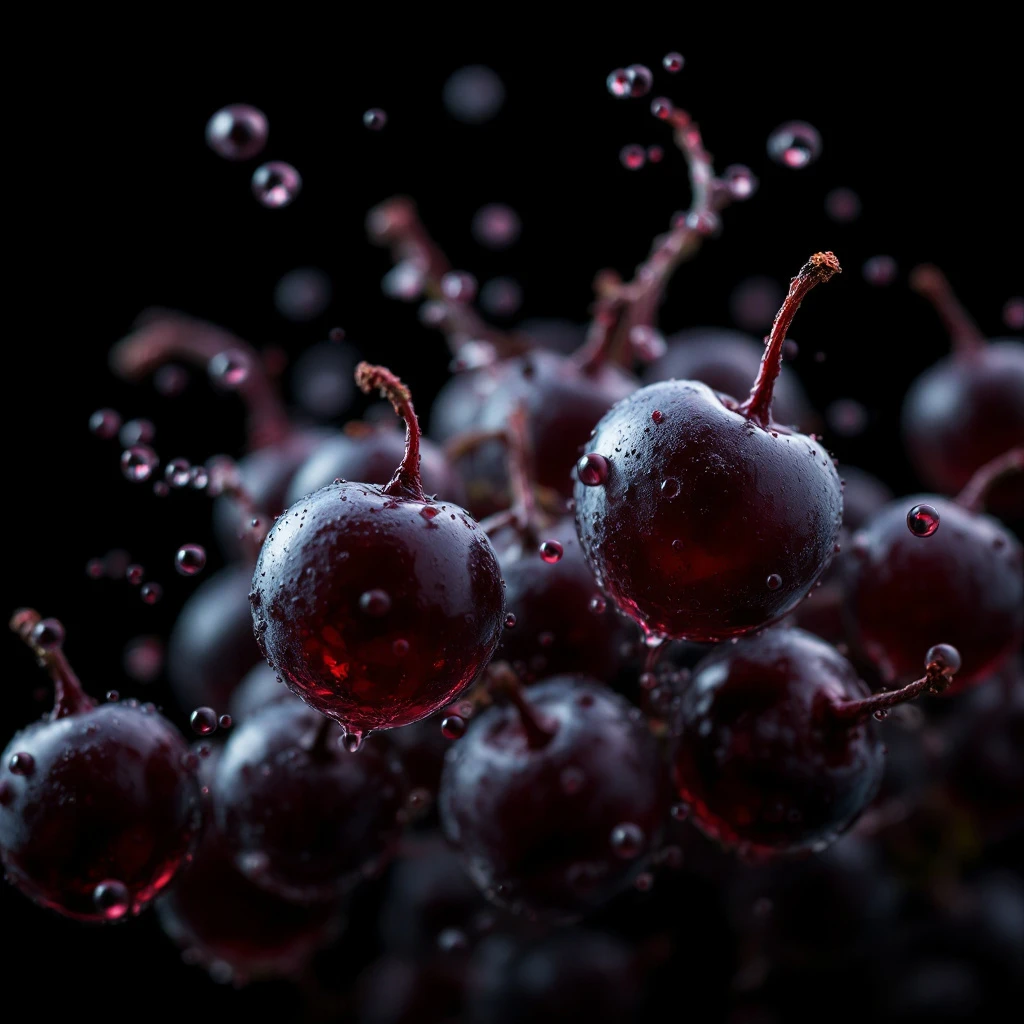
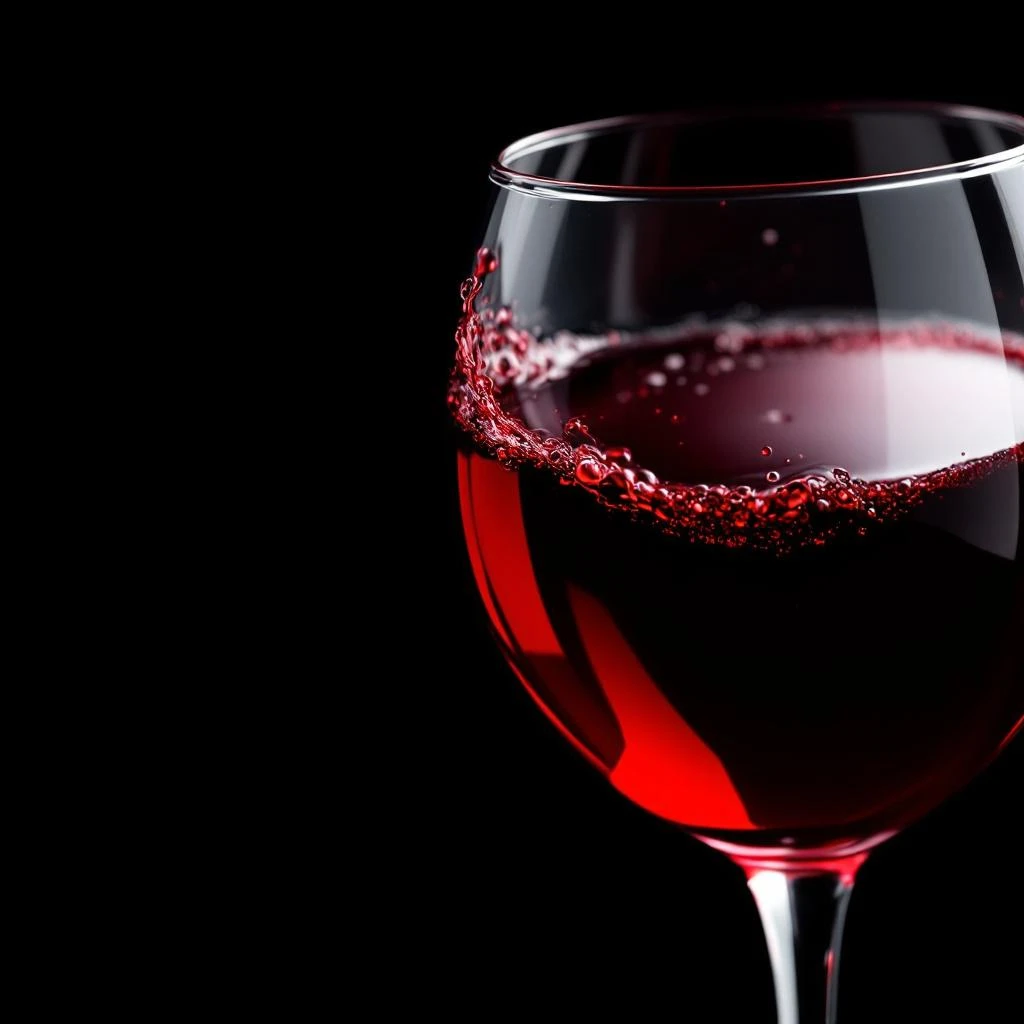
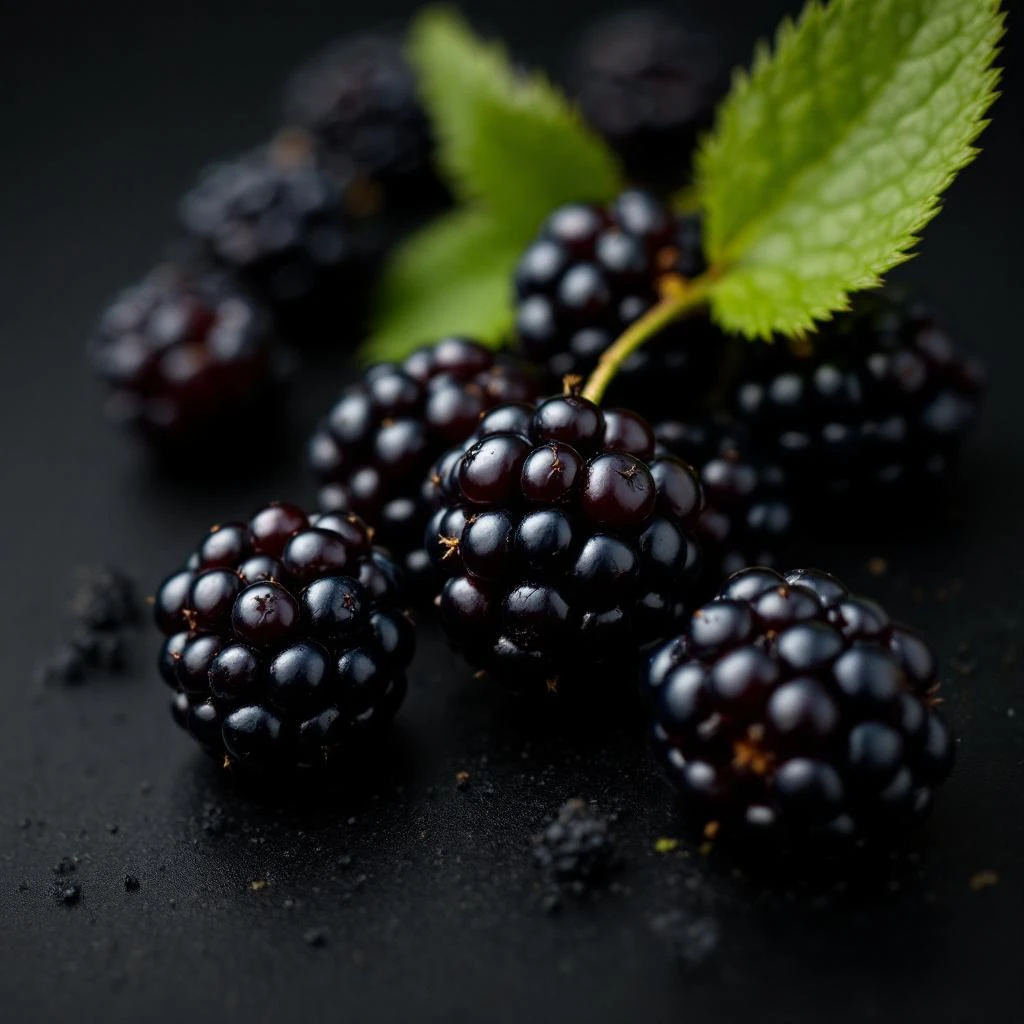
Merlot brings the velvety richness of one of wine's most beloved grapes into fragrance form. This note captures sun-warmed black plum, ripe cherry, and a subtle earthy undertone that evokes sunlit vineyard rows and deep ruby cellar depths.
Character
How it smells
Wine-dark elegance, captured.
The merlot grape takes its name from the merle, a blackbird drawn to its sweetness in Bordeaux vineyards since the 18th century.


Origin
France
The merlot grape traces its roots to 18th-century Bordeaux, where it likely descended from a cross between cabernet franc and magdeleine noire des charentes. Wine merchants first documented it by the 1780s, and it became a staple of Right Bank Bordeaux blends, prized for its supple texture and early-ripening nature.
While winemakers knew its sensory profile intimately, perfumers only began incorporating wine accords in the late 20th century, when analytical chemistry could finally isolate the specific compounds responsible for that unmistakable wine character. Today, Merlot inspires fragrance creators seeking to evoke cellar warmth, autumn harvests, or simply the sensuous pleasure of swirling a glass of deep red wine by firelight.
Wears it best
Fragrances featuring Merlot

Brands
Brands known for Merlot
Good to know
Questions, answered
The essentials on Merlot in perfumery: how it smells, where it comes from, and how it behaves on skin.
What does Merlot smell like in perfume?
Merlot in fragrance typically presents as jammy black fruit—plum, black cherry, and ripe blackberry—with a velvety, almost wine-like depth and subtle earthy undertones reminiscent of damp cellar oak.
Is Merlot a natural fragrance ingredient?
Merlot note is almost always synthetic or nature-identical. The key aroma compound, wine lactone, is lab-created to replicate the fermented grape character that natural extraction cannot reliably deliver.
What fragrance families use Merlot note?
Merlot accord appears primarily in oriental and gourmand fragrances. Its wine-like depth also makes it common in modern chypres and certain amber compositions seeking warmth and complexity.
Which fragrance families pair well with Merlot?
Merlot works well alongside oud, vanilla, and benzoin for opulent results. It also complements lighter pairings like rose absolute or fresh citrus when perfumers want to balance its richness.
How long does Merlot note last on skin?
As part of a synthetic accord, Merlot typically performs as a heart-to-base note, remaining detectable for four to eight hours depending on concentration and companion ingredients.
What gives Merlot its characteristic wine scent in fragrance?
Wine lactone is the primary compound creating that fermented, jammy grape character. Secondary esters add fruit brightness while aldehydes introduce the subtle wine-skin nuance familiar from actual Merlot.
Are there natural Merlot extracts for perfumery?
Natural Merlot extract exists but remains rare. Some specialty houses produce CO2-extracted grape marc extracts, though these offer limited aromatic intensity compared to lab-crafted wine accords.