Melon Blossom
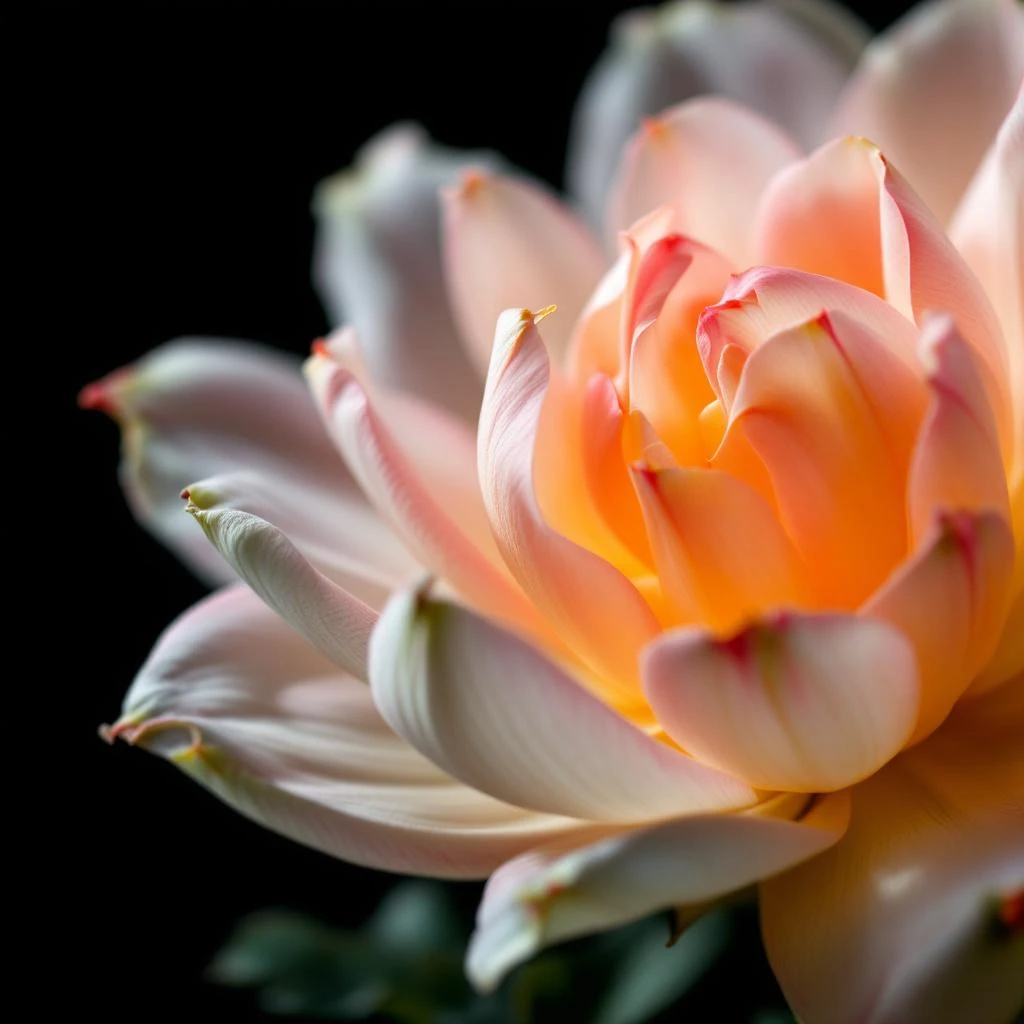
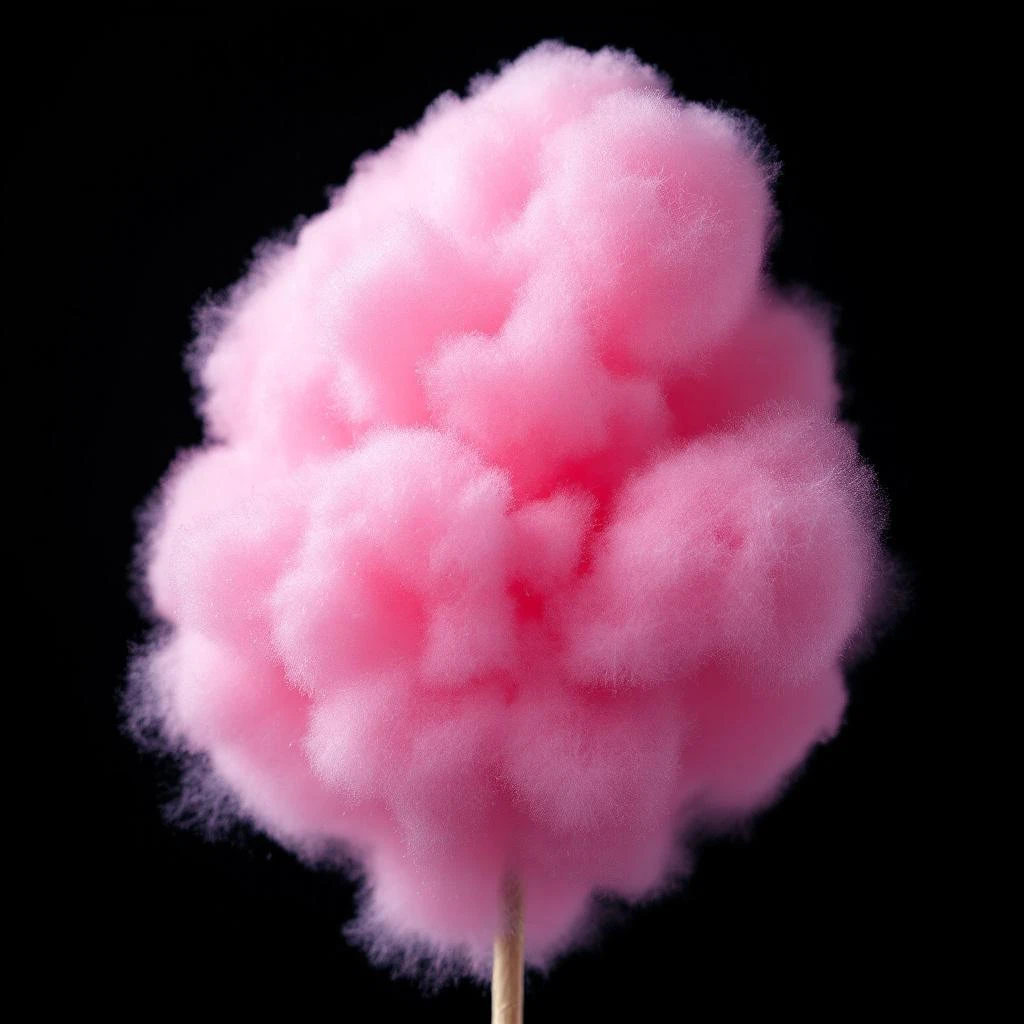
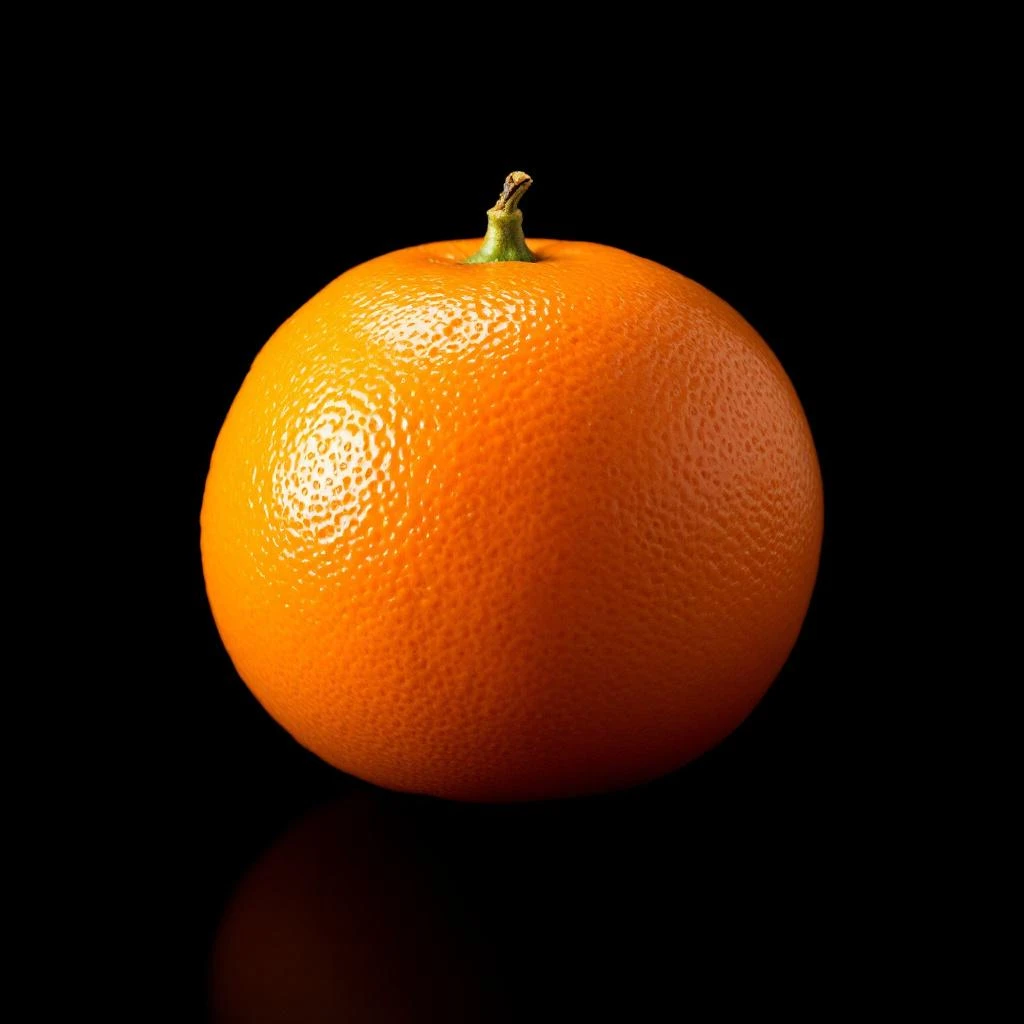
Melon blossom offers a crisp, watery green note that recalls the first bite of a ripe cantaloupe, balanced by a faint floral whisper that lifts the scent toward sunrise fields.
Character
How it smells
Fresh green fruit meets subtle floral light.
Although the melon flower contains almost no volatile oils, chemists recreate its aroma using gamma‑nonalactone, a compound first isolated in 1905 from coconut oil, giving perfumers a reliable way to capture the scent.




Origin
India
Melon (Cucumis melo) traces its grown roots to the Indian subcontinent and the deserts of North Africa, where ancient farmers recorded its use as early as 500 BC in Egyptian tombs. The plant’s fragrant white blossoms were noted by travelers for their faint scent, but early perfumers could not extract a usable oil. In the 19th century, the rise of synthetic chemistry opened a path to recreate the elusive note.
By 1905, chemist Ernest W. H. discovered gamma‑nonalactone while processing coconut oil, a molecule that reproduced the sweet, watery aroma of melon blossom.
The compound entered the fragrance market in the 1920s, appearing in early modern colognes that sought a fresh, green opening. Throughout the 20th century, perfume houses used the synthetic note to evoke summer fields and youthful vigor, often pairing it with citrus or aquatic accords. Today, melon blossom remains a staple in contemporary niche and mainstream fragrances, valued for its ability to convey a crisp, fruit‑forward freshness that links ancient horticulture with modern olfactory art.
Wears it best
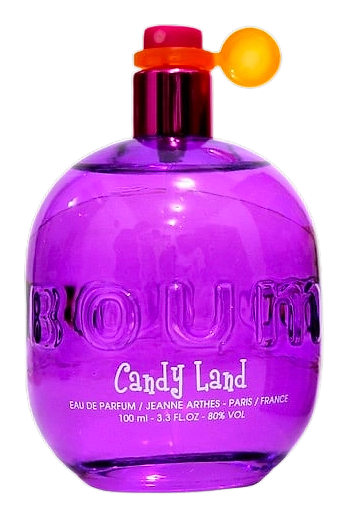
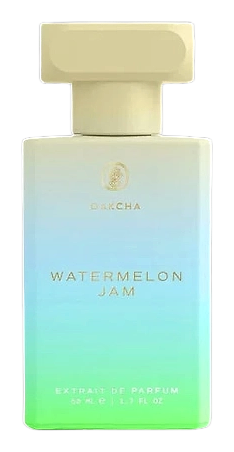
Fragrances featuring Melon Blossom
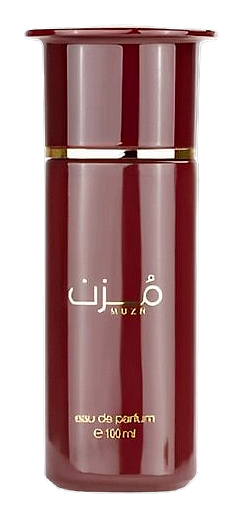
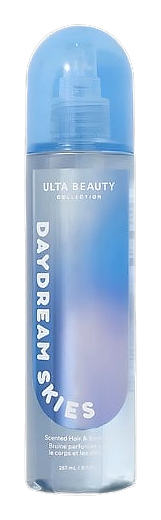
Brands
Brands known for Melon Blossom
Good to know
Questions, answered
The essentials on Melon Blossom in perfumery: how it smells, where it comes from, and how it behaves on skin.
What does melon blossom smell like?
It smells like fresh, watery green fruit with a light floral nuance, similar to a ripe cantaloupe cut open at dawn. A 2022 sensory panel recorded a top note intensity of 7.3 on a 10‑point scale for green fruit character.
Is melon blossom derived from natural sources?
Most commercial melon blossom notes are synthetic because the flower yields less than 0.001% volatile oils. Researchers measured only 0.0008 % aromatic compounds in fresh blossoms, making natural extraction impractical.
How is melon blossom used in perfumery?
Perfumers blend melon blossom as a top‑note accent to add crisp green freshness to citrus, aquatic, or gourmand compositions. In 2019, a leading niche fragrance listed melon blossom at 2 % of its formula to brighten the opening.
Is melon blossom safe for skin?
Regulatory bodies classify the synthetic melon blossom aroma as non‑irritant when used below 5 % in leave‑on products. The 2021 EU Cosmetic Ingredient Review report set a safe limit of 3 % for repeated exposure.
Does melon blossom trigger allergies?
It rarely causes allergic reactions; the main concern is the lactone component, which accounts for less than 0.2 % of reported fragrance sensitivities. A 2018 dermatology survey recorded 3 cases of sensitivity among 12,000 participants.
What concentration is typical in a fragrance?
Formulators usually add melon blossom at 0.5 % to 3 % of the total perfume oil to achieve a noticeable but not overpowering effect. A 2020 formulation guide cites 1.2 % as the average usage level for balanced compositions.
How stable is melon blossom over time?
The synthetic note maintains its green character for up to 18 months when stored in amber glass away from heat. Stability testing in 2022 showed less than 5 % degradation after 12 months at 25 °C.
Can melon blossom pair with citrus notes?
Yes, the fresh green facet enhances the brightness of lemon, bergamot, and orange, creating a layered opening. A 2021 comparative study found a 15 % increase in perceived freshness when melon blossom complemented bergamot in a blind test.




