Character
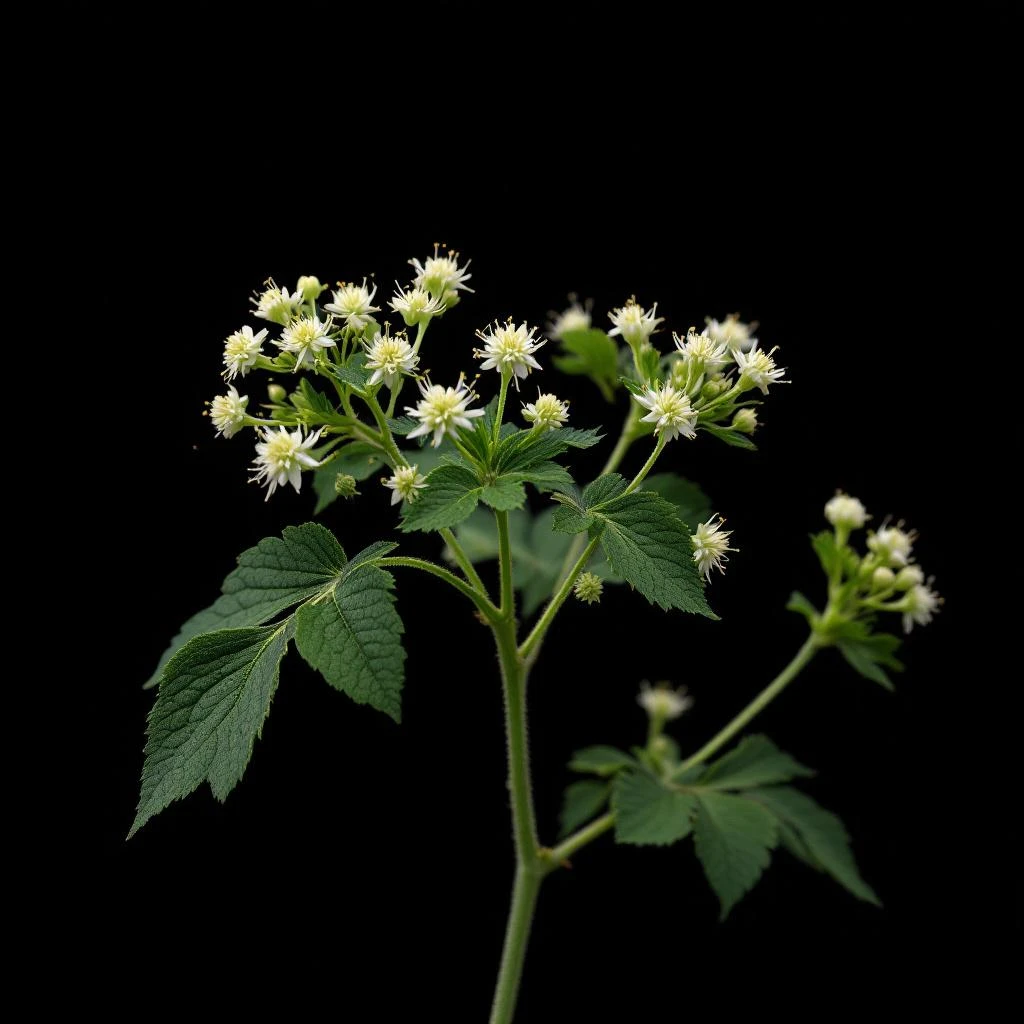
The Story of Melilot or Sweet Clover
Sweet clover, known as melilot, delivers a bright, hay‑sweet aroma rich in natural coumarin, adding a clean, slightly vanilla nuance to modern blends and often supports aromatic accords in fougère and fresh compositions.
Heritage
Sweet clover has been cultivated across Europe since the Middle Ages, primarily as a forage crop and soil improver. Its fragrant properties attracted early perfumers, who extracted a crude oil to add a sweet hay note to traditional herbal blends. In the late 19th century, melilot became a cornerstone of the emerging fougère family, providing the clean, vanilla‑tinged backbone that defined classics such as Houbigant’s Fougère Royale. Before the commercial synthesis of coumarin in the 1920s, melilot was the principal natural source of this molecule, and many iconic early 20th‑century fragrances listed “sweet clover absolute” among their top ten ingredients. The discovery of dicoumarol, a blood‑thinning agent derived from moldy melilot, shifted part of the plant’s reputation toward medicine, yet its aromatic legacy endured. Today, natural melilot remains prized by niche houses that seek authentic, coumarin‑rich accords, while synthetic coumarin supplies the bulk demand for mass‑market scents.
At a Glance
2
Feature this note
France
Primary source region
Ingredient Details
Solvent extraction
Dried flowering stems
Did You Know
"Sweet clover’s coumarin turns into dicoumarol when the plant spoils, a discovery that led to the first oral anticoagulant drug in the 1940s."
Pyramid Presence